Short on space, or stuck with poor soil? Container vegetable gardening lets you grow real food in pots: choose a big enough container with drainage, fill it with potting mix, and give it at least six hours of sun.
| Item | Value |
|---|---|
| Large vegetables (tomato, pepper, eggplant, cucumber, winter squash), one plant per pot | Minimum 8-10 gallons of growing media, 12-16 inches deep |
| Medium vegetables (beans, beets, carrots, summer squash, dwarf varieties) | Minimum 4-6 gallons of growing media, 8-12 inches deep |
| Small vegetables and herbs (radish, salad greens, spinach, basil, thyme) | Minimum 1-3 gallons of growing media, 4-6 inches deep |
| Potatoes | 30 gallons of potting mix |
| Light for most vegetables | Minimum of six hours of direct sunlight a day |
These figures come from University of Maryland Extension’s container guide, updated February 2023, and Washington State University Extension’s container gardening tip sheet. They can change, so check the source before you rely on them.
Why try container vegetable gardening?
Pots make sense when gardening space is limited, soil conditions are poor, or you want more control over growing conditions, as Washington State University Extension puts it. Plenty of gardeners with a full yard still grow certain crops this way.
Containers also let you place heat-loving crops such as tomatoes and peppers in full sun, or where they pick up reflected heat. According to the same WSU tip sheet, large pots use space efficiently and act as a heat reservoir against winter freezing and summer baking, while smaller pots are easier to move.
If you are new to growing food, our guide to vegetable gardening for beginners covers the wider basics beyond pots.
For a sense of the range, Iowa State University Extension’s container vegetable gardening publication, dated 2013, lists suggestions for 12 container garden vegetables, with more than 40 cultivars. They include carrots, cucumber, pepper, spinach and tomatoes, and the publication also covers container construction, planting density and summer care.
Choosing containers: size, material and drainage
Start with size, because the rule is to match container size to plant size, both the top growth and the root system. University of Maryland Extension warns that if you restrict root growth too much, your plants won’t grow well.
Its guide sorts crops into three groups by the room they need:
- Large vegetables, one plant per container: tomatoes, pepper, eggplant, cucumber and winter squash need a minimum of 8-10 gallons of growing media, with a depth of 12-16 inches (UMD Extension).
- Medium vegetables: dwarf pepper, eggplant and tomato, summer squash, cole crops, beans, beets, carrots and cabbage need a minimum of 4-6 gallons with a depth of 8-12 inches (UMD Extension).
- Small vegetables and herbs: basil, cilantro, thyme, radish, scallions, spinach, salad greens and peas need a minimum of 1-3 gallons, with a depth of 4-6 inches (UMD Extension).
Bigger crops need far more room: the same Maryland guide lists 30 gallons of potting mix for potatoes and 25 gallons for shrubs. Our page on container size for vegetables has more detail on matching pots to crops.
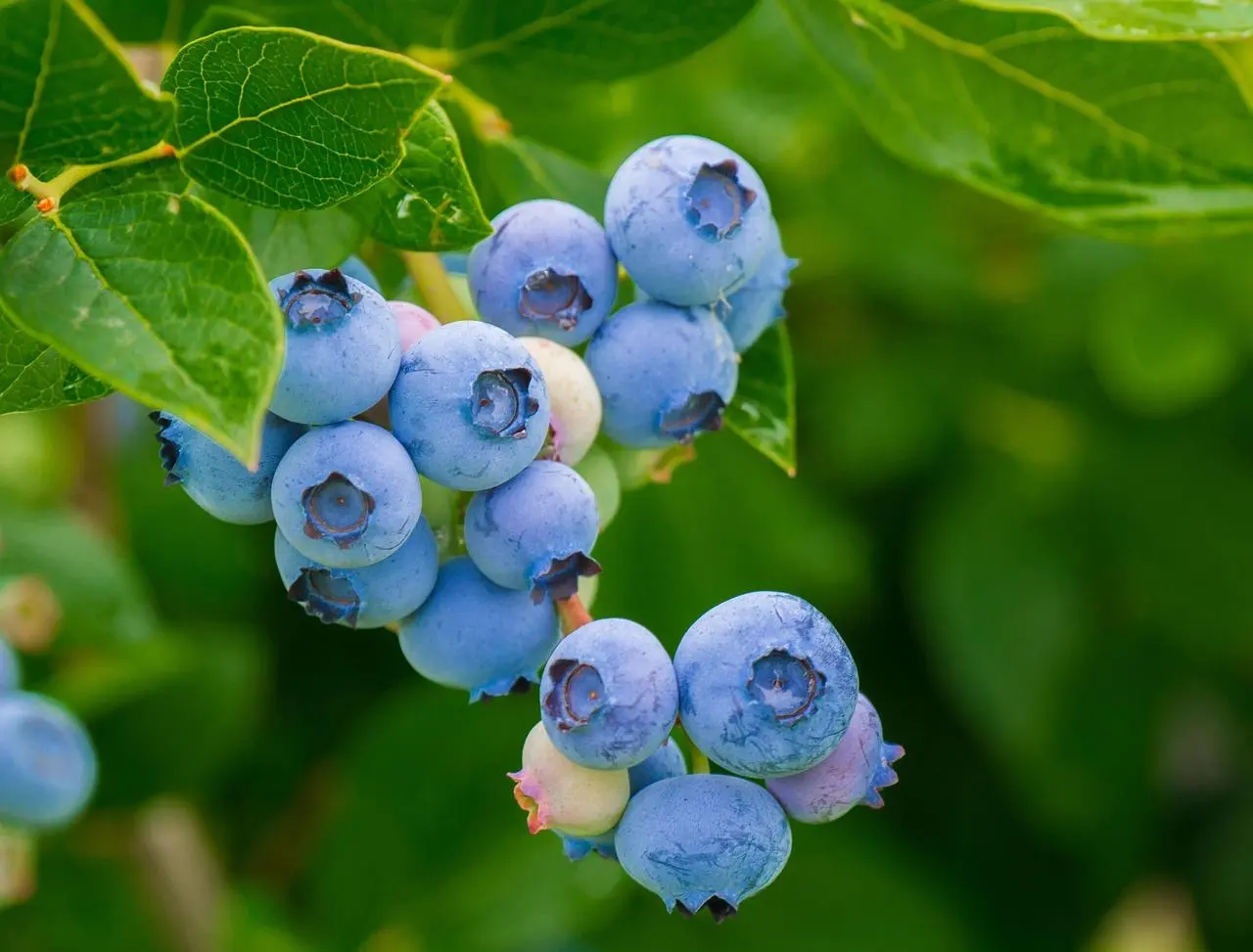
If fruit appeals more than vegetables, our page on growing blueberries in pots is a better starting point.
Material changes how fast a pot dries. Porous materials such as clay, ceramic, concrete and wood dry out more quickly than plastic or metal, and dark colors create higher temperatures that could injure young, tender roots, according to UMD Extension.
You have a wide choice of shapes. WSU Extension says almost any container with adequate drainage will work, from ceramic, terra cotta or plastic pots to wine barrels, cattle troughs and cedar boxes.
Drainage is not optional
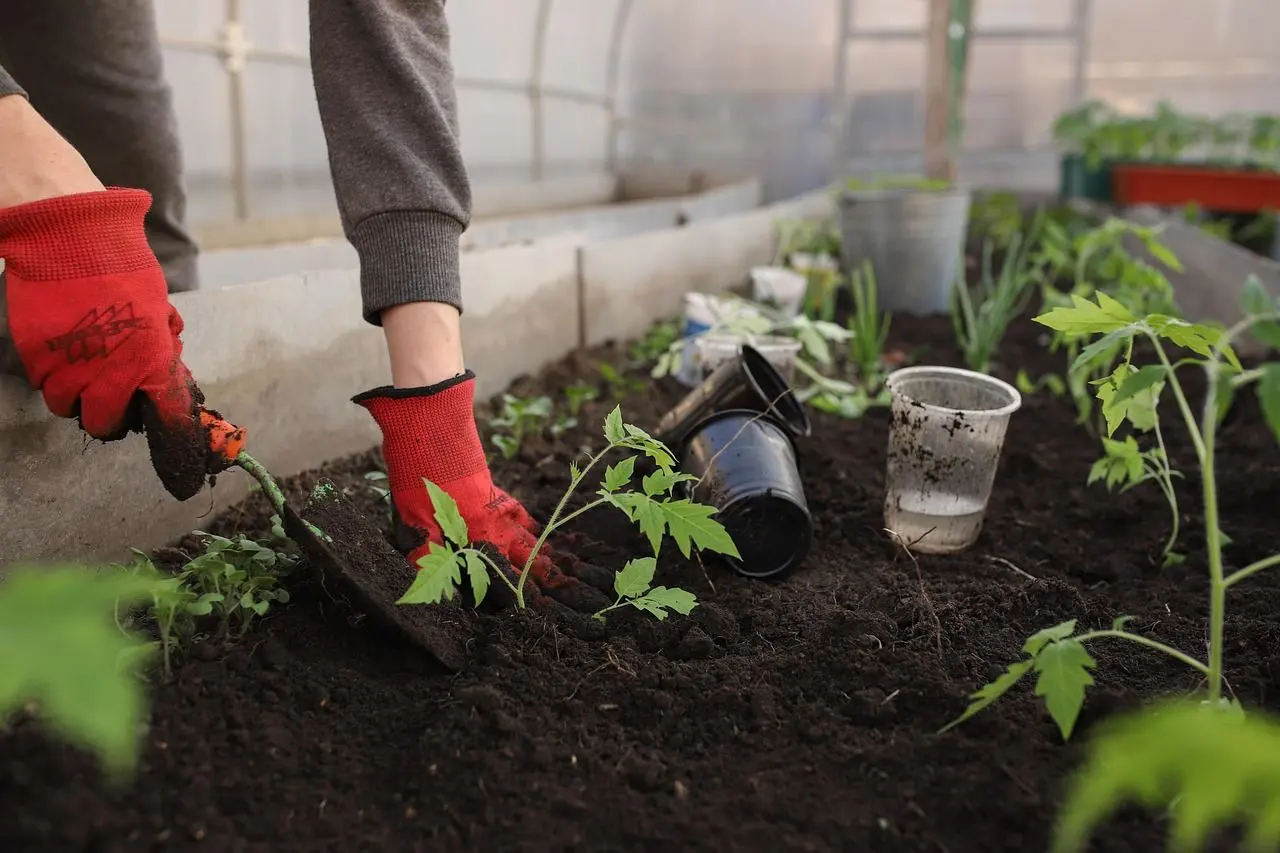
Drainage may mean the success or failure of your garden. Except for self-watering types, every container needs holes or slits in the bottom so extra water can drain out, which keeps roots from drowning and rotting. Draining also washes out excess fertilizer and salts (UMD Extension).
- Check store-bought pots for holes before planting, because most have them but not all.
- If a pot has no holes, try double potting: lift the plant out to water it, then set it back once it has finished draining.
- Empty saucers after watering so the pot never sits in standing water.
- Raise pots off the ground with potting feet or a brick.
Potting mix and feeding
Fill pots with a commercial potting mix, which WSU Extension describes as light, well draining, moisture holding, free of disease and widely available. Garden soil can bring in disease, insects and weed seeds, so leave it out of your pots.
Our page on potting mix for vegetables goes further into choosing a mix.
Potting mix is loose but compacts when watered, so push it down gently as you fill, especially around the edges. Once settled, it should sit about an inch or so below the rim to leave room for watering, and Illinois Extension likewise says not to fill to the brim.
Texture can be tuned. Extra perlite improves aeration and drainage, while extra vermiculite improves aeration and also water retention, per WSU Extension.
Soilless mixes are generally low in nutrients, so fertilizer needs adding, following the application guidance on the package. Some mixes contain none at all, according to Illinois Extension. Always follow the product label and your local extension guidance for the kind and amount.
Nutrients do not stay put in a pot: they are flushed out each time you water. Slow-release products are less likely to burn plants from over-application, and WSU Extension notes that organic fertilizers release slowly, so they reach your crop less quickly than synthetic ones.
If you also grow in the ground, our guide on how to build healthy garden soil covers that side of the job.
Choosing crops and planting them
Match crops to your light
The basic rule is to grow what you like to eat and what your growing conditions allow. Because you control the soil, WSU Extension points out that light is the most limiting factor.
- Fruiting crops such as tomatoes and peppers will not thrive at all in a shady spot.
- Leafy vegetables (lettuce, spinach, chard and other greens) tolerate more shade than root crops such as beets, carrots and potatoes.
- Illinois Extension defines full sun as at least six hours of sunlight and partial shade as four to six hours (Illinois Extension).
Our list of the best vegetables to grow in pots is a sensible place to start choosing crops.
Planting step by step
Illinois Extension advises planting seeds or transplants in containers at the same time and in the same way as in a garden, following the seed packet. Its sequence works well as a checklist:
- Select the varieties you want and get the seeds or transplants.
- Pick a container that suits the crop.
- Fill it with potting mix, but not to the brim.
- Water until water drips from the hole in the bottom.
- Sow seeds at the depth and number per pot the packet suggests, or set transplants with their roots spread and the mix firmed around them.
- Water straight after planting.
- Move the pot to the spot that meets the crop’s light needs.
Supports, spacing and a longer harvest
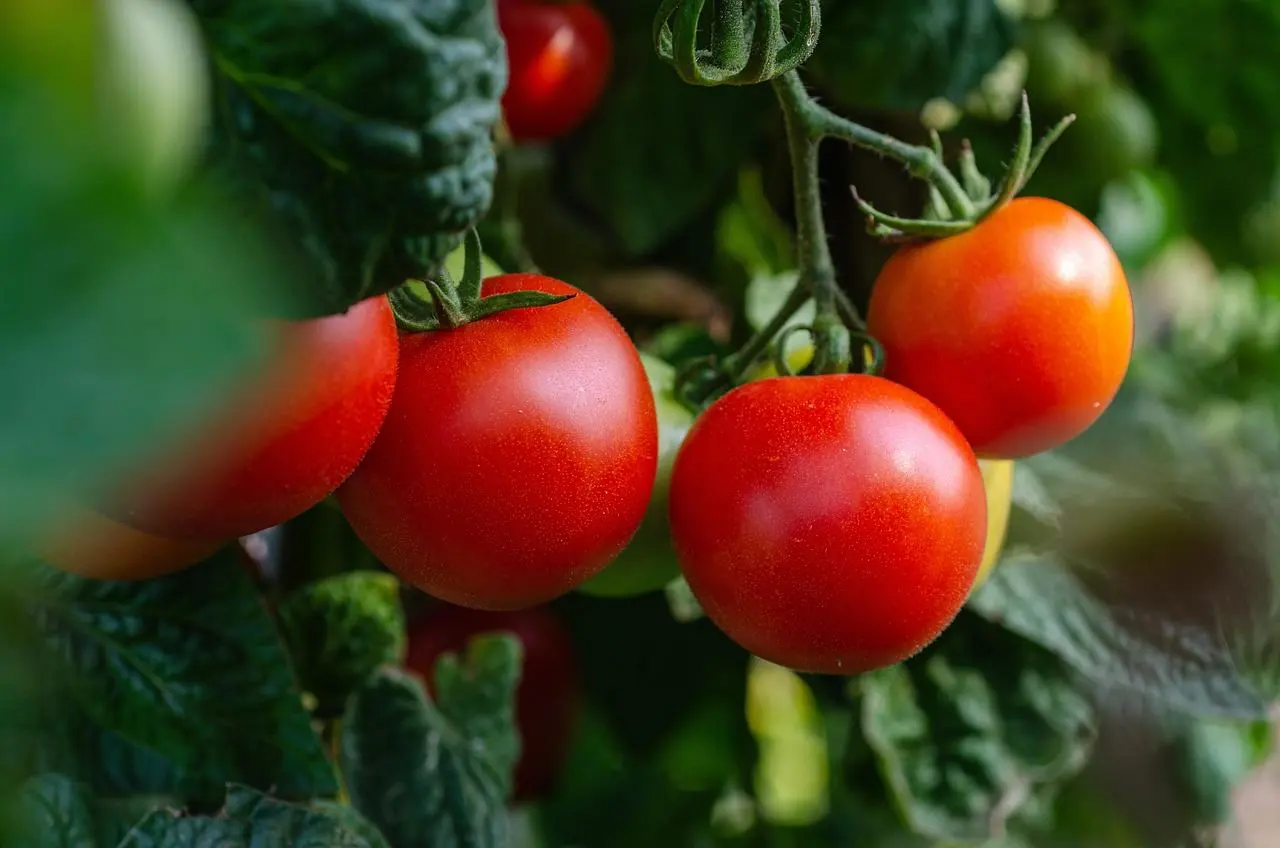
For tomatoes and other tall crops, staking works best if the stake goes into the container before the mix does. Begin tying the plant to the stake with thin strips of fabric or sisal twine once it is about 12 inches tall, and prune unwanted shoots (suckers) so leaves get full sunlight, as Illinois Extension describes. A wire cage that fits the pot is the alternative, anchored right after transplanting.
For variety choices and more, see our guide to growing tomatoes in containers.
To get the most food from a small space, grow crops you can harvest continually, such as chard, spinach and kale. WSU Extension adds that you can prolong the harvest by sowing leaf crops very thickly and thinning them for salad greens.
Quick-maturing leafy greens also suit succession planting. Plant part of the pot, then make a second planting in the vacant space after one or two weeks, as Illinois Extension suggests.
Closer spacing raises the total harvest at the cost of slightly smaller individual plants, per WSU Extension. That trade-off is worth knowing before you crowd a pot.
Watering and care through the season
Watering is where many pot gardens struggle: overwatering and underwatering are the most common problems, says WSU Extension. The water in a container is the only water the plants can get, because roots cannot go deeper to find more.
Large plants drink a lot on warm summer days and must be watered often. Illinois Extension simply says to ensure plants get adequate moisture throughout the growing season (source). Our guide on how to water container plants goes deeper on routines.
Large pots can be heavy to shift. Illinois Extension suggests roller platforms for moving big containers around a backyard, and WSU Extension says smaller pots suit warm-season crops you want to start inside or shelter occasionally.
If your space is a balcony, our balcony vegetable garden guide applies the same principles to a smaller footprint.
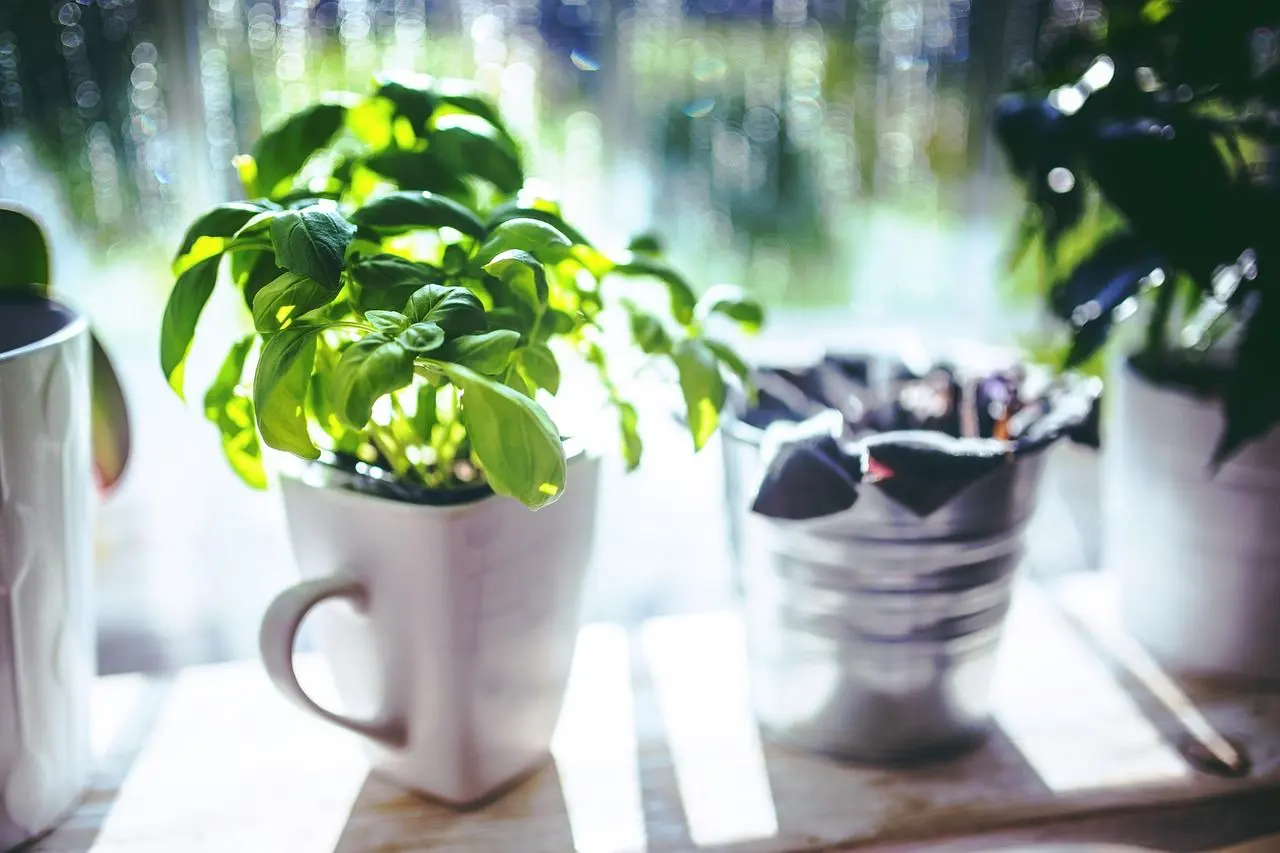
Indoors, small herbs fit the smallest pot group, at a minimum of 1-3 gallons for basil, cilantro, thyme and mint, according to UMD Extension. Our page on growing herbs on a windowsill covers the indoor side.
Frequently asked questions
Can I fill pots with soil from my garden?
Show answer
Garden soil is a poor match for a pot. WSU Extension explains that its very fine texture stops adequate drainage in the shallow space of a pot, so roots get too little air and plants may fail. A commercial potting mix is the safer choice.
Should I put gravel in the bottom of the pot?
Show answer
No. University of Maryland Extension says rocks, gravel or broken pot shards will not improve drainage and may raise the water table, which can cause drainage issues. WSU Extension likewise does not recommend a coarse layer, since it may inhibit drainage.
Can I reuse potting mix next year?
Show answer
At the end of the growing season, Illinois Extension says you can amend the mix or throw it out and start with fresh. If you amend it, follow the product label and local extension guidance.
Do seedlings started indoors need hardening?
Show answer
Yes. WSU Extension warns that unconditioned plants can suffer permanent damage from cold and wind. Set them in a protected area by day and bring them in at night for several days, and holding back fertilizer and water beforehand can also help.
Can I grow in buckets or other recycled containers?
Show answer
Often you can. UMD Extension names buckets, wooden crates, nursery pots and kids’ wading pools as options, as long as they drain. It adds that plastics not made for outdoor use can turn brittle in the weather.