Worried your tomatoes will sulk in a pot that’s too small? According to University of Maryland Extension, container size for vegetables starts at 1-3 gallons for small crops, 4-6 gallons for medium and 8-10 gallons for large ones.
For setup, light and care beyond pot size, read the guide to container vegetable gardening.
| Item | Value |
|---|---|
| Large vegetables (tomato, pepper, eggplant, cucumber, winter squash) | Minimum 8-10 gallons of growing media, 12-16 inches deep |
| Medium vegetables (dwarf varieties, summer squash, beans, beets, cabbage) | Minimum 4-6 gallons of growing media, 8-12 inches deep |
| Small vegetables (salad greens, radish, spinach, small herbs) | Minimum 1-3 gallons of growing media, 4-6 inches deep |
| Potatoes | 30 gallons of potting mix |
| Soil depth that suits almost every vegetable and herb | At least 8 inches |
Figures come from University of Maryland Extension’s container guidance and Harvest to Table’s pot size list. They can change, so check the sources before you rely on them.
Why container size for vegetables matters
The University of Maryland Extension tells gardeners to match container size to plant size, covering both the top growth and the root system. Its advice is not to squeeze large plants into small containers, because plants whose roots are restricted too much won’t grow well, as described in its container guidance.
The same page suggests you consider both depth and total volume when you compare pots, rather than looking at only one of the two.
Harvest to Table adds a stability point: a pot should be large enough that the height and weight of the plant’s above-ground growth do not tip it over. It also says a soil depth of at least 8 inches suits almost every vegetable and herb, though smaller containers may need more frequent watering and fertilizing, in its container size list.
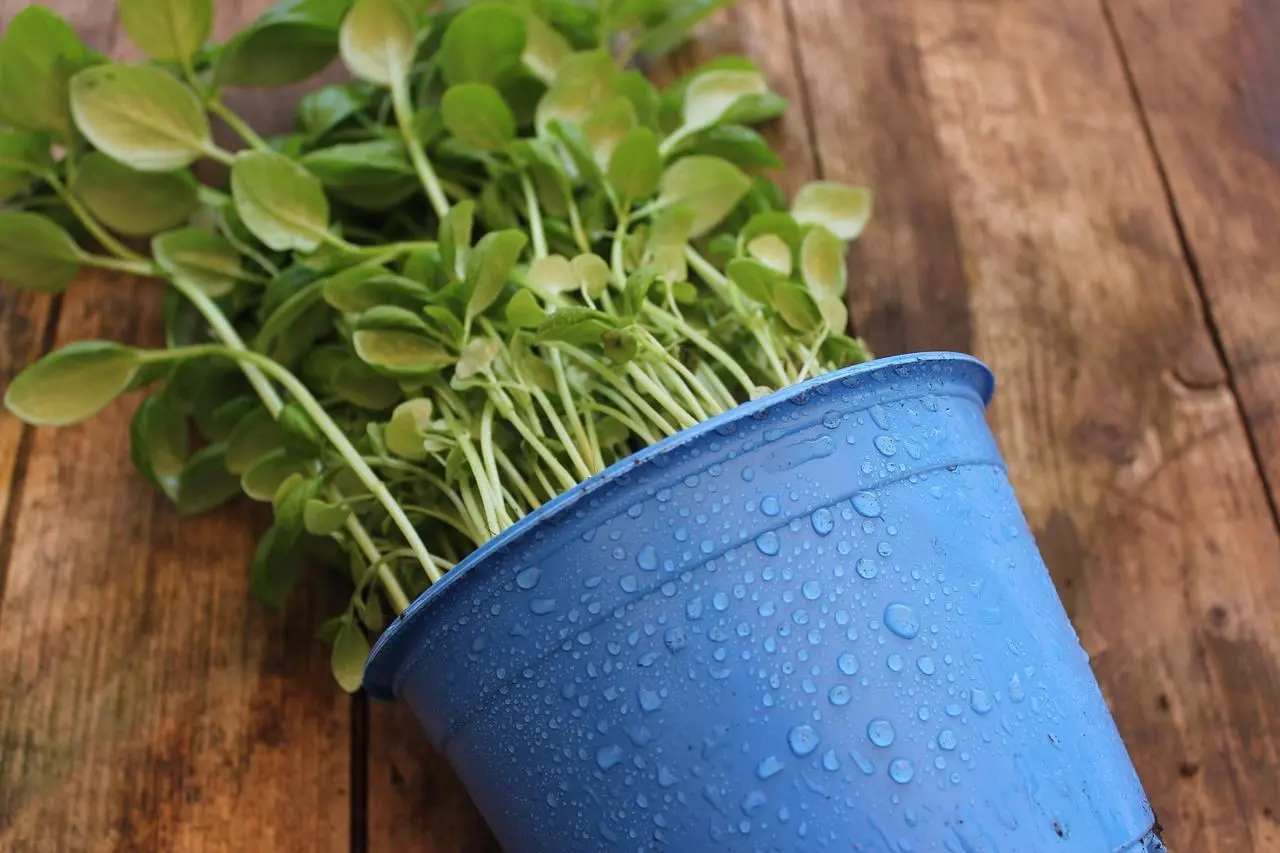
Three size tiers for small, medium and large crops
In the University of Maryland Extension sizing guide, large vegetables get one plant per container, with a minimum of 8-10 gallons of growing media and a depth of 12-16 inches. Medium crops start at 4-6 gallons and 8-12 inches deep, while small crops start at 1-3 gallons and 4-6 inches deep.
The guide gives these examples for each tier:
- Large: tomatoes, pepper, eggplant, cucumber and winter squash.
- Medium: dwarf varieties of pepper, eggplant and tomato, plus summer squash, cole crops, beans, beets, chard, carrots, cabbage and larger herbs such as rosemary, parsley, lavender and fennel.
- Small: herbs such as basil, cilantro, thyme and mint, plus radish, scallions, spinach, salad greens, Asian greens and peas.
Potatoes are the outlier: the extension page lists 30 gallons of potting mix for them and a depth of 8 inches for strawberries. Harvest to Table gives lower figures, at four or five seed pieces in a 5-gallon container and a floor of 12 inches wide and 12 inches deep. Because the two sources differ, treat the larger figure as the roomier choice.
Crop-by-crop pot sizes worth knowing
Tiers are a good starting point, but individual crops vary. These entries show how much the suggested pot changes from one vegetable to the next.
| Crop | Suggested container |
|---|---|
| Eggplant | One plant per 5-gallon container |
| Peppers | One large bell pepper in a 3-gallon container or larger |
| Cucumbers | One compact type in a 5-gallon container |
| Kale | One plant in a 1-gallon container, or two plants in a 5-gallon container |
| Okra | One plant in a 10-gallon container or larger |
| Carrots | Varieties that mature 7-12 inches long use 10-gallon containers |
| Leeks | A container at least 14 inches deep |
| Arugula | At least 8-inch pots |
These suggestions come from Harvest to Table’s container size list, so check them against your own variety and local extension advice.
For root crops, depth is the limit: the same list warns that a carrot whose root tip touches the bottom of the pot will not develop to maturity. It also notes that smaller chili plants will grow in less space than a bell pepper.
Weight, stability and where to put the pot
A full pot is heavier than it looks. University of Maryland Extension says a 20-inch diameter container filled with moist potting mix and plants can weigh 100 pounds, and that plant caddies (wheeled low platforms) can make heavy containers more portable.
Tall plants in small, lightweight containers can blow over or topple unless they are well anchored, according to the same extension resource. That is one more reason to size up rather than down.
Pick the spot before you fill the pot. Warm-season crops such as tomato, pepper, eggplant and squash need 6 to 8 hours of direct sun, while cool-season lettuce, spinach and Asian greens need 3 to 5 hours, per the extension’s location advice.
If you are still deciding what to grow, the guide to best vegetables to grow in pots helps narrow the choice.
Drainage, colour and material
Every container needs adequate holes or slits to drain excess water, which keeps roots from drowning and rotting, says University of Maryland Extension. Empty any saucer regularly so the collected water doesn’t encourage root rot or become a mosquito breeding site.
Porous materials such as clay, ceramic, concrete and wood dry out more quickly than plastic or metal, so a small clay pot may need watering more often than a plastic one, as the extension guidance explains. Dark colors can also create higher temperatures that could injure young, tender roots.
Buckets and tubs can work as pots, but plastic containers not made for outdoor use can become brittle in the weather. The same resource advises avoiding any container that previously held detergents, paint, adhesives or chemicals.
Whatever pot you choose, it only performs as well as what goes in it, so pair it with a suitable potting mix for vegetables.
A quick way to choose a pot
- Decide whether your crop is small, medium or large, and note the gallon and depth range for that tier.
- Check the crop-by-crop list for your exact vegetable or variety, since compact types often need less room.
- Think about weight: choose a spot first, and add a wheeled caddy if you will need to move the pot.
- Confirm the pot has drainage holes, or plan for double potting with a removable inner pot.
- When two sources disagree, go with the larger pot.
Frequently asked questions
Can I grow a standard tomato in a bucket?
Show answer
A common 5-gallon bucket falls short of the large-vegetable range in the University of Maryland Extension tiers, which include tomatoes. Dwarf varieties are listed under the medium tier instead, so they are the better match for a smaller bucket.
Does depth matter more than volume?
Show answer
Neither one alone gives you the answer. The extension tiers pair a gallon range with a depth range, so a tall narrow pot and a wide shallow one can hold the same soil yet suit different crops, per the same guidance.
Is it a good idea to put gravel in the bottom for drainage?
Show answer
No. Rocks, gravel or broken pot shards in the bottom of a container will not improve drainage, and they can raise the water table so the mix becomes waterlogged, according to University of Maryland Extension.
Can I plant several vegetables in one pot?
Show answer
Sometimes, if the pot is big enough for the plant count. Harvest to Table lists chard at one plant in a 2-gallon container, or five plants in a 10-gallon container, so the number of plants scales with pot size.