Short on space but keen to eat something you grew? The best vegetables to grow in pots are leafy greens, radishes, bush beans, tomatoes and peppers, as long as the pot matches the roots.
This guide sits within the wider topic of container vegetable gardening, and it sorts crops by how much pot they need.
| Item | Value |
|---|---|
| Leafy greens: container depth | 6-8 inches deep |
| Carrots: container depth | 1.5 times deeper than the mature root length |
| Cucumbers and squash: container size | at least 3 gallons |
| Potatoes: container depth | 12 inches deep at a minimum |
| General pot size for larger crops | at least 12 inches tall and deep |
| Sunlight for most vegetables | 6 to 8 hours of full sun per day |
These figures come from NC State Extension’s Onslow County page and Garden Design. They can change, so check the source before you rely on them.
Leafy greens, carrots and radishes
Leafy greens are the most forgiving crop in a planter. NC State Extension suggests a wide, shallow container 6-8 inches deep, or a 5-gallon window box, for lettuce, spinach, kale and chard.
Loose-leaf and romaine types suit pots better than tight heads, according to the Farmers’ Almanac. They need less growing space than head or stalk lettuces.
Harvest by taking the outer leaves only. The extension page says to remove up to 1/3 of the leaves at a time, or to cut plants that are 4-6 inches tall down to 1 inch above the soil. Replant every 2-3 weeks for a steady supply.
Carrots and radishes need depth more than width. The extension’s rule is a container 1.5 times deeper than the mature root, so a carrot that will be 8 inches long needs a pot 12 inches deep (source).
Dwarf carrots such as ‘Thumbelina’ are a handy shortcut, and root crops should be spaced 2-4 inches apart depending on the variety, as NC State Extension explains. Crowded roots stay thin.
Tomatoes, peppers and eggplant
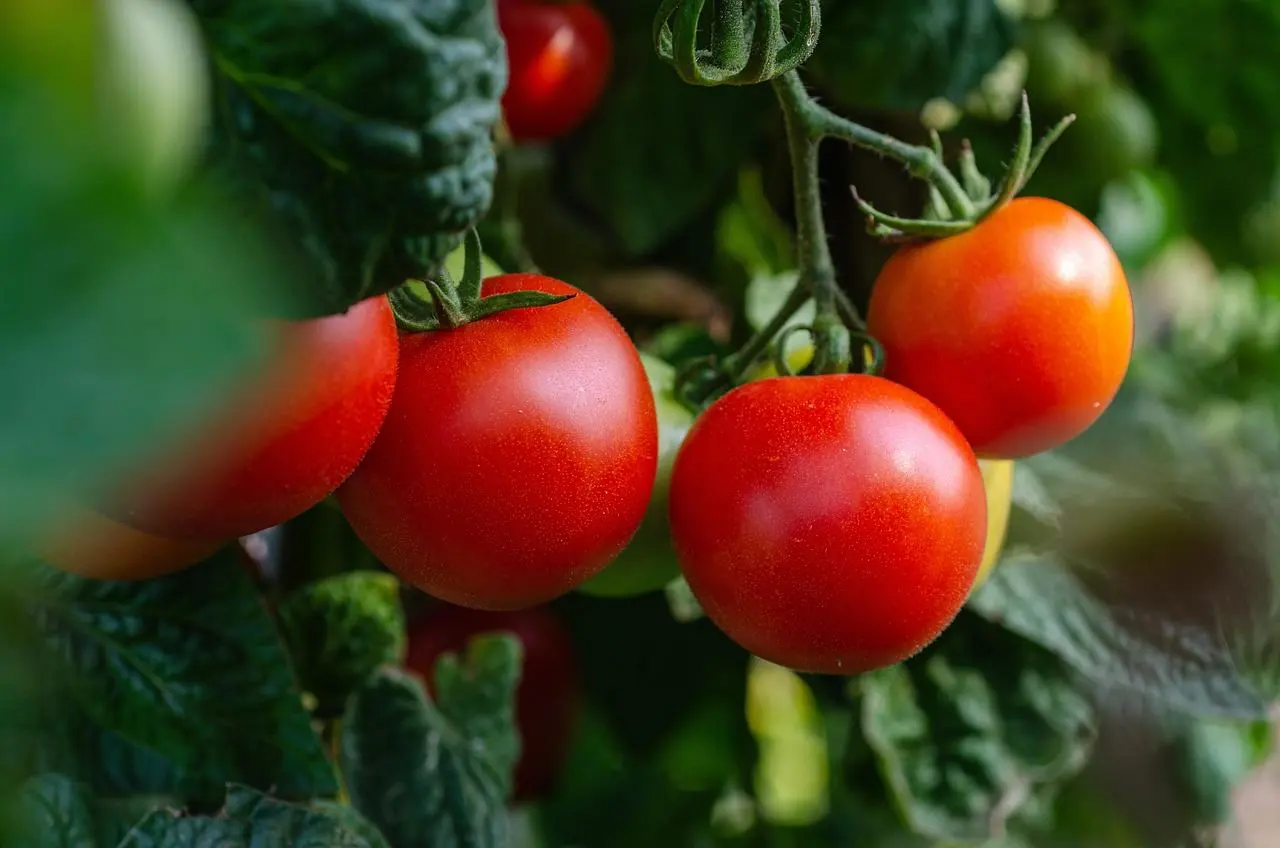
These three fruiting crops grow well in containers, but they reward steady watering. NC State Extension links consistent water to fewer cases of blossom end rot on tomatoes and peppers.
For tomatoes, choose cherry or grape types and varieties sold as patio or dwarf plants. The Farmers’ Almanac names Small Fry and Tiny Tim among those well suited to pots, and Garden Design advises giving them a trellis or cage on planting day.
Peppers and eggplant are usually bought as young plants. Garden Design notes that slower crops such as tomatoes, peppers and eggplant are best grown from nursery starts, and that peppers often do better in containers than in the ground.
Pot size is where advice varies a little. Garden Design recommends containers at least 12 inches tall and deep, such as 5-gallon size or larger (source). Large pots also dry out less quickly.
Beans, peas, cucumbers and squash
Beans and peas are quick and easy to start from seed. NC State Extension says to sow them in long containers at least 6-8 inches deep and to look for bush or dwarf varieties.
Harvest often. The same page advises picking every 1-2 days to maintain productivity.
Cucumbers, yellow squash and zucchini need more room, with containers at least 3 gallons in size. You can plant 3 plants or a hill in a 15 gallon container or larger, and bush varieties are the better pick than vining ones where available (source).
Expect some pest pressure. The same extension page calls squash bugs and squash vine borers a challenge, so look under leaves regularly. If you use any spray, follow the product label and local extension guidance.
Which crops are harder in pots?
Some crops can work in containers, but they ask for more pot, more patience or more pest control. Treat these as second-round projects:
- Cabbage family: allow 1 plant in a 5-gallon pot or 3 plants in a 15-gallon tub, according to NC State Extension.
- Potatoes: large, deep containers, 12 inches deep at a minimum, with 18-24 inches deep even better (NC State Extension).
- Sweet potatoes: large containers such as 25-gallon containers or half wine casks, per NC State Extension.
Caterpillars are a big challenge for the cabbage family, and the extension suggests covering plants with floating row covers. Check the product label and local extension advice before you use any spray (source).
How do you match pot, soil and sun?
Light comes first. Most vegetables need at least 6 to 8 hours of full sun per day, according to Garden Design.
For a crop-by-crop breakdown of pot depth and volume, see this guide to container size for vegetables.
Material changes your watering routine. Garden Design advises avoiding terra cotta or clay pots, which dry out quickly, and also dark metal or dark plastic containers, which can overheat roots (source).
As a general rule, water 2 to 3 times a week in summer and daily during hot spells, and water when the soil feels dry an inch or two down (Garden Design).
Fill pots with potting mix, not garden topsoil, which can compact and lead to poor drainage and root rot. The Farmers’ Almanac adds that every container needs several drain holes along the bottom edge.
Frequent watering flushes nutrients out of pots, so feeding matters. Follow the product label and local extension guidance for any fertiliser (Garden Design).
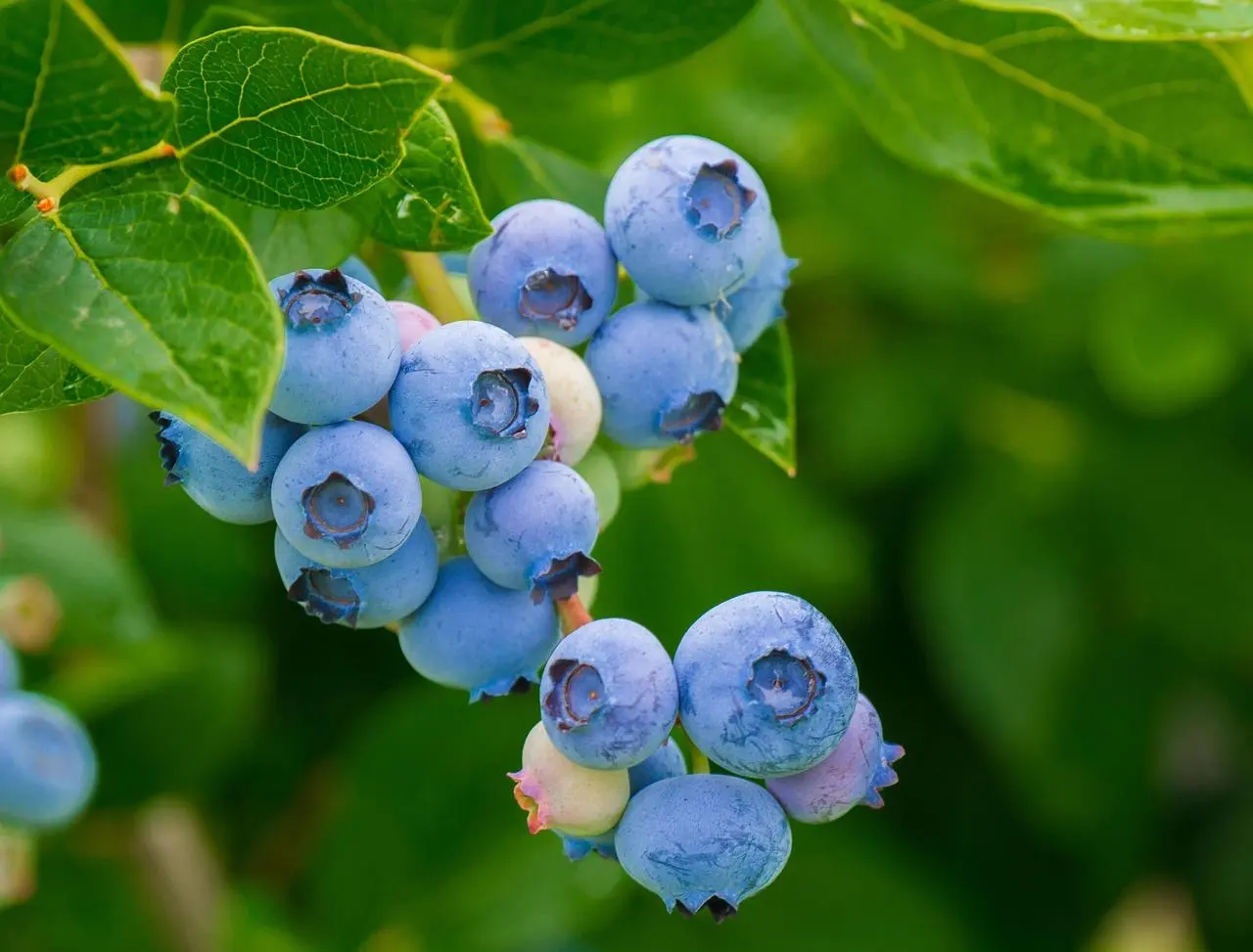
If you want fruit alongside your vegetables, see this guide to growing blueberries in pots.
Choosing your first crops
- Note how much direct sun your balcony, patio or step actually gets.
- Write a short list of vegetables you are most likely to eat, as Garden Design suggests.
- Scan plant labels for words such as dwarf, compact, patio, bush or space saver, which point to smaller varieties.
- Match each crop to a pot deep enough for its roots.
- Sow quick growers such as lettuce, bush beans and peas from seed, and buy slower crops as plants.
Frequently asked questions
Can you use self-watering containers for vegetables?
Show answer
Yes. Garden Design reports that vegetables also perform well in self-watering containers, and the main job is keeping the reservoir full.
Which vegetables need a trellis?
Show answer
Climbers do. NC State Extension recommends a trellis for cucumber vines and for peas and beans if needed, and Garden Design says pole beans should get one at planting time.
Can you grow vegetables on a windowsill?
Show answer
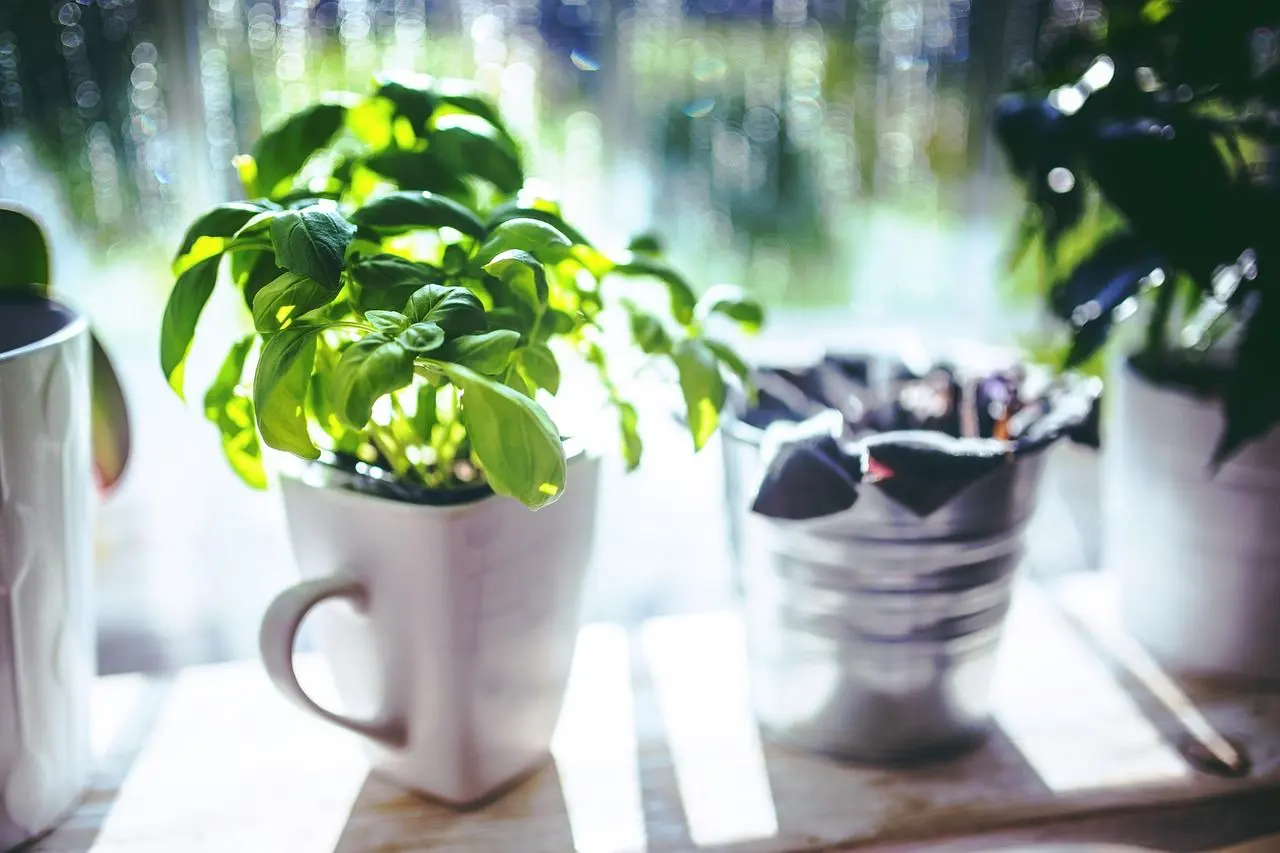
Yes, for small crops. The Farmers’ Almanac lists windowsills, patios, balconies and doorsteps as workable spots, and says containers about four to six inches deep will grow lettuce, spinach and herbs.
What can you grow on a shadier balcony?
Show answer
Leafy greens are the safest bet. NC State Extension says they tolerate, and even benefit from, extra shade in the hot months, so save your brightest spot for fruiting crops.