Wondering how to build healthy garden soil without guesswork? Add organic matter such as compost every year, cover bare ground with mulch, and test before you amend. Soil improves gradually, so steady habits beat one big fix.
| Item | Value |
|---|---|
| Organic matter in an ideal soil | About 5% organic matter |
| Pore space in an ideal soil | 20-30% water and 20-30% air |
| Organic matter to work in each year | 1-2 inches |
| Depth to incorporate amendments | Top 6 to 8 inches of soil |
| Spots to sample for one soil test | 10-15 locations |
These figures come from Iowa State University Extension’s guide to managing garden soil and Utah State University Extension’s page on preparing and improving garden soil. Extension guidance gets revised and local conditions differ, so check the sources before you rely on the numbers.
What makes soil healthy?
Healthy soil does more than hold a plant upright. Oregon State University Extension says a productive soil provides physical support, water, air and nutrients to plants and soil-dwelling organisms. It also notes that many problems blamed on pests, diseases or missing nutrients are really caused by poor soil physical conditions.
That is useful, because poor structure shows itself in ways you can spot. The same Oregon State guide lists these symptoms:
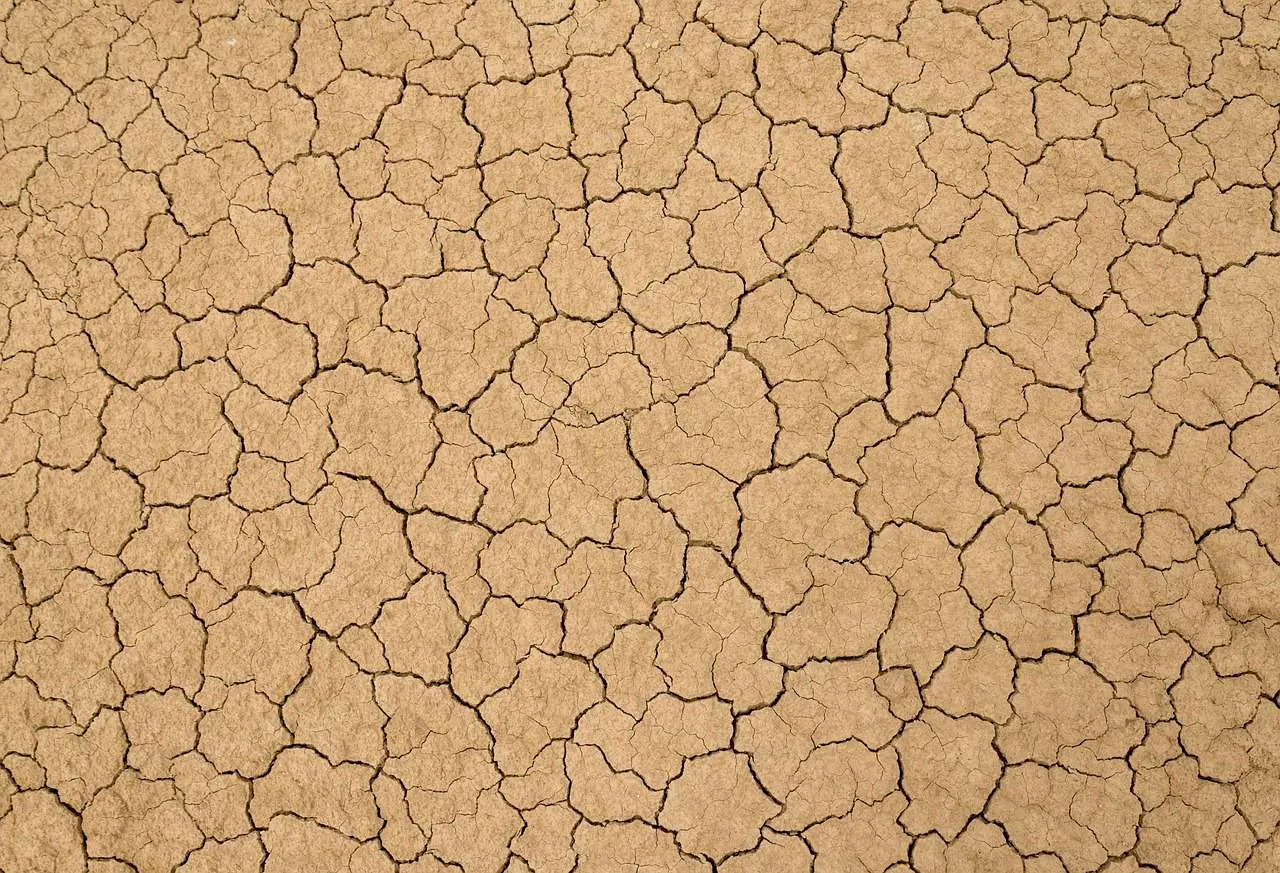
- Soil that is dried and cracked in summer.
- Soil that is hard to dig, whether it is wet or dry.
- Water that pools on the surface and drains slowly, or runs off.
- Blossom-end rot on tomatoes and peppers, even when they are fertilised with calcium.
A good soil is not solid. According to Oregon State’s guide, between 40% and 60% of the soil volume is pores, and those pores hold the water and air that roots and soil organisms need to breathe.
Iowa State describes the ideal as roughly half solids and half pore space. In its breakdown, an ideal soil is about 45% minerals and about 5% organic matter, with 20-30% water and 20-30% air filling the gaps, as laid out in its garden soil guide.
Texture matters too. Oregon State explains that soils high in sand drain fast and need frequent watering, while soils high in clay can store a great deal of water but plant roots cannot extract much of it, as covered in its soil organic matter publication. If you are starting from scratch, the guide to vegetable gardening for beginners shows where soil work fits into a first season.
Why organic matter is the foundation
Utah State Extension calls organic matter the best amendment for any soil type, and says it increases moisture retention, improves structure and decreases compaction. You can read the reasoning on its garden soil preparation page. It also feeds the soil organisms that handle aeration and nutrient cycling.
Oregon State adds that amending soil can mean a newly planted garden needs less water. Over time, a well-amended soil supplies more of the nutrients your plants need, which lowers fertiliser requirements, as the Oregon State publication explains.
The supply has to be topped up. Iowa State points out that the amount of organic matter in the soil decreases as plants grow unless more material is added, and that commercial fertilisers cannot replace it. Its guide treats good soil as an ongoing process that takes consistent effort.
How much to add
Utah State suggests that incorporating 1-2 inches of organic matter into the soil each year will gradually improve soil quality and lower the risk of excess salinity and nutrient levels. The Utah State page frames this as a long game, not a quick fix.
Your starting point matters. Utah State reports that soils along the Wasatch Front average 1.5% organic matter, while rainier parts of the country typically have 4-5%, so a dry-climate garden may have more to build than a wet-climate one. Check the same source for the regional context before comparing your own soil.
Compost, manure and other amendments
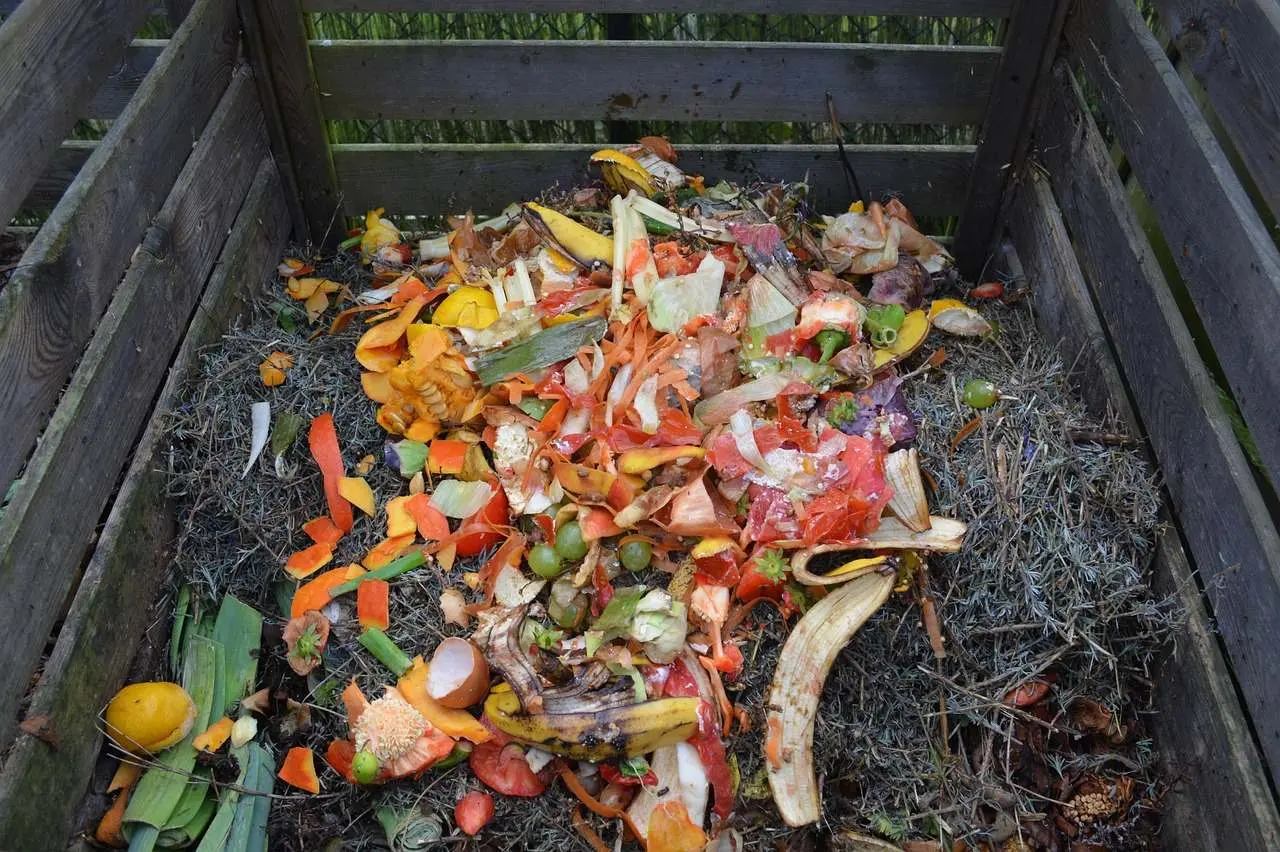
Iowa State describes compost as decomposed plant material that, once fully finished, resembles soil in color and texture. It lists compost, well-rotted animal manure, cover crops and yard waste as the main sources of organic matter in its managing garden soil guide.
If you want to make your own, the walkthrough on how to make compost at home covers the process. Not sure what belongs in the pile? The page on what can you compost sorts that out.
Manure and cautions
Utah State says livestock manure, especially when mixed with straw bedding, can raise soil organic matter. It advises against dog, cat or other manure from meat-eating animals, because unless it is hot composted it carries some risk of spreading pathogens to humans, per its amendment guidance.
The University of Tennessee’s soil stewardship guide describes building organic matter with crop residues, compost, manure and cover crops. It also flags tradeoffs such as pests, weed seeds and nutrient imbalances, which you can read about in the Tennessee publication summary.
Watch out for raw materials
Utah State warns that materials that are not fully decomposed, including leaves, sawdust, wood shavings and straw, often tie up soil nitrogen. The same page gives a fertiliser fix for this, but rates depend on your soil and product, so follow the product label and local extension guidance.
Not every amendment is organic. Perlite, pumice and vermiculite improve drainage and aeration but do not add nutrients, according to Utah State. Heavy ground is its own topic, and the guide on how to improve clay soil goes into it.
Gardening in pots changes the rules, so the separate guide to container vegetable gardening covers growing mixes and containers on their own terms.
Mulch: protecting the soil surface
Utah State defines mulch, such as shredded bark or hay, as material applied to the soil surface to reduce weeds, reduce evaporation, moderate soil temperature and more. It is usually not fully decomposed, which is the main difference from compost, as the Utah State page sets out.
Mulches can be organic or inorganic. Utah State lists rocks, glass and plastic as inorganic options, while shredded bark and hay break down and feed the soil over time.
For choosing materials and laying them down around vegetables, see the guide to mulch for vegetable garden beds. Iowa State’s no-till method also layers mulch, compost, composted manure, straw, dried leaves and grass clippings to build a planting bed, according to its soil management guide.
Tilling, digging and no-till options
Iowa State says turning or tilling has benefits and drawbacks. It can aerate soil, break up compaction and help mix in compost, but it can also bring weed seeds to the surface, speed the loss of organic material and break apart soil aggregates, per its managing garden soil page.
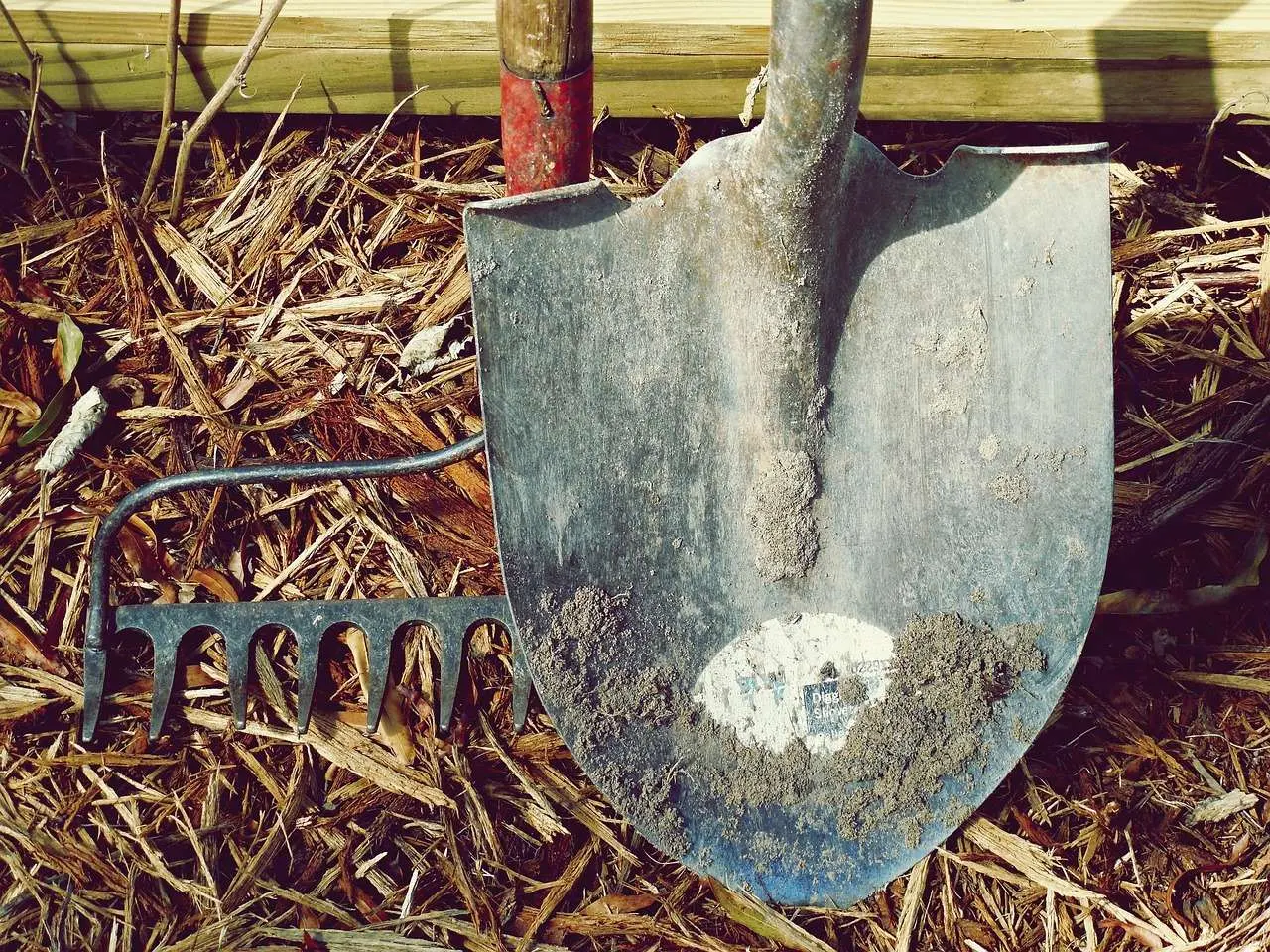
For most home vegetable beds, a light turning with a fork, shovel, hoe or rake is typically all that is needed. Most garden roots sit in the upper six inches of soil, so deeper turning gives minimal returns in plant growth, according to Iowa State.
Timing and wet soil
Never work soil that is too wet. Iowa State gives a simple test: squeeze a handful into a ball, and if it crumbles when pressed with your thumb, it is ready for turning. Utah State adds that tilling wet soil creates compaction and hard pan in clay soils, and that organic matter can go in during spring or fall when the soil is not wet, per its garden soil page.
Iowa State recommends working amendments into the top 6 to 8 inches of soil, where most roots are located, and doing it before plant roots are present. Fall tilling is the most beneficial in a home garden unless the site is prone to erosion, as described in its guide.
No-till and cover crops
If you would rather leave the soil undisturbed, a no-till bed builds up layers of organic materials on the surface. Iowa State names buckwheat, field peas, cowpeas, oats and oilseed radish as cover crops that winter kill and so can be ended without tilling, in its soil management guide.
Utah State notes that cover crops are another way to raise organic matter, and that legumes can also supply nitrogen. Spreading organic matter on the surface is slower and can build up nutrients at the top, but it suits patient gardeners, according to its page.
Test first, then adjust
Iowa State calls a soil test essential for making appropriate changes. It suggests mixing a sample from 10-15 locations across the area, and testing the vegetable garden separately from the lawn or a perennial border, per its managing garden soil guide. The walkthrough on how to test garden soil covers collecting a sample.
Utah State advises testing before you add compost or manure, because both are naturally high in phosphorus and potassium. Over-applying nitrogen and phosphorus can contaminate lakes and streams or leach into groundwater, as the Utah State page explains.
Acidity is part of the picture as well. Your results will include a pH reading, and the page on soil pH for vegetables explains what to do with it. For any fertiliser or lime, follow the product label and local extension guidance rather than guessing at rates.
A simple yearly routine
Tying the pieces together, a year of soil care can follow these steps:
- Test the soil and read the report before buying amendments.
- Work finished compost or other organic matter into the bed when the soil is not wet.
- Cover the surface with mulch to protect it.
- Plant a cover crop in empty beds where it suits your season.
- Retest to track changes, which the University of Tennessee’s soil stewardship guide also recommends.
Frequently asked questions
Is compost enough on its own to feed my plants?
Show answer
Usually not. Utah State points out that compost and manure raise fertility but typically do not supply appropriate plant nutrition when used alone, so a soil test helps you see what is still missing. The source page has the detail.
How long does it take to see results?
Show answer
Expect gradual change. Utah State names expecting immediate results as one common mistake, and says garden soils improve over time rather than overnight, according to its guidance.
Should I mix sand into clay soil?
Show answer
Utah State says to avoid it and use organic matter instead, as stated on its preparing garden soil page.
Do I still need mulch if I have added compost?
Show answer
Yes, they do different jobs. Oregon State says an organic mulch on the surface reduces evaporation compared with bare soil, which complements the water-holding benefit of amended soil, per its organic matter publication.