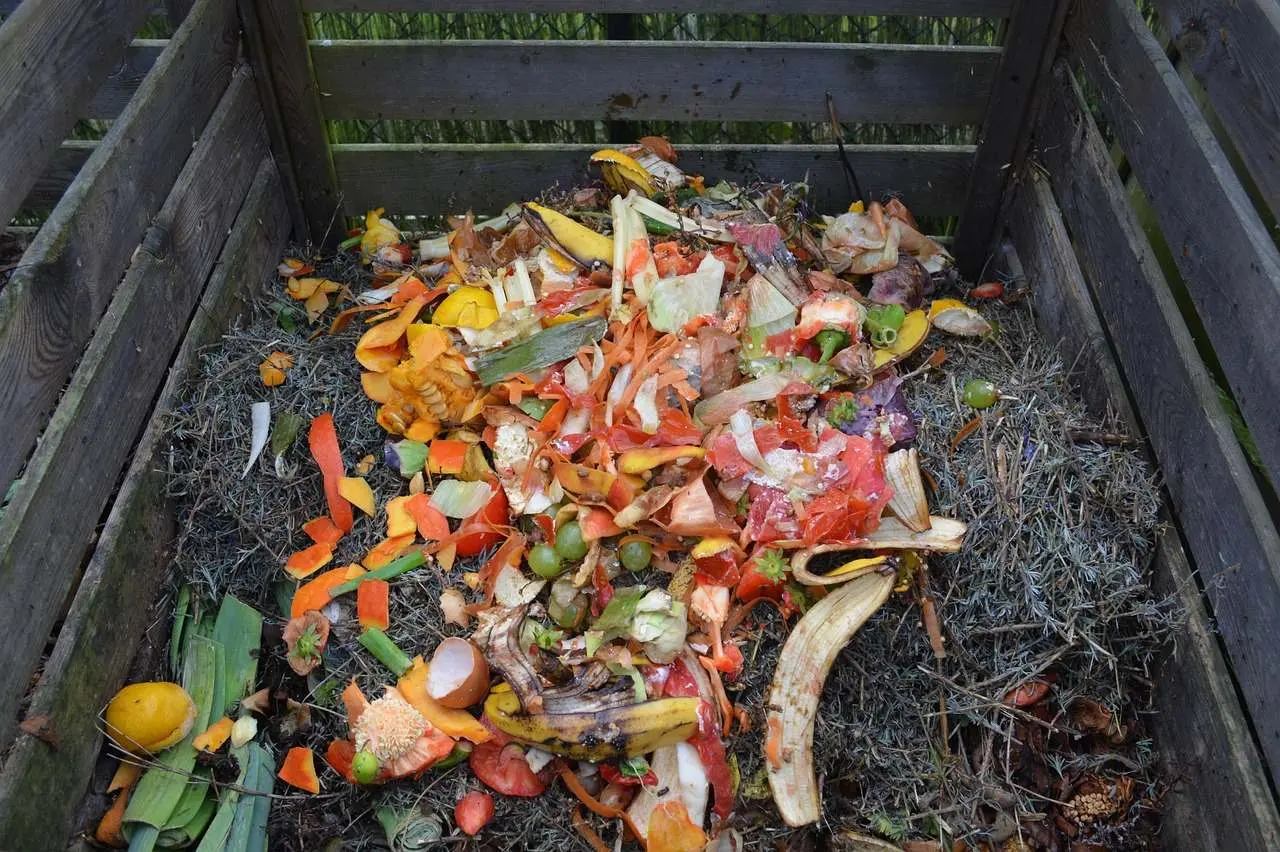
Worried that composting will be messy or complicated? Here is how to make compost at home: layer carbon-rich and nitrogen-rich scraps, keep the pile moist but not dripping, give it air, and wait.
This guide is part of our series on how to build healthy garden soil, where compost is one of the most useful tools.
| Item | Value |
|---|---|
| Ideal moisture content of the pile | between 40 and 60 percent |
| Optimum carbon-to-nitrogen ratio | about 30:1 |
| Temperature where beneficial microbes start to die | above 140°F |
| First layer of coarse material | 6-inch layer |
| Time until compost is ready | as soon as a month to as long as a year |
These figures come from the Alabama Cooperative Extension System backyard composting guide. They can change, so check the source before you rely on them.
How does composting work?
Composting is managed decomposition. According to the Alabama Cooperative Extension System, the key is to regulate the conditions under which microbes break material down, which can shorten a process that takes several years on a forest floor to mere weeks.
The same source says the microbes doing the work need the right balance of these five things:
- Air
- Water
- Carbon
- Nitrogen
- Temperature
Air matters first. Composting is an aerobic process, so it needs oxygen, and a pile starved of it turns anaerobic and can smell bad, as the Alabama guide explains.
Water comes next. The guide puts the ideal moisture content between 40 and 60 percent, and describes the feel as moist when squeezed but not dripping wet. A pile that is too wet decomposes more slowly.
Finally there is food for the microbes. They draw energy from carbon-rich materials such as dry plant residues and build protein from nitrogen-rich ones such as manures, kitchen scraps and green leaves. The same extension guide gives an optimum carbon-to-nitrogen ratio of about 30:1.
Choosing a compost method
Gardening Know How calls compost “black gold” because it is rich in nutrients and beneficial microbes, and its composting basics guide covers options for beginners and more advanced techniques. The right choice is mostly about what you can keep up with.
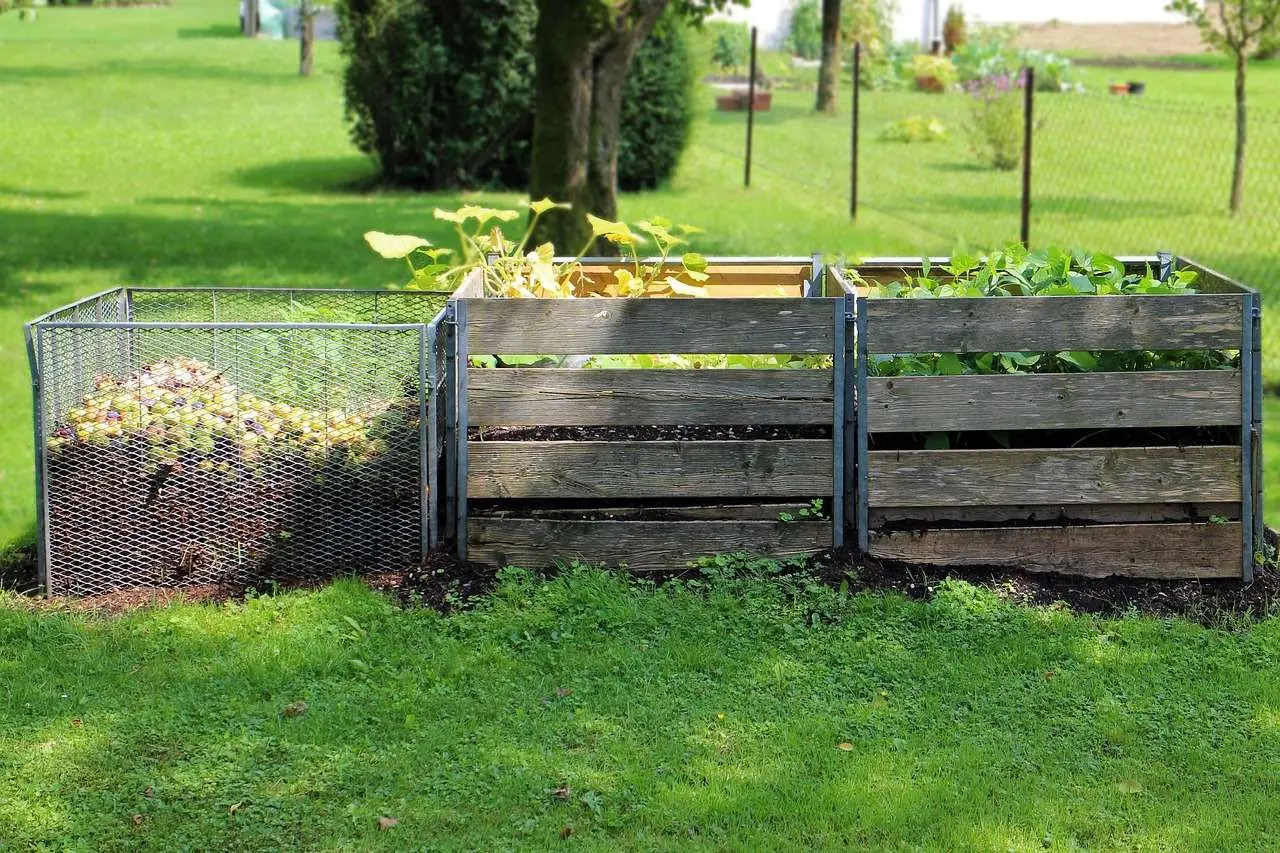
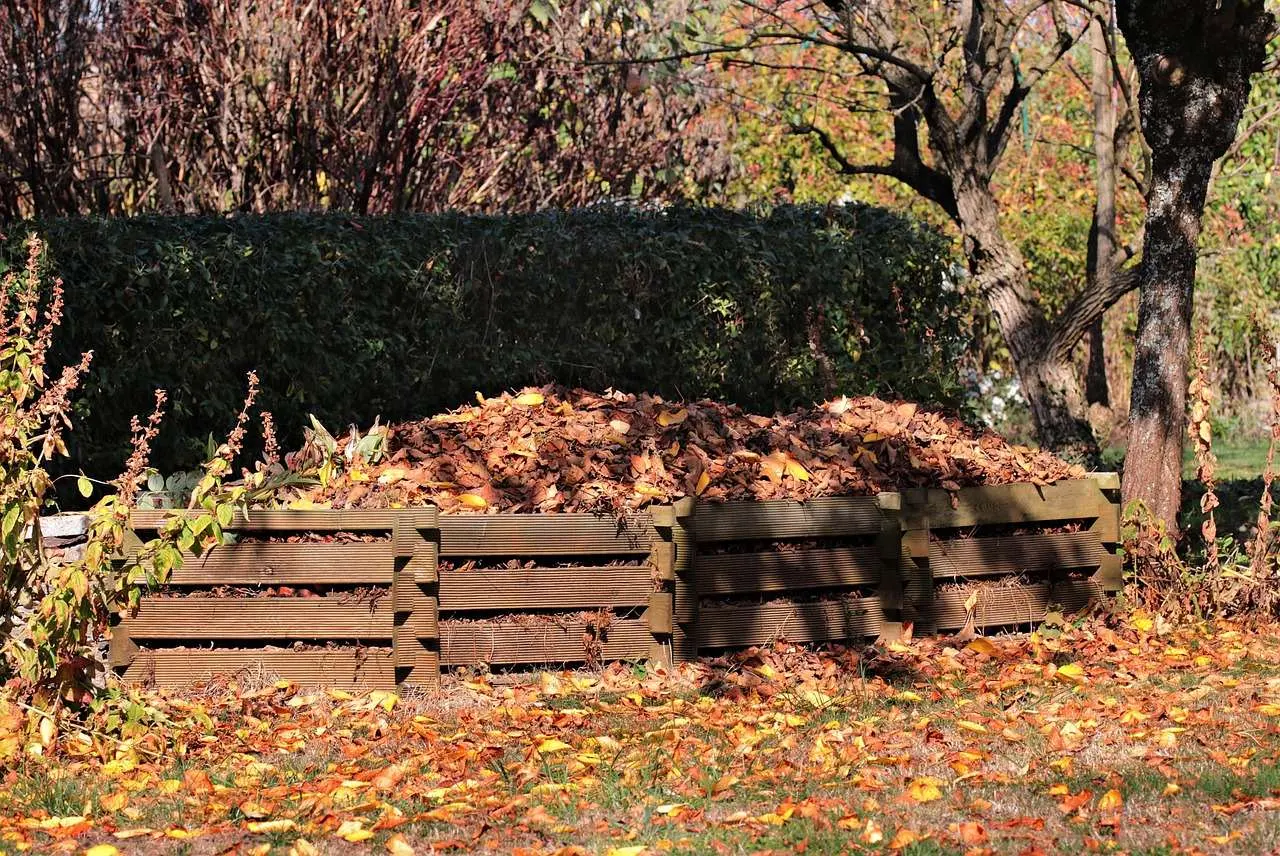
The Alabama guide says the system you choose should be determined by how well you will be able to manage the process. Its photos show several set-ups:
- A simple open pile
- A cage made of concrete reinforcing wire
- A multi-bin unit
- A turning unit
The Gardening Know How guide also has sections on hot versus cold composting, small-space composting and alternative methods. If you garden on a balcony or a small plot, those sections are worth a look before you buy or build anything.
Basic steps to build a compost pile
Whichever container you use, the Alabama guide recommends building the pile in layers. The steps below follow that sequence.
- Start with a bottom layer of coarse material, such as small twigs or branches, so air can get in.
- Add a layer of finer material, such as leaves or grass clippings.
- Cover it with a thin layer of soil or finished compost, which supplies microbes to get the process started.
- Repeat the layers, leaving out the coarse material after the first round.
- Water the pile if it feels dry, and turn it from time to time.
The guide gives the sizes: a 6-inch layer of coarse material first, then finer material about 6 to 8 inches deep, then soil or finished compost 1 to 2 inches deep. See the Alabama extension guide for the full sequence.
What goes in, and what stays out
Plant waste is the base of most piles, and kitchen scraps such as vegetable and fruit scraps, egg shells and coffee grounds can join it if they are buried in the pile to avoid odor, according to the Alabama guide. The same guide says to keep meat scraps, bones and fats out because they attract pests.
For a longer list of ingredients, see our sibling guide on what can you compost.
Chop it up
Smaller pieces break down faster. The extension guide notes that small chips give microbes more surface area to feed on, and suggests a leaf shredder or chipper to prepare materials.
Managing moisture, air and heat
As microbes multiply they give off heat, and that heat destroys many weed seeds and disease organisms. But the Alabama guide warns that above 140°F the beneficial microbes start to die, so turning the pile at that point prevents overheating and speeds up the process.
The guide advises turning the pile periodically, ideally once the middle has reached that temperature, so air reaches all of it. Add water if the pile dries out.
Balance matters too. According to the extension guide, too much nitrogen compared with carbon can deplete oxygen and give off ammonia, while too little slows decomposition. A high-carbon material such as sawdust should go in with grass clippings or manure.
A quick check can sort out most trouble:
- Bad smell: the pile may be short of air or too wet, so turn it.
- Slow progress: the pile may be too dry or too heavy in carbon, so add water or a nitrogen source.
- Pests: check that no meat, bones or fats went in, and bury kitchen scraps deeper.
When is compost ready, and how do you use it?
The timeline varies a lot. The Alabama guide says compost can be ready as soon as a month or take as long as a year, depending on the materials and how well the pile is managed.
Finished compost should look like a uniform potting soil, with little sign of the original ingredients. Once it does, you can dig it in or spread it on top.
According to the same extension source, compost improves soil aeration and structure, adds nutrients, and helps sandy soils hold water. As a mulch it also conserves moisture, suppresses weeds, prevents crusting and buffers soil temperature.
If your ground is heavy, our guide on how to improve clay soil shows where compost fits in.
Frequently asked questions
Can I compost meat and dairy at home?
Show answer
Extension guidance says to leave out meat scraps, bones and fats, since they draw animals and insects to the pile. Stick to plant waste and buried vegetable scraps, as described in the Alabama guide.
How long before I can use my compost?
Show answer
It depends on what you add and how closely you tend the pile. The Alabama source gives a range from about a month to a full year.
Why does my pile smell?
Show answer
Odor usually points to too little oxygen or too much wetness. Turn the pile to let air in, check that it is not soggy, and bury fresh kitchen scraps.
Do I have to buy a bin?
Show answer
No. The extension guide shows a plain pile and a wire cage as workable options. Pick the set-up you will actually manage.