You’re holding a bowl of scraps and wondering: what can you compost? Plant matter, mostly — mix green materials with brown ones, and keep meat, dairy, oils and pet waste out.
Compost is one part of feeding your beds, and the wider picture is in the guide on how to build healthy garden soil.
| Item | Value |
|---|---|
| Green to brown ratio (Colorado State University) | Two parts green to one part brown |
| Green to brown ratio (US EPA) | An equal amount of browns to greens |
| Burial depth for fruit and vegetable waste | Under 10 inches of compost material |
| Outdoor pile, time until ready | Two months to two years |
| Indoor worm bin, time until ready | Two to five weeks |
| Share of discarded waste that is food scraps and yard waste | More than 30 percent |
These figures come from Colorado State University’s PlantTalk and the US EPA’s archived January 2021 snapshot. They can change, so check the sources before you rely on them.
Greens and browns: the two sides of the pile
Composting materials split into two types, green and brown, as Colorado State University’s PlantTalk describes them. Greens are fresh and leafy, while browns are dry and woody.
The EPA’s archived page explains why a pile needs both: browns supply carbon, greens supply nitrogen, and water supplies the moisture that helps break down the organic matter.
Typical greens named by the two sources:
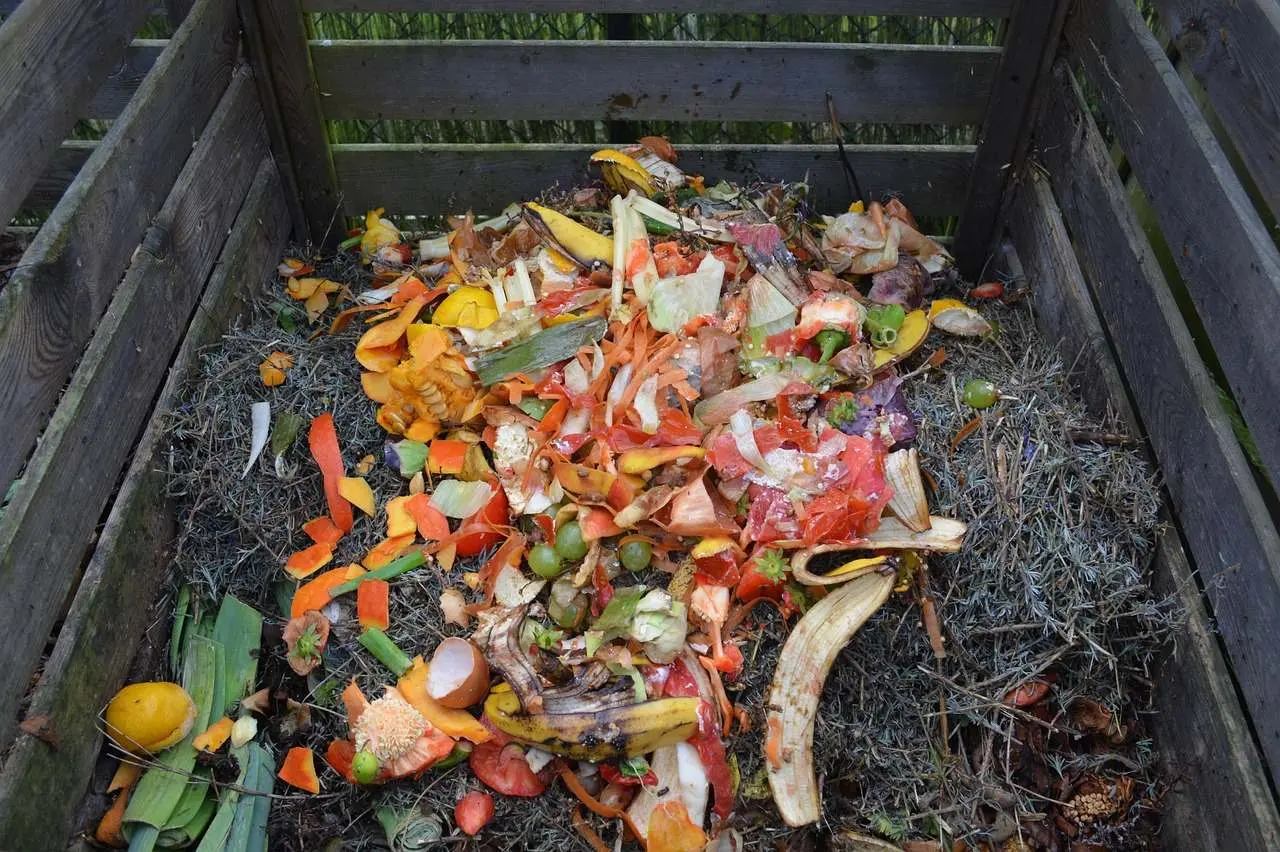
- Weeds, grass clippings, vegetable tops and flower clippings
- Vegetable waste and fruit scraps
- Coffee grounds
Typical browns named by the same sources:
- Fall leaves and dead leaves
- Straw, sawdust and wood chips
- Shredded newspaper
- Branches and twigs
Kitchen and yard scraps you can add
Food scraps and yard waste together make up more than 30 percent of discarded waste, according to the EPA’s archived January 2021 snapshot. That is a lot of material that could go into a bin instead.
The same EPA page has a long “what to compost” list:
- Fruits and vegetables, eggshells, nut shells
- Coffee grounds and filters, tea bags
- Shredded newspaper, cardboard and paper
- Yard trimmings, grass clippings, leaves and houseplants
- Hay and straw, sawdust and wood chips
- Cotton and wool rags, dryer and vacuum cleaner lint, hair and fur
- Fireplace ashes
PlantTalk takes a broader view: any plant residue can be composted, including spent plants, leafy prunings, vegetable tops and vines, manure and non-glossy newsprint.
What should you keep out of the compost bin?
Both sources agree on the core of the “no” list. Colorado State University advises against meat, bones, cooking-oil products, eggs and dairy, because they slow decomposition and may attract rodents and other animal pests.
The EPA page adds more items and a reason for each:
- Meat, fish bones and scraps, fats, grease, lard and oils: they create odor problems and attract rodents and flies.
- Dairy products and eggs: the same odor and pest problems apply.
- Dog or cat feces and soiled cat litter: they might contain parasites, bacteria, germs, pathogens and viruses harmful to humans.
- Diseased or insect-ridden plants: diseases or insects might survive and spread back to other plants.
- Black walnut leaves or twigs: they release substances that might be harmful to plants.
- Coal or charcoal ash: it might contain substances harmful to plants.
- Yard trimmings treated with chemical pesticides: they might kill beneficial composting organisms.
Eggshells are on the EPA’s “yes” list, while whole eggs sit on the “no” list. The page also notes that a local composting or recycling coordinator can tell you whether your community’s curbside or drop-off program accepts items a home pile should not take.
Colorado State University also calls it inadvisable to compost weeds loaded with seeds. Pest and weed problems can survive the process and show up in the garden later.
Materials that need extra care
Some materials are allowed but behave badly if you add them carelessly. PlantTalk gives three examples:
- Grass clippings: they can be composted, but it is best to mulch them and leave them on the lawn. If you do compost them, mix in brown materials to prevent over-packing, which leads to obnoxious odors.
- Browns on their own: they need supplemental nitrogen to feed the decomposing bacteria. If you use a fertilizer for this, follow the product label and local extension guidance.
- Woody materials: they need extra composting time.
The EPA also recommends chopping or shredding larger pieces as you add them. Smaller pieces give the pile more surface to work on.
Straw and wood chips appear on the brown list, and using them on beds is a separate job covered in mulch for vegetable garden.
Getting the balance right
The two sources do not give the same ratio. To speed up decomposition, Colorado State University suggests two parts green material to one part brown, while the EPA’s archived page says a pile should hold an equal amount of browns and greens.
Treat the ratio as a starting point rather than a fixed rule. If the pile smells bad, add more browns; if it stays dry and slow, add more greens and moisture.
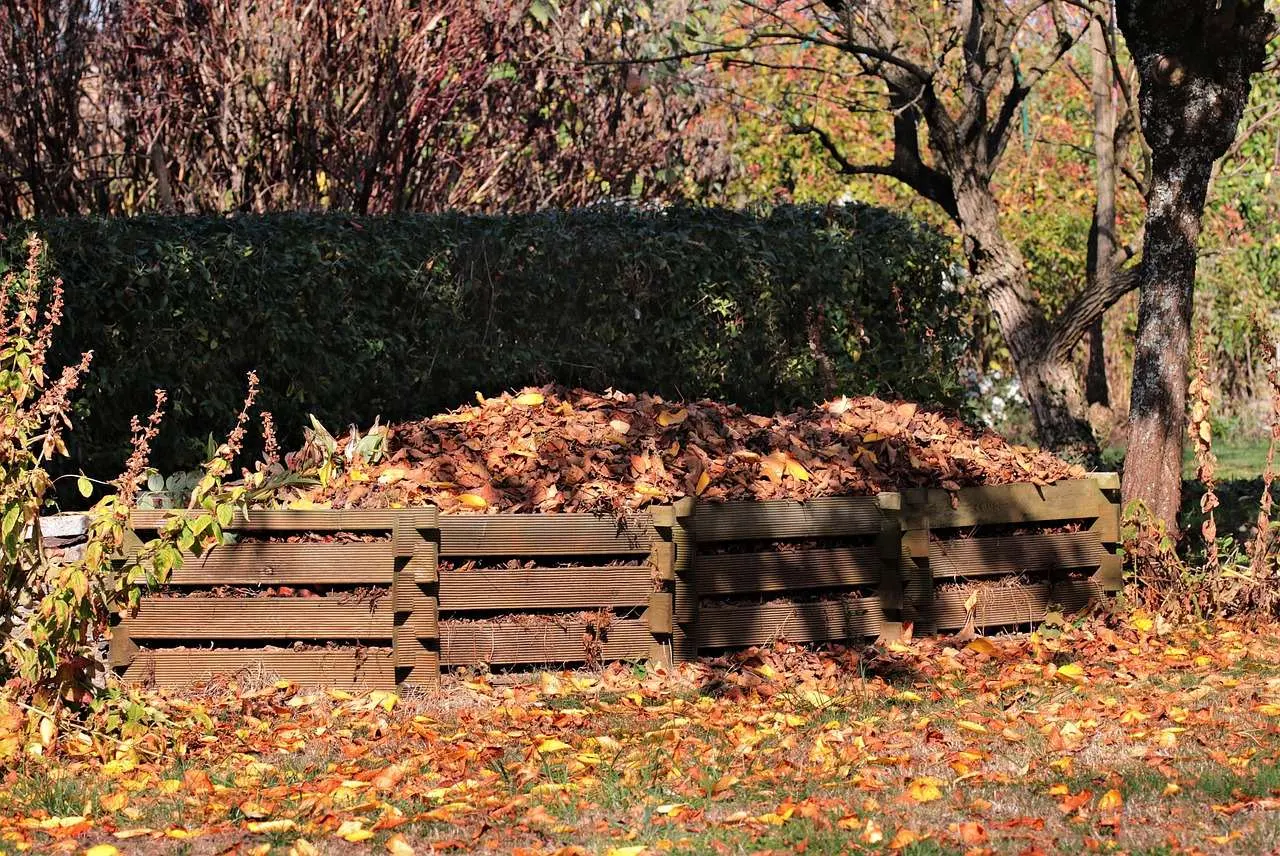
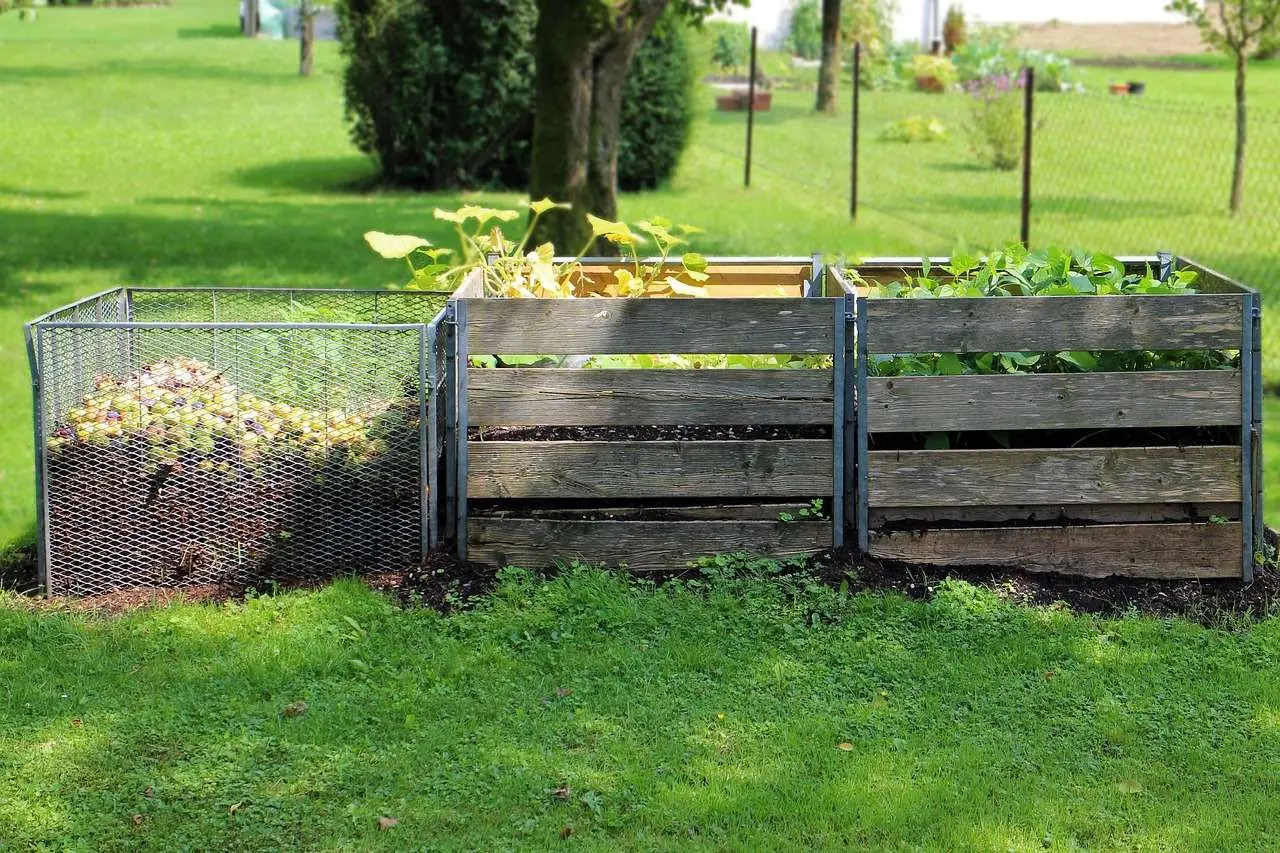
For placement, the EPA suggests a dry, shady spot near a water source, with dry materials moistened as you add them. Once the pile is established, bury fruit and vegetable waste under 10 inches of compost material.
Outdoors, the EPA says finished compost usually takes anywhere from two months to two years. An indoor worm bin should be ready in two to five weeks, and a properly managed bin will not attract pests or rodents or smell bad.
When you are ready to build, the step-by-step version is in how to make compost at home.
Frequently asked questions
Can you compost eggshells?
Show answer
Yes. The EPA’s archived list names eggshells as a compostable item, but whole eggs are grouped with the materials to avoid.
Are coffee grounds green or brown?
Show answer
The EPA’s archived page counts coffee grounds among the greens. It also lists coffee filters and tea bags as compostable.
Can weeds go in the compost?
Show answer
Leafy weeds count as green material, according to Colorado State University. Leave out diseased plants, insect-infested plants and any weeds heavy with seeds.
How long until compost is ready?
Show answer
It depends on the method. The EPA’s archived page gives a wide range of two months to two years for an outdoor pile, and a much shorter two to five weeks for an indoor worm bin.
Can a home pile take what my curbside program accepts?
Show answer
Not necessarily. The EPA’s archived page says to ask your local composting or recycling coordinator which organics your community program takes, since that can differ from what suits a backyard pile.