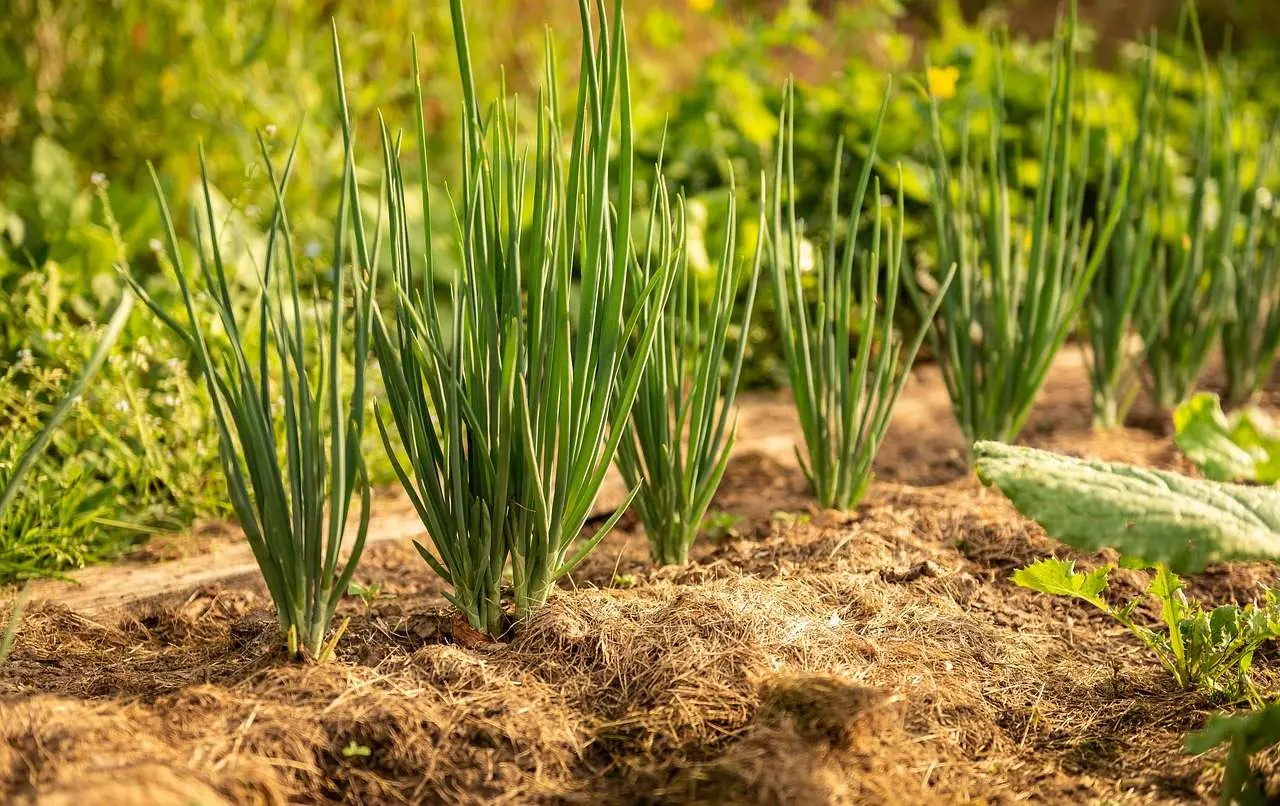
Not sure what to spread over your beds, or when? A good mulch for vegetable garden beds is dried grass clippings, shredded leaves, seed-free straw or compost, put down once the soil has warmed for heat-loving crops.
Mulch is one piece of the bigger picture covered in how to build healthy garden soil.
| Item | Value |
|---|---|
| Fresh grass clippings, per layer | Up to 1/4 inch thick |
| Compost or leaf mold mulch depth | One to two inches |
| Wood or bark chips between raised-bed boxes | Three to four inches deep |
| Irrigation need reduced by mulching | Around 50% |
| Mulching heat-loving crops such as tomatoes and peppers | Mid or late spring, after the soil has warmed |
These figures come from Colorado State University Extension and Colorado State University’s Landscape for Life. They can change, so check the sources before you rely on them.
What mulch does in a vegetable bed
A layer of mulch over bare soil slows evaporation, steadies moisture and shades out many weeds. Colorado State University Extension says mulching can reduce irrigation need by around 50%, and that the benefits depend on the material used and the depth it is applied. Read the full CSU guide for the details.
Iowa State University Extension lists further payoffs that matter in a food garden:
- Fewer annual weeds and more even soil moisture
- Moderated soil temperatures
- Less erosion from raindrop impact and runoff
- Fruit and vegetables kept free of rain-spattered soil
- Lower severity of some diseases, such as blight on tomatoes
The list is from Iowa State’s mulch guide. It also advises weighing availability, cost, appearance, function and durability when you choose an organic mulch.
New Mexico State University notes that organic mulches such as hay, straw, grass clippings and compost tend to return nutrients to the soil as they decompose. The trade-off is that organic mulches do not match synthetic ones for soil warming or perennial weed control, per NMSU’s mulch publication.
Best organic materials for mulch in a vegetable garden
Choose by what you can source cheaply and what your crops need. Each material below behaves differently once it is on the bed.
Grass clippings
Dried grass clippings are quick and cheap. CSU Extension advises thin layers, up to 1/4 inch thick, with each layer left to dry before the next goes on. Thick piles of fresh clippings mat down, smell bad and block water and air, according to the same CSU guide.
The guide says to avoid clippings from lawns treated with herbicides or other pesticides in the past month, because some products carry over for years. Always follow the product label and local extension guidance. Around lettuce and other leafy crops, place clippings by hand at the base of the plants, as CSU Extension describes.
Straw
Seed-free straw is a dependable choice. CSU Extension says to look for certified weed (seed) free products, and Landscape for Life adds that you should be sure you get straw and not hay, which can be full of weed seeds.
Straw also shields tubers growing near the surface from light, so potato plants need not be mounded. The caveat is that herbicide used on the straw field can carry over and transfer to your vegetables, so ask the supplier, as CSU Extension warns.
Leaves and leaf mold
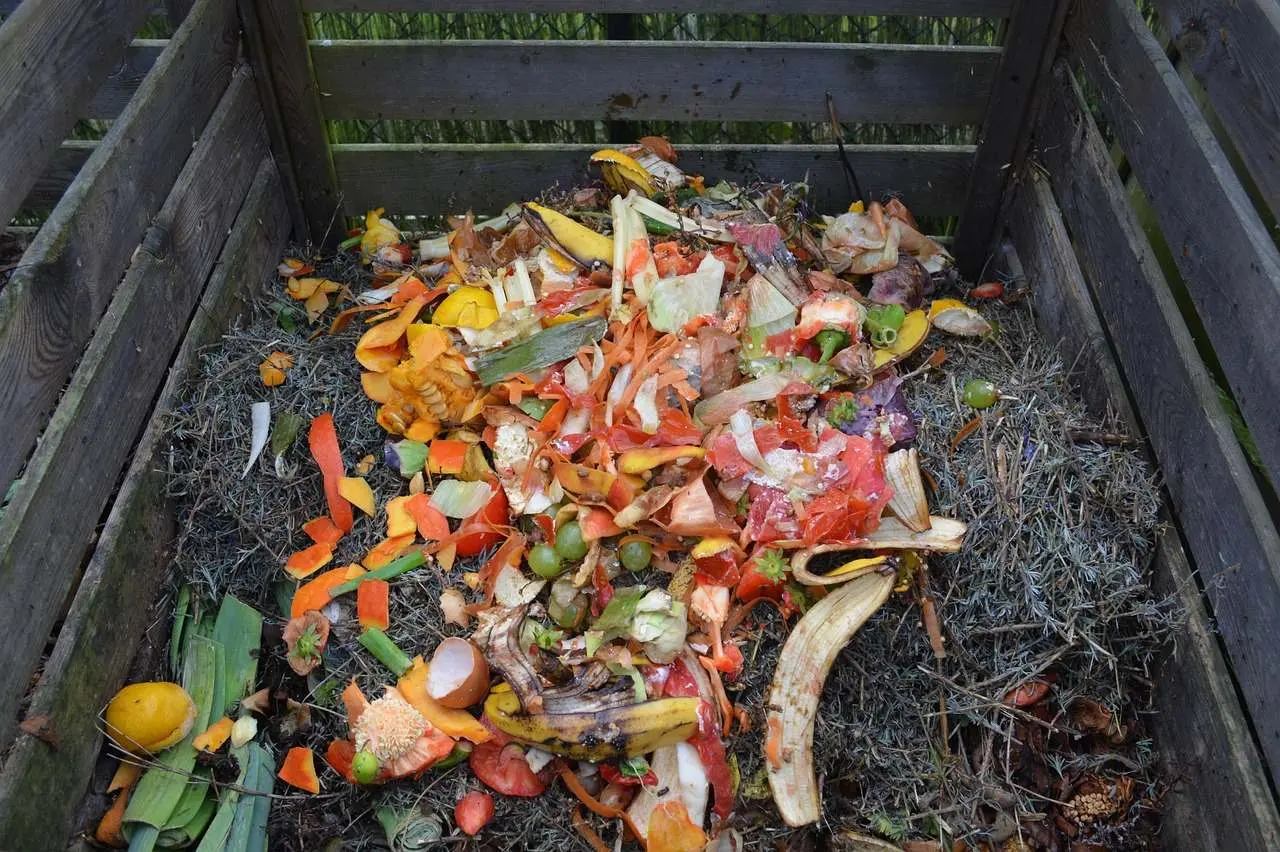
Shredded leaves are free for many gardeners. Iowa State says to shred or compost them first to prevent matting and blowing away, and calls them great for vegetable gardens. A pile of leaves about 3 feet tall and wide becomes leaf mold over 1 to 2 years, faster if shredded.
Compost
Sources disagree on compost. CSU Extension calls compost or leaf mold excellent organic mulch at one to two inches, while Iowa State says it improves soil structure, drainage and fertility but does not suppress weeds as well as other mulches.
Landscape for Life says compost is not mulch and suggests adding a mulch blanket over it, and the University of Saskatchewan says it is better to apply compost first and place mulch on top. If you make your own, see what can you compost for what belongs in the pile.
Newspaper and cardboard
A sheet layer under another mulch can smother weeds. CSU Extension says not to go beyond a couple of sheets of newspaper, and to avoid glossy print because its inks may not be soy-based, per its mulch guide.
Iowa State warns that too many layers can inhibit water and air movement into the soil. The University of Saskatchewan goes further and recommends no landscape cloth or cardboard underneath mulch at all, so treat sheet mulch as optional: see Iowa State and USask for both views.
Materials to use with care or avoid
- Wood and bark chips: CSU Extension says to keep them out of growing beds because they interfere with seedbed preparation. Between raised-bed boxes, three to four inches deep controls weeds and cushions foot traffic, and surface chips do not tie up soil nitrogen (CSU). Chips made from lumber or pallets may contain chemicals, per Iowa State.
- Sawdust: CSU Extension advises against fine sawdust because it could create a nitrogen imbalance and a barrier to water. Iowa State allows sawdust that has been aged for a year, or a fresh layer of 1 inch or less, and never from treated lumber (source).
- Black plastic: It warms the soil, so it is undesirable for most cool-season crops. It suits tomato, pepper, melon and strawberry crops, but plants must grow early enough to shade it before summer heat (CSU).
On the Colorado Front Range, CSU reports crops under black plastic average two to three weeks earlier production and higher yields, but the same CSU guide notes there is no surface evaporation, so it is easy to over-irrigate.
When to apply mulch for each crop and season
Timing depends on the crop. Landscape for Life says the best time to mulch peppers and tomatoes is after the soil has warmed, usually mid or late spring, while cabbages, greens and other cool-weather crops can be mulched earlier.
The reason is soil temperature, since CSU Extension says mulching may cool or warm the soil. If you use plastic, it goes on the bed early in the season to start the soil warming and allow earlier crop growth, per CSU’s guide.
Off-season, Iowa State says seed-free wheat, oat or soybean straw works as an excellent short-term mulch and as overwintering insulation for cold-tender plants. Leaves are a poor winter mulch for strawberries because they tend to mat and smother plants, per Iowa State.
Landscape for Life notes that mulches are not soil amendments and sit on the surface. Before you add anything to the bed, find out how to test garden soil so you know what it needs, and see its mulch page.
How to apply mulch step by step
A little preparation helps mulch work harder. Landscape for Life advises pulling any existing weeds, or smothering them with a layer of newspaper, then watering well before you mulch (source).
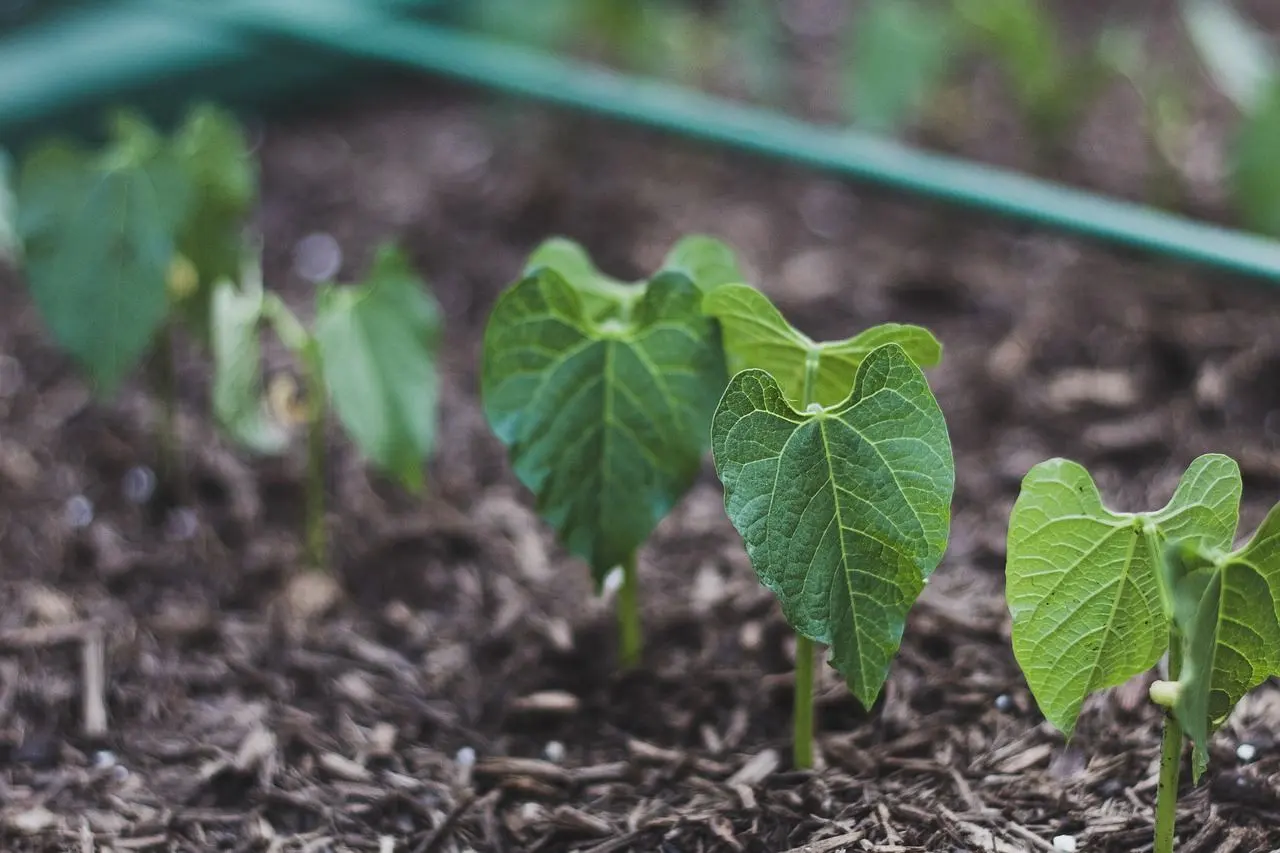
- Clear and water the bed. Remove weeds and soak the soil so the mulch has moisture to hold in.
- Match depth to material. NMSU says coarse organic mulches like straw go on 2-3 inches deep, while grass clippings should not exceed 1 inch deep (NMSU). CSU Extension suggests one to two inches of compost or leaf mold.
- Leave a gap at stems. Keep organic mulch an inch or two back from the base of plants to avoid certain diseases (Landscape for Life).
- Water it in. The University of Saskatchewan advises watering the mulch again unless rain is expected, which encourages microbial action (USask).
Frequently asked questions
Can I dig mulch into the soil at season’s end?
Show answer
It depends on the material. CSU Extension says grass and newspaper mulch can be cultivated in during fall, and straw used for summer mulch over several years can be worked in as an amendment (CSU). Woody material should stay out because it can tie up nitrogen (NMSU).
What do I do with plastic mulch after harvest?
Show answer
Pull it up and put it in the trash rather than plowing it under. CSU Extension says polyethylene plastic never decomposes in the soil and, because sunlight breaks it down, generally lasts a single season (source).
When is it safe to mulch seedlings?
Show answer
Hold off if the soil is very moist, because wetness invites damping-off, an often fatal fungal disease. Landscape for Life says mulching is safe once seedlings are established.