Short on space but keen to grow food? A balcony vegetable garden works when you check sun, weight and wind first, then match big enough pots to crops that suit your light.
This guide is one part of our wider look at container vegetable gardening, so it pairs well with the basics covered there.
| Item | Value |
|---|---|
| Direct sun most vegetables need | 6-8 hours of direct sunlight daily |
| A 15-gallon container of wet soil | 80-100 lbs |
| Typical residential balcony load | 40-60 lbs per square foot |
| Minimum pot for tomatoes and peppers | 5 gallons or larger |
| Pot size for most vegetables | At least 12 inches deep and 12 inches wide |
The figures come from Reencle’s balcony guide and SowSpot’s container gardening guide. Pot weights, building limits and plant needs vary, so check the sources and your building’s rules before you rely on them.
Check the rules and the weight limit first
Start with the paperwork, not the plants. Some landlords or housing associations have specific rules about what you can grow on a balcony, so ask before you begin, as Almanac’s Garden Planner guide advises.
Then think about weight. A 15-gallon container filled with wet soil can weigh 80-100 lbs, and most residential balconies are engineered for 40-60 lbs per square foot, according to Reencle. The same page says to verify the limit with building management, especially near the outer edge.
A few habits keep the load down:
- Choose fabric grow bags over heavy ceramic pots, and place large containers near the building’s load-bearing walls rather than the outer edge (Reencle).
- If in doubt, pick lighter plastic pots over heavier terracotta or stone (Almanac).
- Fill pots only as far as the plant needs, and add them one at a time rather than all at once.
How much sun and wind does your balcony get?
Sun decides what you can grow. Most vegetables need 6-8 hours of direct sunlight daily, and a balcony with fewer than 4-5 hours is limited to shade-tolerant crops such as lettuce, spinach and radishes, per Reencle.
Orientation helps you predict the light. Lawn Love says a sunny balcony with a southern- or western-facing exposure is ideal for sun-loving container vegetable gardens. Because it is easy to overestimate sun, record exactly where it falls and at what time of day, as Almanac suggests.
Wind is the next test. Upper-floor balconies can see wind speeds significantly higher than ground level, which dries out plants and breaks stems (Reencle). Netting or reed screens filter the wind well and make a pleasant backdrop, according to Almanac.
Which containers work on a balcony?
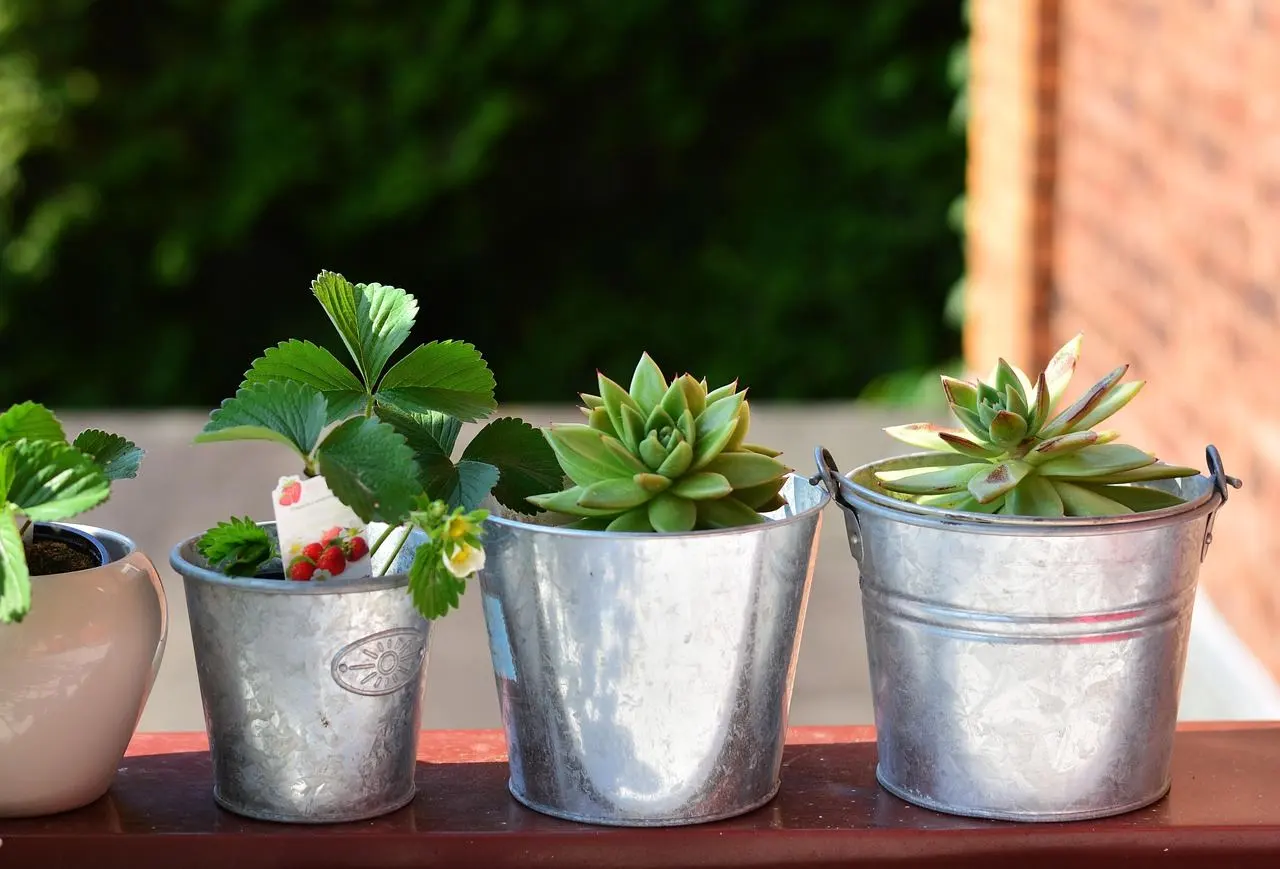
Size is the biggest lever. SowSpot recommends pots at least 12 inches deep and 12 inches wide for most vegetables, and says tomatoes and peppers need 5 gallons or larger (SowSpot). Larger containers also retain moisture longer and need less frequent watering, notes Epic Gardening.
Material changes weight and watering needs. Reencle summarises the common options:
- Plastic: lightweight, inexpensive and good at retaining moisture.
- Fabric grow bags: lightweight and well draining, though they dry out faster than hard containers.
- Terracotta: beautiful but heavy, porous and breakable.
- Ceramic or glazed: heavy, with good insulation of root temperature and good moisture retention.
Whatever you pick, make sure it has drainage holes, because roots rot without them. Skip space-hungry crops like corn, full-size squash and watermelon unless you have very large containers (15+ gallons), says SowSpot.
What to grow in a balcony vegetable garden
Match crops to the light you measured, and favour compact varieties. Almanac offers a useful split:
- Shadier balconies: salad leaves, spinach, kale, carrots, strawberries or compact raspberries.
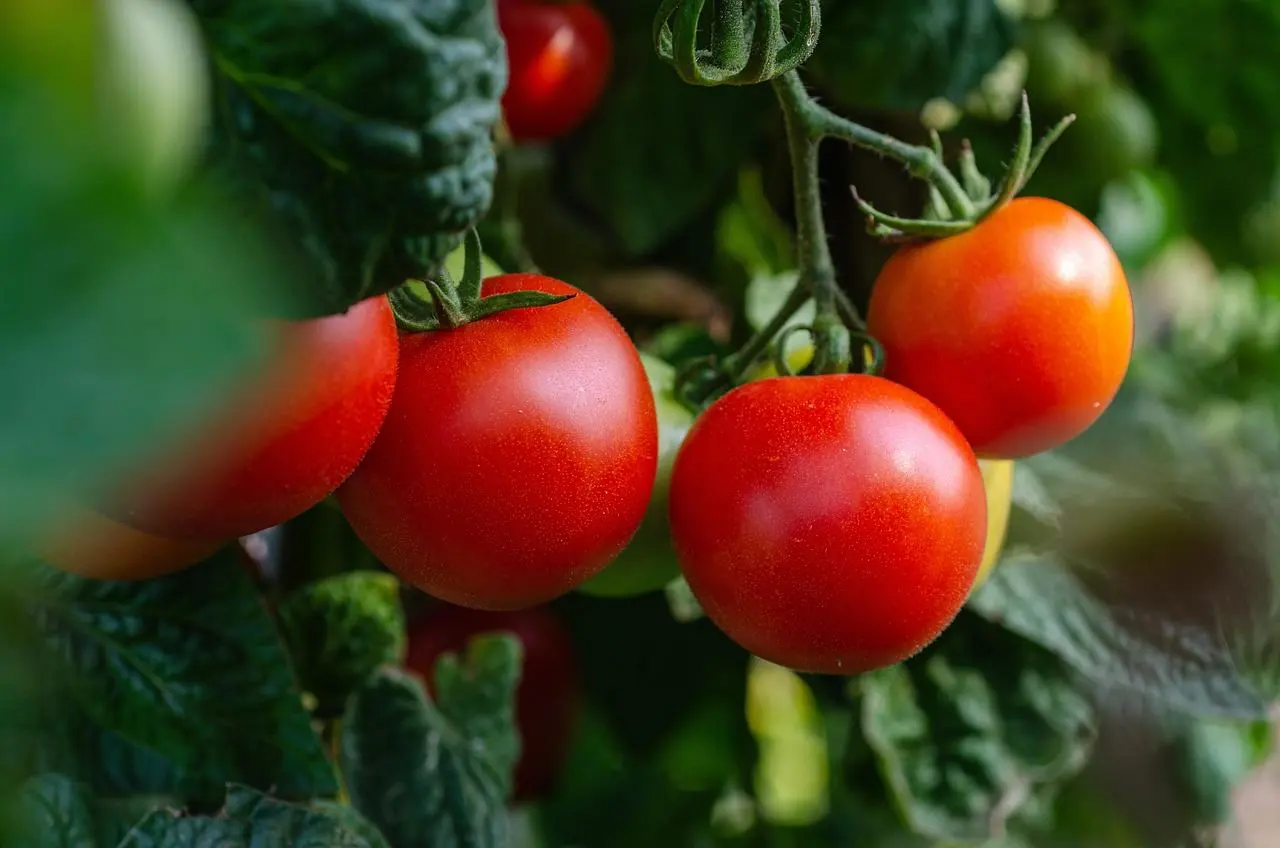
- Sunnier balconies: cherry tomatoes, miniature beets and compact summer squashes.
- Heat lovers: peppers should get 8 hours of sun each day, according to Simplify Gardening.
- Fast crops: radishes take 24-60 days to harvest, depending on the variety (Simplify Gardening).
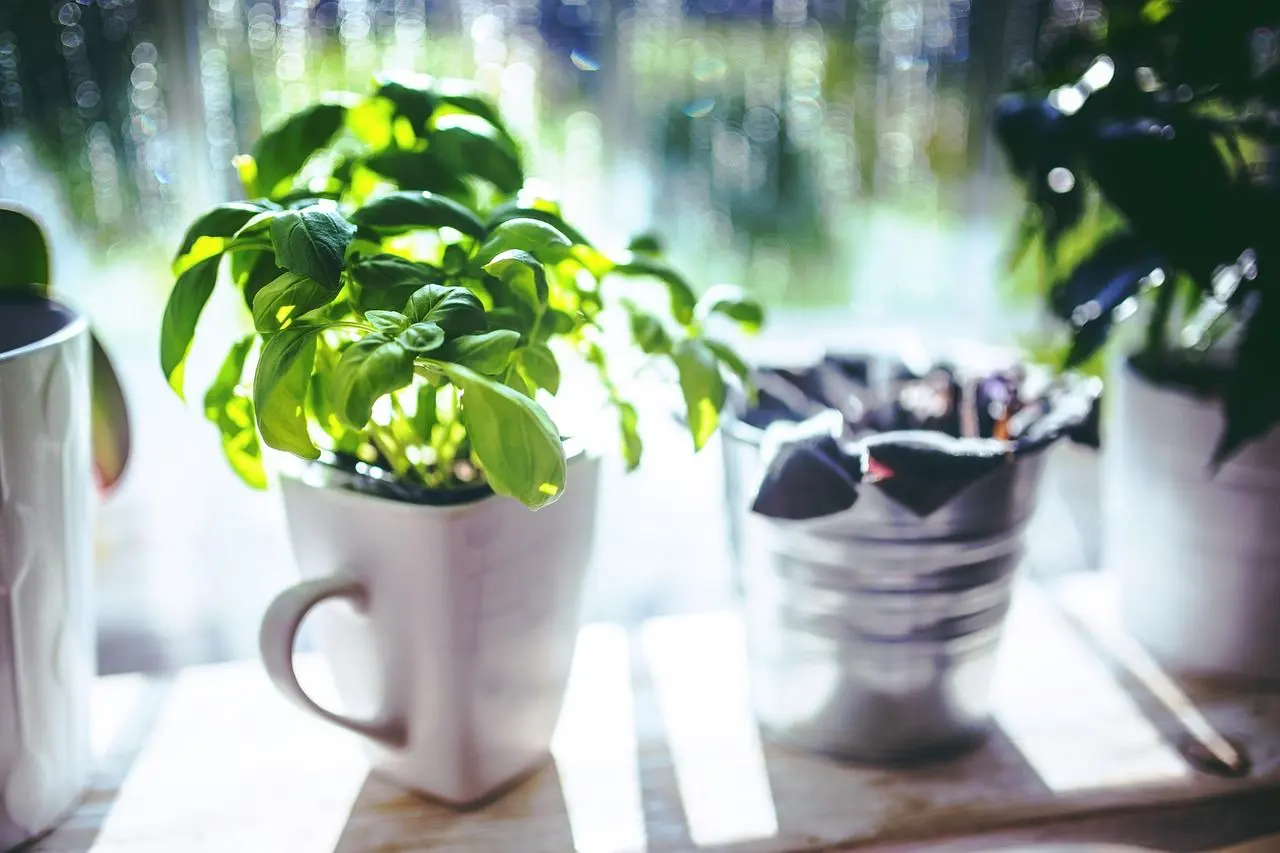
Quick-to-mature crops can give as many as four harvests from the same pots each year, says Almanac. Herbs are a wise choice too, given their low space needs and the fact that you can pick something almost every day of the year.
Think upward as well. You can train climbing beans or cucumbers up a trellis or secure window boxes to railings, and shelving should be fixed securely to the wall so it can’t blow over. If you also want a few pots indoors, our guide to growing herbs on a windowsill covers that.
Soil and watering routines
Fill containers with a proper mix, never soil dug from the ground. SowSpot says garden soil compacts into a brick-like mass, drains poorly and often carries weed seeds and pathogens. Our guide to potting mix for vegetables explains what to use instead. For feeding, follow the product label and local extension guidance.
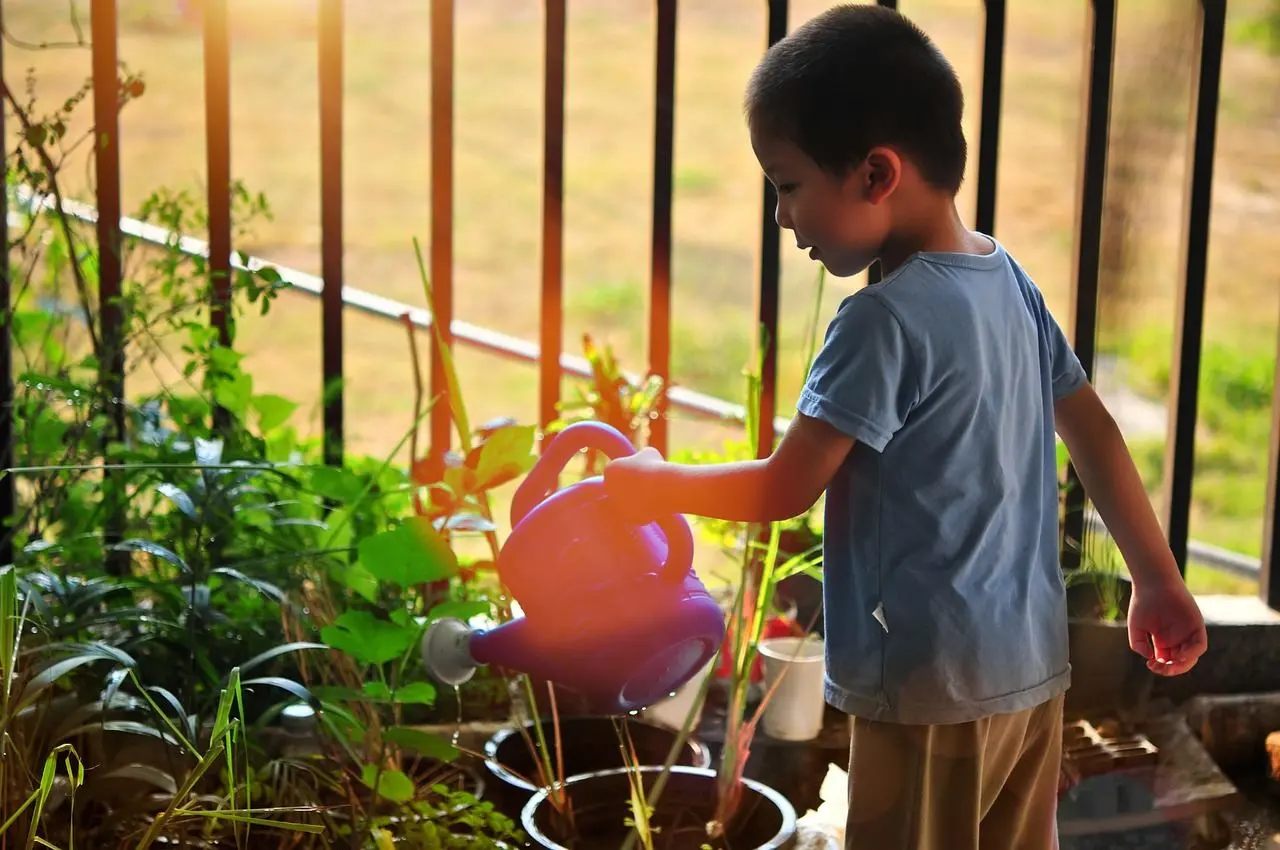
Pots dry out quickly on a balcony, since sun and wind together can empty them with alarming speed (Almanac). In peak summer, small containers may need watering twice daily, per SowSpot. A simple routine from the same source:
- Check daily by pushing a finger 1-2 inches into the soil.
- If it feels dry, water until the water drains from the bottom.
- Empty saucers after 30 minutes to prevent root rot.
If you can’t be there every day, automate. Self-watering pots hold water in a bottom reservoir and use a wicking system to draw it up as the plant needs it, while drip irrigation delivers small amounts of water through a drip line and emitters (Lawn Love).
Frequently asked questions
How little sun can a balcony vegetable garden get?
Show answer
With less than 6 hours of direct sun, SowSpot points to leafy greens, herbs and root crops such as radishes and beets as the most shade-tolerant edibles. Fruiting crops generally want more light than that.
Do I need a tap on the balcony?
Show answer
No. If there is no outdoor faucet, Lawn Love suggests a gravity-fed or pump system instead of a hose-fed one.
Which vegetables are easiest for beginners?
Show answer
After tomatoes, peppers and chilies are among the easiest to grow in containers, according to Simplify Gardening, which also calls lettuce in pots easy and cucumbers one of the easy container vegetables.
What if my balcony is very windy?
Show answer
Set pots back toward the wall, away from the railing, and add a windscreen or sturdy shrubs as cover. Lawn Love adds that a balcony that is just too windy may suit houseplants better than vegetables.
Can I leave tender plants out in winter?
Show answer
Not if the weather turns cold. Epic Gardening advises moving sensitive herbs and tropicals indoors when outdoor conditions become too cold for them.