Wondering how to water container plants without drowning or parching them? Check the soil with a finger, then water until moisture runs out of the drainage holes. Repeat when the top feels dry.
For the wider picture on pots, soil and crop choice, see our guide to container vegetable gardening.
| Item | Value |
|---|---|
| Soil check | Finger pressed into the soil up to the first joint |
| Watering endpoint | Until moisture runs out of the drainage holes |
| Hot months | Containers sometimes need daily watering |
| Cooler months | A thorough soaking every few days |
| Feeding long-season crops | Lightly, every 2 weeks |
These figures come from UF/IFAS Gardening Solutions and University of Maryland Extension. Guidance can change, so check the sources before you rely on them.
Check the soil before you water
The simplest test is the finger test. UF/IFAS Gardening Solutions says you can tell whether a container needs water by sticking a finger in the soil up to the first joint, and dry soil means it is time to water.
University of Maryland Extension gives the same advice in plainer terms: water if the soil is dry to the touch, and wait if it is not. A quick look at the surface is not enough, because the top can look dry while the root zone is still damp, or the reverse.
A calendar schedule rarely works for pots. According to the Maryland page, the amount and frequency of watering depend on several things:
- The type of plant you are growing
- The size of the plant
- The size of the container and the volume of potting soil in it
- Whether the pot sits in full sun or shade
Getting this right matters. The same extension page calls improper watering, both too much and too little, the number one reason for failure in container gardening.
Water until it runs out of the drainage holes
A pot should be watered slowly and fully, not splashed. UF/IFAS advises that you always water container plantings until moisture runs out of the drainage holes in the bottom. That is the sign the whole root ball has been wet.
Light sprinkles do the opposite of what you want. Maryland Extension says several shallow waterings are not nearly as effective as one single long application. UF/IFAS adds that watering less deeply encourages shallow roots and makes plants much less drought-tolerant.
A pot that dries out completely can pull away from its rim. Maryland Extension describes this as soil shrinkage, a gap between the soil and the edge of the container, and water then runs down the gap and leaves the soil dry.
If that happens, water slowly several times so the mix can take it up. You can also stand the pot halfway in a bucket or sink of water until the surface is moist, a method the Maryland page lists for rehydrating a container.
Heat, pot size and sun change how often you water
There is no single right interval. UF/IFAS notes that containers sometimes need daily watering during the hot months, while a thorough soaking every few days will probably suffice in cooler months.
Pot size matters as much as weather. Maryland Extension says large volumes of potting soil can hold more moisture and need watering less often than smaller containers. It also says plants need more water as they get larger and as temperatures rise.
Leaf type is another clue. UF/IFAS says thick-leaved plants like cabbage, collards and broccoli won’t dry out as fast as plants with large, thin leaves such as squash, cucumbers and pumpkins.
Do not count on rain to do the work. Maryland Extension points out that containers near a home, building or porch will not receive natural rainfall, so sheltered pots need your attention even after a storm.
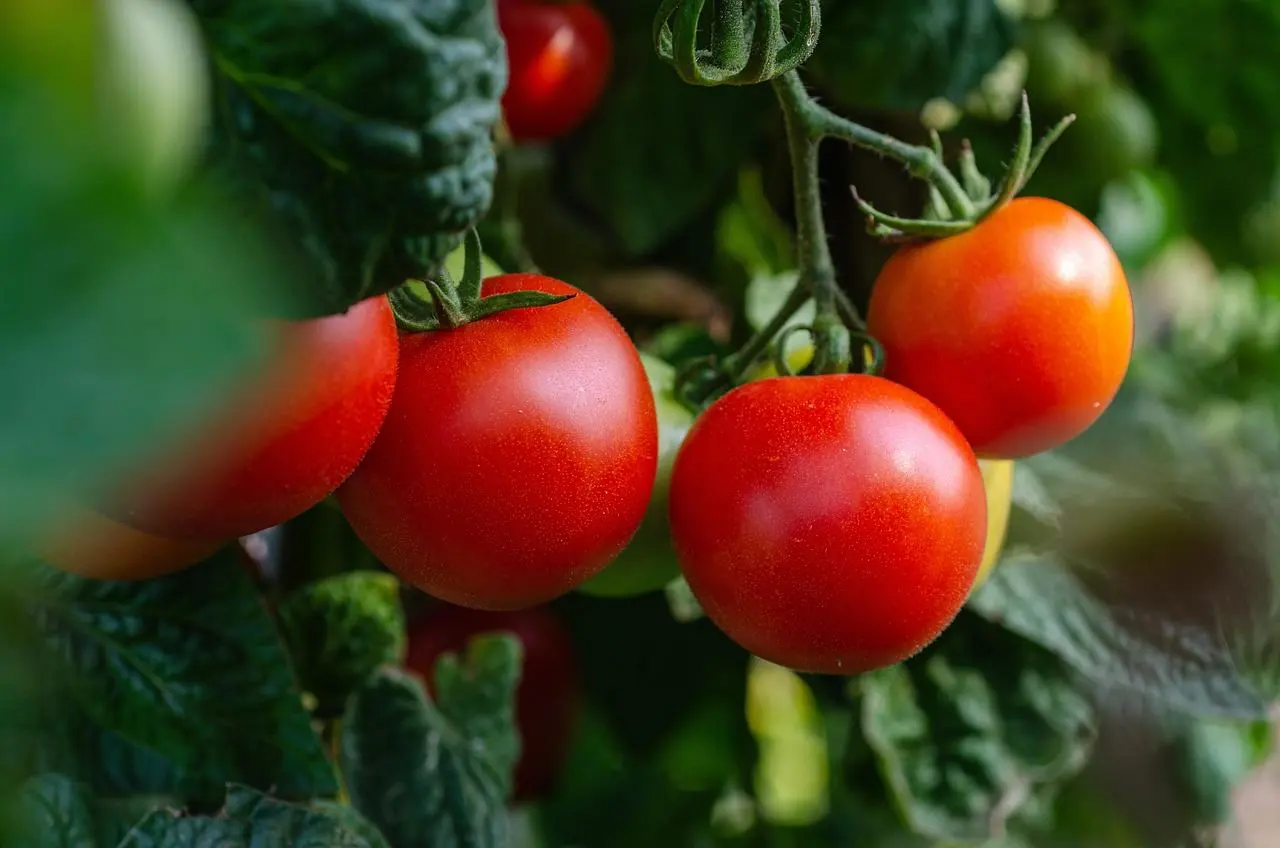
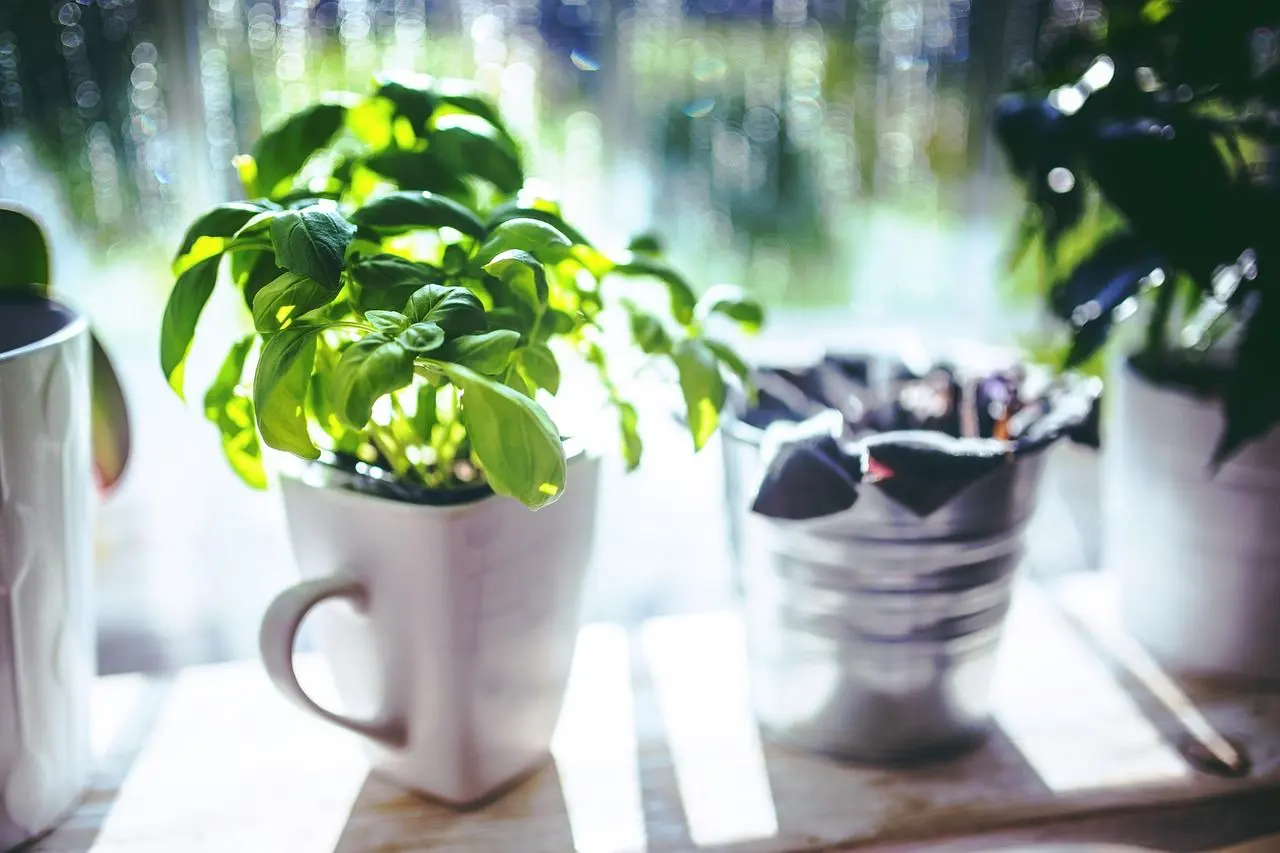
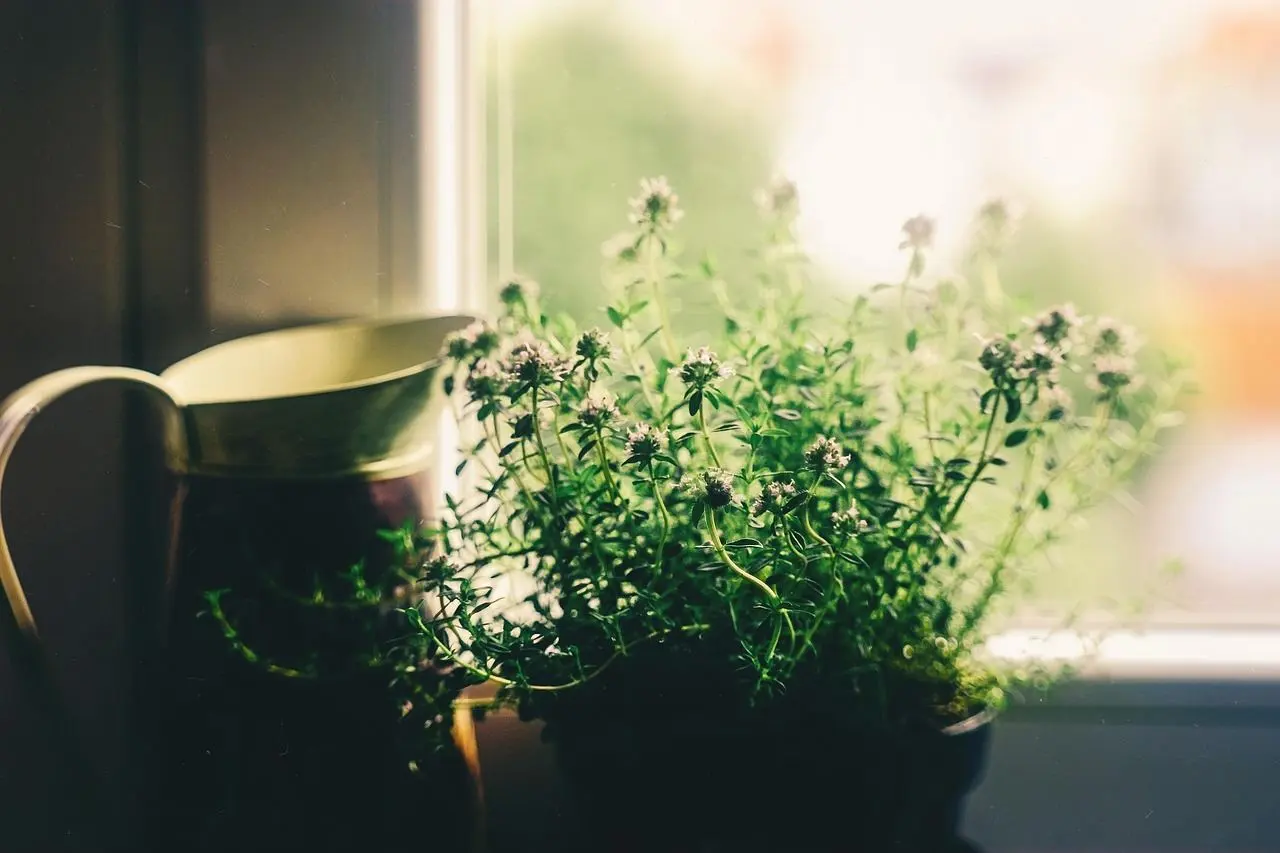
For crop-specific advice, see our guide to growing tomatoes in containers. Small indoor pots dry on their own terms, which we cover in our notes on growing herbs on a windowsill.
Hand watering, drip lines and other methods
How the water arrives affects how much you waste. The UF/IFAS page compares the main options, and several apply to pots:
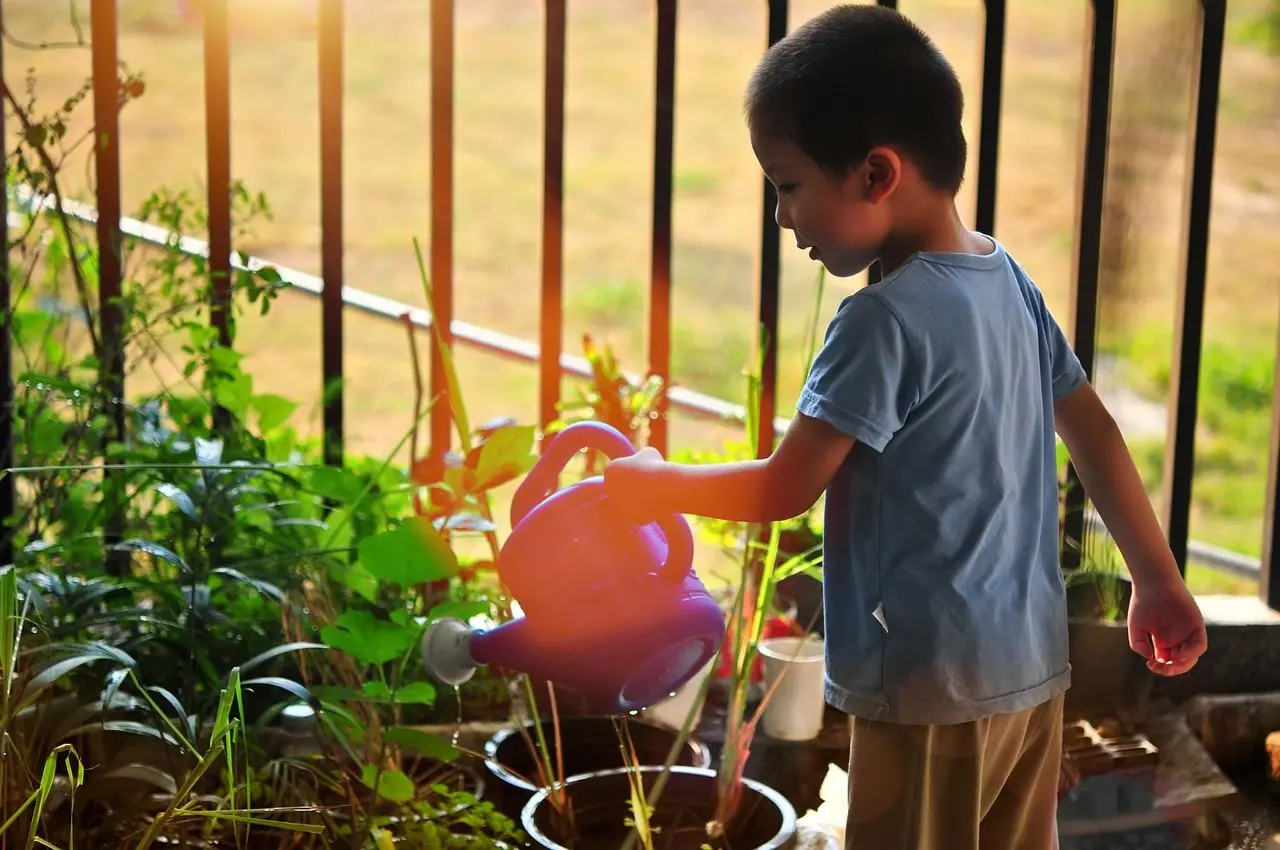
- Hand watering with a can, pail or hose is, in UF/IFAS’s words, especially useful for container gardens because it is easy to see when pots are full.
- Drip irrigation applies water directly to the soil around the roots and can also be used for container-grown plants, though the emitters need periodic checking.
- Soaker hoses are perforated hoses that lose less water to evaporation than overhead systems, but they usually wet foliage and fruit as well as soil.
- Overhead sprinklers are inexpensive but, per the same page, the least efficient way to water, and they can encourage disease.
Aim the water at the soil. Maryland Extension recommends you apply water at the base of the plant, not on the leaves, to help eliminate diseases.
Timing helps too. UF/IFAS gives the best time to water an in-ground vegetable garden as early in the morning, preferably between 4 and 6 a.m., so soil and foliage have time to dry. The same logic suits pots on a patio.
Spotting too much or too little water
Mild wilting is not an emergency. UF/IFAS says plants can curl some leaves and wilt a little without harm, but severe water stress should be prevented. Left dry, plants will stop producing fruit and drop what they have set.
Too much water causes its own damage. The same page warns that soggy roots quickly begin to rot and that overwatering can cause fruit to explode and dilute its flavor.
Maryland Extension names the leading causes of overwatering: too much water, too often, and too little drainage for the excess. Its fixes are practical:
- Empty saucers under the container after watering or after rain.
- Raise pots on pot feet so water can escape.
- Keep drainage holes clear so the water can leave the pot.
Watering and feeding go together
Frequent watering moves nutrients through the mix, so pots need feeding as well. Maryland Extension says long-season crops such as tomato, cucumber, eggplant and pepper may need light feeding every 2 weeks to keep a continuous harvest going.
Use only what the product label allows. The same page warns that too much fertilizer can burn the plant and build up salt in the soil, so always read and follow the label, and ask your local extension office if you are unsure.
Frequently asked questions
Do container plants need water every day?
Show answer
Not by default. Check the soil first and water only when it has dried out, since sun, pot size and plant size all change the pace. Daily watering tends to come up in the hottest stretches of summer.
Why does water run straight through my pot?
Show answer
A gap between the root ball and the pot wall is the usual cause, and it appears after the mix has dried hard. Slow repeated watering, or letting the pot soak in a tub until the surface darkens, helps the mix absorb water again.
Should I leave water standing in the saucer?
Show answer
No. Tip it out once the pot has finished draining, because roots sitting in water invite rot. Raising the pot slightly on feet keeps the base from sitting in a puddle.
Is a wilting plant always thirsty?
Show answer
Not always. A brief droop on a hot afternoon can pass, while a plant that stays limp after watering may have soggy roots instead. Feel the soil before you add more water.