Worried about losing seedlings to a late frost? The answer to when to plant vegetables is to match each crop’s cold tolerance to your area’s last frost date: cool-season crops before it, warm-season crops after it.
This guide sits inside our series on vegetable gardening for beginners, and it focuses on timing.
| Item | Value |
|---|---|
| Median last 32-degree freeze, southern Illinois | April 1-8 |
| Median last 32-degree freeze, central Illinois | April 8-15 |
| Median last 32-degree freeze, northern Illinois | April 8-29 |
| Growing season length, far northern to far southern Illinois | 180 to 215 days |
| Night temperature before transplanting tomatoes (Utah guidance) | Near or above 50 degrees Fahrenheit |
These figures come from Illinois Extension and the USU Extension planting calculator. Frost dates and guidance can change, so check the source before you rely on them.
How do frost dates decide when to plant vegetables?
According to Illinois Extension, planting dates are set by the first and last frost dates and by how long a crop takes to mature. The last spring frost date is the anchor for everything else.
Frost dates are averages, not promises. Illinois frost maps use temperature data from 1991 to 2020 and list the median date of the last 32-degree freeze, as Illinois Extension explains. Some years the final freeze lands well before or after that median.
Location matters even more in mountain states. USU Extension notes that Utah has no single statewide last frost date, and that planting dates there can vary by two or three months because of elevation and local climate.
Cool-season and warm-season vegetables
Cool-season crops grow best in early spring or fall temperatures, and some tolerate frost. Warm-season crops do not grow well in lower temperatures and must go in well after the average last frost date, according to Illinois Extension. Its examples:
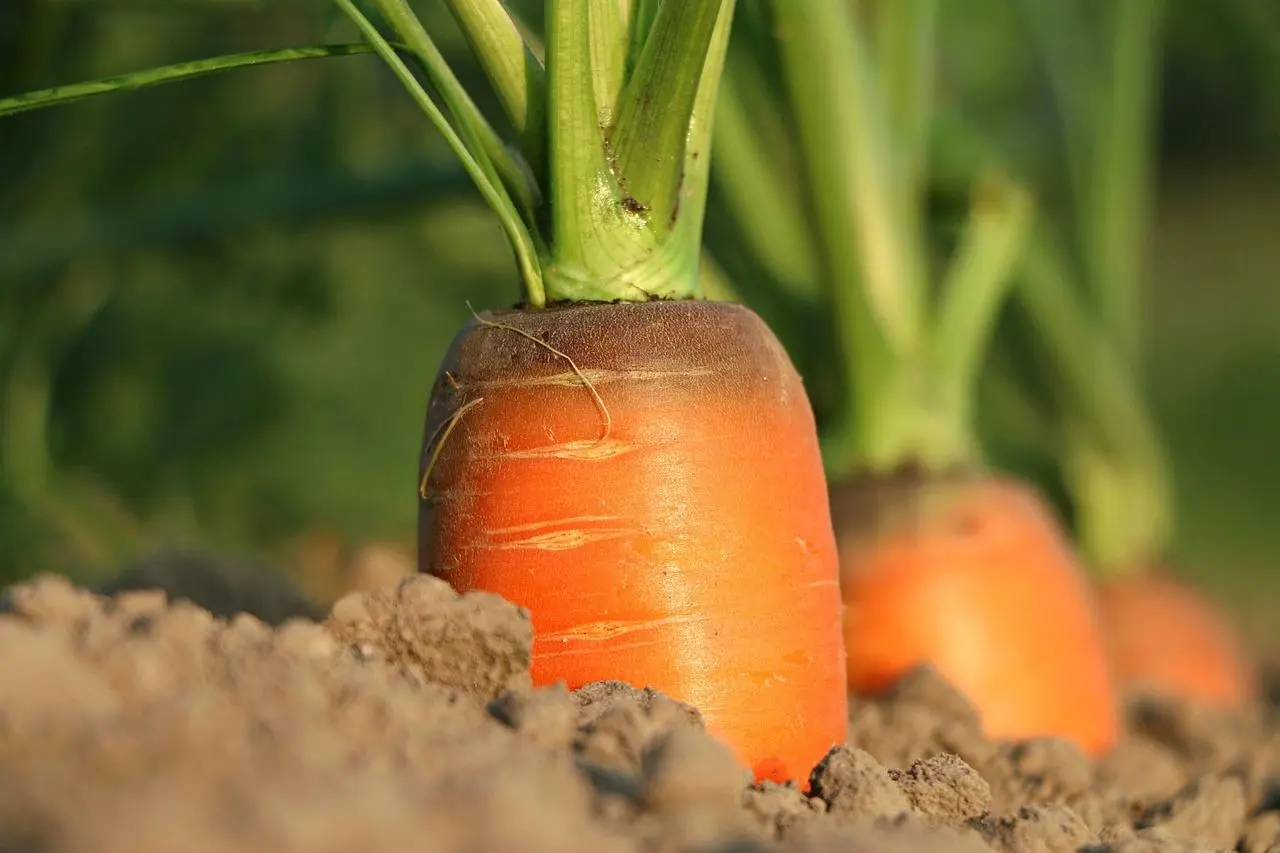
- Cool-season: carrots, broccoli, turnip and radish.
- Warm-season: tomato, peppers, winter squash and cucumber.
Utah splits spring planting into four groups, as laid out in USU Extension’s suggested planting dates:
- Group A, hardy: plant as soon as the soil dries out in spring. Peas, radish, spinach and onions (as seed) fall here.
- Group B, semi-hardy: plant about 2 weeks before the average last spring frost (USU Extension).
- Group C, tender: plant on the average date of the last spring frost.
- Group D, very tender: plant when the soil is warm, about 2 weeks after Group C (USU Extension).
Sources do not always sort a crop the same way. A 2017 Illinois Extension blog post puts tomato among the tender crops, while Utah places it in Group D, so the seed packet or plant tag is the tie-breaker.
That same post, written for an area with an average frost-free date of April 22, gives a handy sequence. Very hardy crops such as onions, peas and potato go out between March 25 and April 10, and frost-tolerant ones such as beet, carrot and radish between April 10 and 25. Tender crops follow between April 25 and May 10, and warm-loving ones such as cucumber, pepper and watermelon between May 10 and June 1.
Planting windows in Illinois and Utah
Illinois Extension lists the median last 32-degree freeze as April 1-8 in southern Illinois, April 8-15 in central Illinois and April 8-29 in northern Illinois. Southern gardeners can generally start crops two weeks earlier than central Illinois, per Illinois Extension. The growing season runs from 180 days in far northern Illinois to 215 days in the far south.
The same page works through Macon County in central Illinois. A cautious gardener, or one growing only warm-season plants, would wait until mid-May, and a common guideline there is to plant after Mother’s Day. A gardener chasing extra growing days might gamble on mid-April, or on mid-March for frost-hardy crops (Illinois Extension).
Utah shows how sharply dates can shift. USU Extension advises choosing the listed city nearest your garden with a similar elevation and climate, since average last frost dates vary widely by city.
Seeds, transplants and working backward
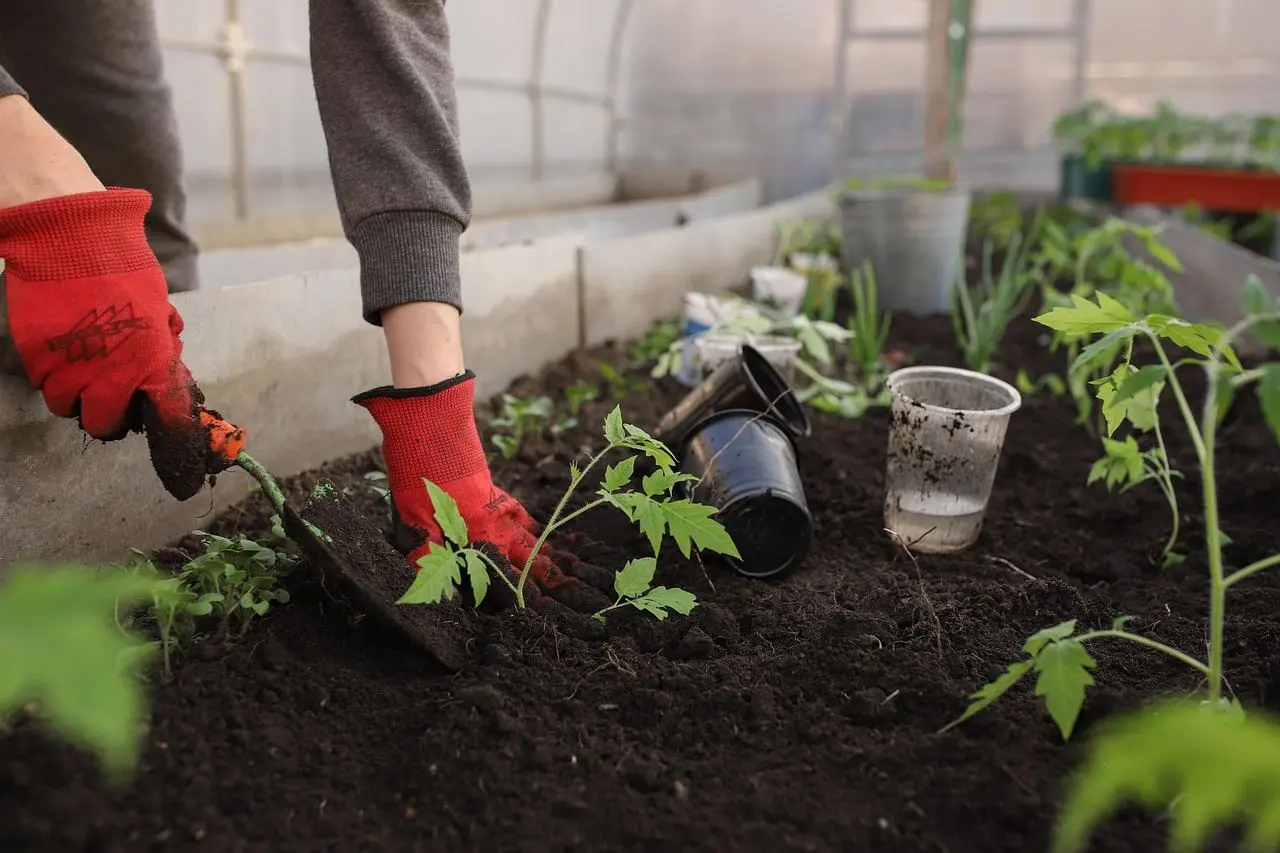
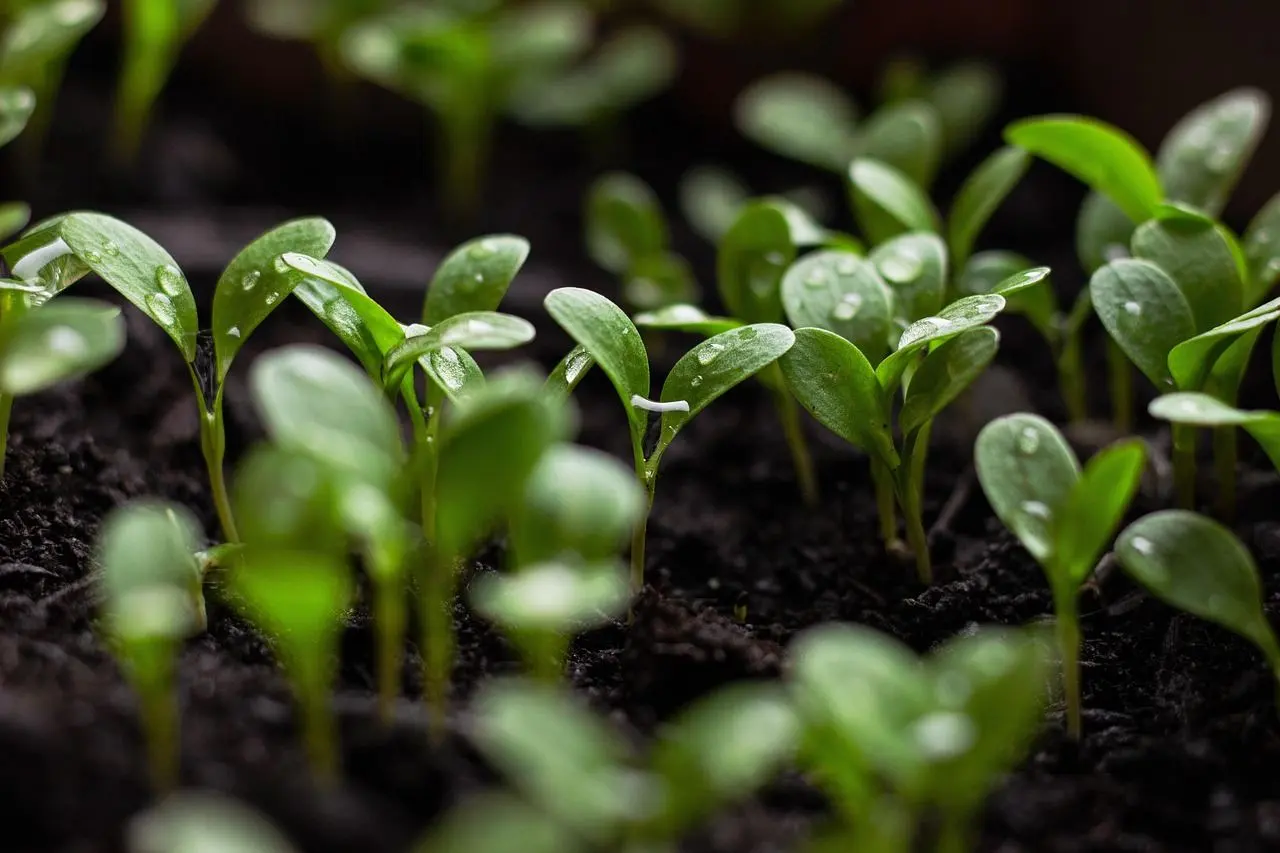
Many vegetables are easier to grow from transplants started indoors several weeks before they go outside, according to USU Extension. Its example: tomatoes are generally sown indoors in early April and planted outside in mid to late May.
Crops that are commonly direct seeded include carrots, peas, beans, corn and radishes. Tomatoes, peppers, eggplant, broccoli and cabbage are often transplanted instead, as the USU planting calculator explains. Summer squash seed sown in warm soil can germinate in 3 days, so the gap between seed and transplant is small for that crop (USU Extension).
Some crops get two windows. In central Illinois, bush beans from seed go in between May 10 and June 15, with a second planting from July 15 to 30, according to Illinois Extension. When a chart shows two date ranges, the crop can be planted for both a summer and a fall harvest.
Checking conditions before you plant
Treat a printed date as a planning estimate. USU Extension advises checking the local forecast, soil conditions and your garden’s microclimate, especially near the edge of a recommended window.
For tomatoes, wait until nights are regularly near or above 50 degrees Fahrenheit, and harden transplants outdoors before planting, per the same USU guidance. A row cover, frost cloth or low tunnel may protect young plants when cold is still possible.
Frost can differ over short distances because of elevation and topography, so USU Extension suggests keeping your own records. A notebook of your own last frost each year beats any regional average.
Once you know your dates, our guide on how to plan a vegetable garden shows how to fit crops into a layout. If you grow in beds, the raised bed vegetable garden page covers that setup.
Frequently asked questions
Can I plant anything before the last frost?
Show answer
Yes. The USU calculator’s FAQ lists peas, spinach, lettuce, radishes, carrots, beets, onions, potatoes, broccoli, cabbage and kale as typical cold-tolerant choices. Young plants may still need cover in a hard freeze.
Should I plant on the exact date a chart gives?
Show answer
No. Per USU Extension, a date is a practical target, and going a few days early or late is often reasonable when conditions are good. Hold off if the soil is waterlogged or unusually cold, or if a damaging freeze is forecast.
Can I grow vegetables in fall too?
Show answer
Yes. USU Extension lists beets, cabbage, kale, lettuce, onion, rutabaga, spinach and turnip among crops suited to a fall harvest.
What if I do not know my local frost date?
Show answer
Look for a frost map or planting calculator from your state’s extension service or climatologist. If your exact town is missing, pick the nearest listed location at a similar elevation, as USU Extension recommends.