Wondering whether a raised bed vegetable garden is worth the lumber and soil? For many yards, yes: beds drain better and warm earlier, though they cost more to build and need watering more often.
If you are brand new to growing food, read our guide to vegetable gardening for beginners first, then come back here to plan your beds.
| Item | Value |
|---|---|
| Soil depth for most annual vegetables | 12 to 18 inches |
| Maximum bed width | four feet |
| Minimum bed height | six inches or taller |
| Compost share of total soil volume | 10-20% |
| Direct sun needed | at least six hours daily |
These figures come from the UConn Home Garden Education Center (April 2026) and UNH Extension (March 2019). Guidance can change, so check the sources before you rely on them.
Benefits of a raised bed vegetable garden
UNH Extension’s March 2019 answer says raised beds are often more productive than in-ground beds because the soil is less compacted, drains better and warms earlier in spring. That earlier warming lets plants start growing sooner in the season.
Both extension pages point to further practical advantages:
- Easier upkeep, particularly for people with limited mobility, and generally less perennial weed pressure (UNH, March 2019).
- A usable growing area on compacted or poorly drained ground, or where the soil is contaminated, when you choose a framed bed (UConn, April 2026).
- Beds that can be built elevated or deeper for gardeners who use wheelchairs or find bending difficult (UConn, April 2026).
Small plots gain a lot. UNH calls raised beds a great option for pretty much any garden situation, especially where space is limited.
Drawbacks to weigh before you build
UNH Extension names two main disadvantages in its March 2019 answer: beds tend to need more frequent irrigation, and construction has a high initial cost.
Soil is a big part of that bill. UConn’s April 2026 page warns that filling a framed bed can take a large amount of material and may be costly, depending on the size of the bed.
Mounded beds trade cost for upkeep. They are not tilled, foot traffic compacts the mound, and they may need to be reshaped or re-mounded every year, according to the same UConn page.
A few choices keep the cost down without cutting corners:
- Blend compost into soil from your own property instead of buying ready-made blends, an option UNH Extension describes.
- Use bricks, rocks, cinder blocks or plastic decking for the sides, which UNH lists among worthy materials.
- Build one bed first and see how much watering and soil it really takes before adding more.
Framed or mounded: which style fits your site?
UConn’s April 2026 page describes a spectrum, from framed boxes above ground to unframed, elevated planting mounds. Each type has its own considerations.
Mounded beds
A mounded bed works well on compacted sites, in poorly drained areas and on heavy clay, per the same UConn page. You can build it from soil already on site by mounding soil from the paths or edges, or bring in topsoil and compost. Any imported material should be free of pathogens, contaminants and invasive weeds.
Framed beds
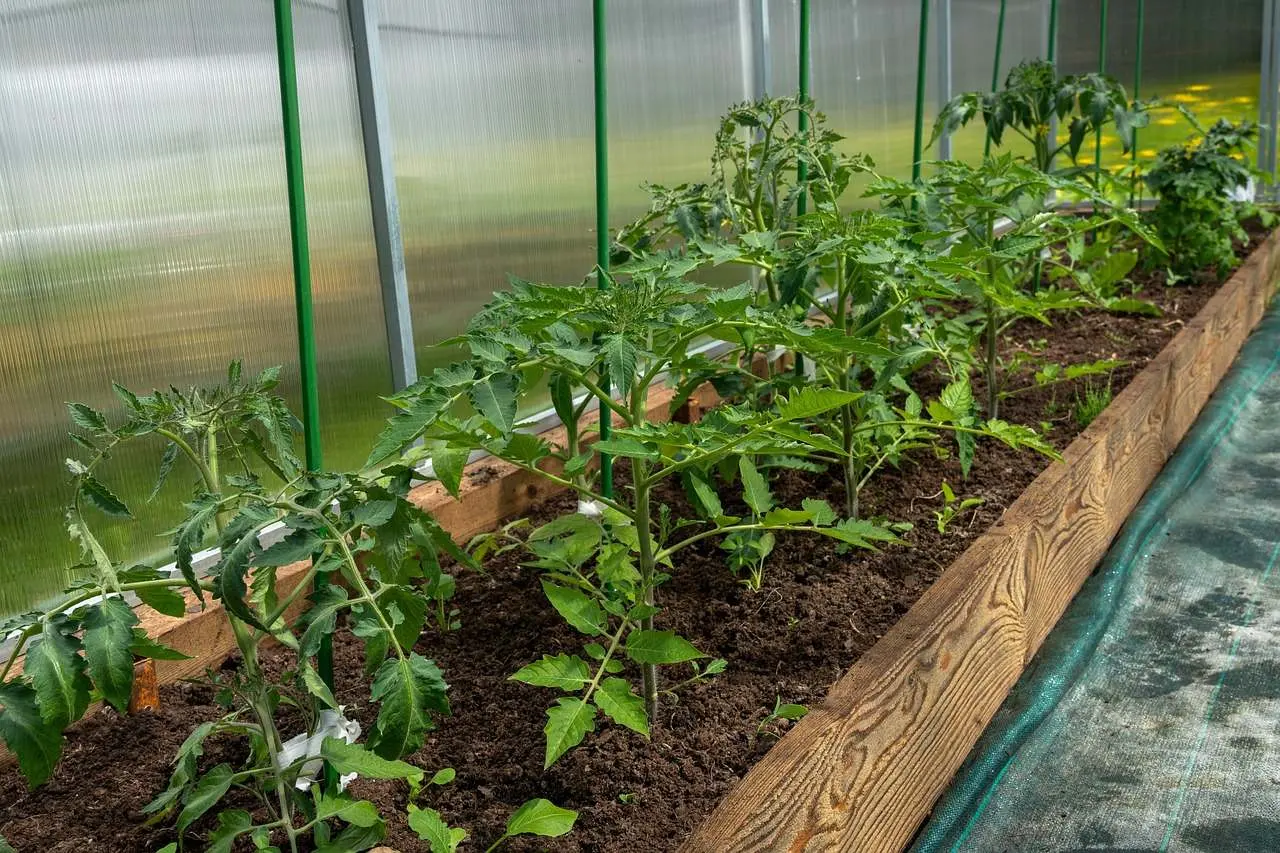
A framed bed is more contained than an in-ground bed and can be made of wood, metal or pavers, says UConn. It suits compacted or poorly drained sites, contaminated soil and gardens designed for people with limited mobility. You can buy prefabricated wood or metal beds or build your own from lumber.
Materials and soil mix for raised beds
For wood, cedar is often preferred over pine because it lasts longer, although it costs more, according to UConn. UNH Extension adds oak and locust to the list of untreated, rot-resistant options.
Treated lumber is the sticking point. UConn notes that before 2004, pressure-treated lumber was treated with copper, chromium and arsenic, which could leach into the soil, and it advises untreated or naturally rot-resistant materials whenever possible (UConn, April 2026).
For the fill, UConn suggests about one-half to two-thirds topsoil and one-third to one-half aged compost in framed beds. UNH is more conservative: compost ideally makes up 10-20% of the total soil volume, and organic matter should stay at no more than 50% (UNH, March 2019).
Because the two ranges differ, treat them as starting points and ask your local extension office what suits your soil.
Raised bed layouts: depth, width, spacing and sun
Depth decides which crops you can grow. UConn says most annual vegetables need 12 to 18 inches of soil, root vegetables need more, and framed beds can run from a few inches up to 2 feet. UNH says to aim for six inches or taller, noting that many crops grow best with at least a foot of soil.
Width is about reach. UNH recommends no more than four feet so you can reach the center without stepping on the soil, while UConn suggests about an arm’s length for easy planting, harvesting and weeding. Once the width is right, the bed can be any shape and length you like.

Use this checklist when you mark out the beds:
- Choose a spot that gets at least six hours of direct sun daily (UNH).
- Site the beds near the house or close to a water source, since that makes irrigation easier.
- If you build several beds, leave paths wide enough for travel, harvest and upkeep.
- Match depth to your crops, going deeper for root vegetables.
Once the frame and soil are ready, check when to plant vegetables in your area so the first sowing lands at the right time. If you want a head start, learn how to start seeds indoors and move the seedlings into the bed.
Frequently asked questions
Can I build a raised bed straight over grass?
Show answer
Yes, with a mounded bed. UConn’s April 2026 page suggests laying cardboard under the soil to smother the lawn, then leaving it a few months to break down so roots can grow through to the ground below.
Can I use pressure-treated or reclaimed wood?
Show answer
Use caution. UConn says pressure-treated wood should be labeled for ground contact, and UNH Extension says thick plastic can line a bed built from treated lumber to separate the soil from the wood.
Can I fill a bed with potting mix alone?
Show answer
Most vegetables grow well in soilless potting mix, but UNH (March 2019) says filling a whole bed with it is often prohibitively expensive. Most gardeners blend quality garden soil with compost instead (UNH Extension).
Do raised beds still need a soil test?
Show answer
UNH says testing is always a good idea so the right amendments go in, just as for in-ground plots. For mounded beds, UConn mentions testing every two to three years and adding amendments as needed (UConn, April 2026).