Staring at a patch of lawn and wondering where to begin? How to plan a vegetable garden comes down to a sunny, well-drained site, a small first size and crops you will actually eat.
If you are new to growing food, the guide to vegetable gardening for beginners covers the wider basics.
| Planning item | Value |
|---|---|
| Direct sun for most vegetables | At least 6 hours a day |
| Good starter garden size | 25 to 50 square feet |
| Widest bed for access from all sides | 4 feet |
| Wait before repeating a plant family in one spot | 3 to 4 years |
| Smallest recommended container diameter | At least 10 inches |
These figures come from University of Maryland Extension and Iowa State Extension guidance and can change, so check the source before you rely on them.
Where should you put a vegetable garden?
Location comes first. Rutgers Extension advises choosing a site with full sun, good drainage and no standing water, even after the heaviest rain.
Most vegetables need at least 6 hours of direct sun a day, and University of Maryland Extension adds that no tall objects or trees should block the light on the south side. Watch the spot at different times of day before you commit to it.
Sun needs differ by crop. According to Rutgers, leafy vegetables such as lettuce and spinach manage on only 4 to 5 hours, root vegetables want 5 to 6 hours, and fruiting crops such as tomatoes, cucumbers and zucchini need at least 8 hours.
UW-Madison Extension lists several more site checks:
- Water should not puddle or rush through the area during heavy rain.
- Stay out of low spots where frost can settle in late spring or early fall, and off steep slopes where runoff could occur.
- Choose a spot with a convenient water source, such as a hose, for dry spells.
- Keep clear of the root zone of black walnut trees, which produce juglones that interfere with the growth of many vegetables.
- Confirm there are no underground utility lines where you plan to dig.
UGA Extension offers a simple reality check: if weeds will not grow in an area, vegetables probably will not grow there either. A patch that supports sturdy, dark green weeds is usually a promising place to start.
How big should your first vegetable garden be?
Start smaller than you think you need. University of Maryland Extension calls 25 to 50 square feet a good starter size and says you can expand as you gain experience.
Iowa State Extension describes around 100 square feet as manageable, and notes that many new gardeners do better starting even smaller, such as 4×8 feet. You can make the plot bigger next year once you know the time and resources it demands.
Size should also match your time. Vegetable gardens need at least a small amount of daily attention, according to the University of Maryland guide, for planting, staking, weeding and harvesting.

Choosing between in-ground beds, raised beds and containers
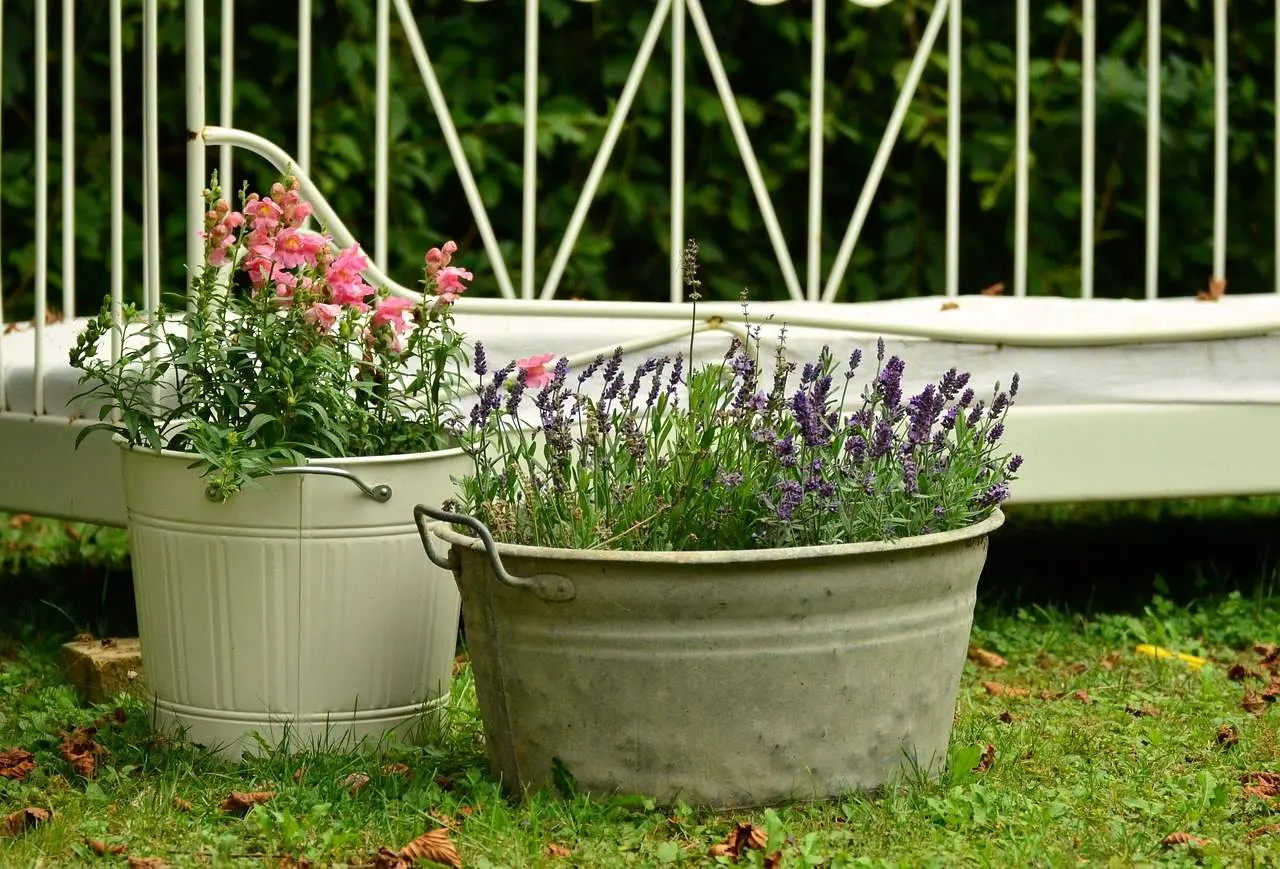
University of Maryland Extension says vegetables and herbs can be grown in containers, raised beds or at-grade beds. Each has a different trade-off:
- Containers can be inexpensive and fit on decks and balconies.
- Raised beds drain well and do not get compacted, but they need some upfront labor and materials costs.
- In-ground beds are flexible and inexpensive to set up, though converting lawn takes extra work and weeding may be heavier.
For raised beds, Iowa State Extension recommends a width of 3 to 4 feet, and says any bed should be no wider than 4 feet so you can reach it from all sides. Raised beds also warm up and dry out faster in spring, which allows earlier planting.
If you only have a patio, the same source suggests containers at least 10 inches in diameter filled with potting soil rather than garden soil. Choose dwarf or compact varieties for the best results.
Picking crops that fit your space and season
Grow what you like to eat, and begin with a short list. UW-Madison Extension names beans, beets, herbs, lettuce, onions, potatoes, radishes, squash and tomatoes as good options for first-time gardeners.
Iowa State Extension lists tomatoes, peppers, green beans, potatoes and zucchini as easy to grow. It also splits crops into two groups:
- Cool-season vegetables thrive in cooler temperatures and can tolerate light frost, with some surviving light freezes. Lettuce, radish, peas, broccoli and kale are examples.
- Warm-season vegetables prefer warmth and are not frost-tolerant, so freezing temperatures can damage them. Tomatoes, peppers, squash, sweet corn and melons are examples.
Space and speed matter too. Illinois Extension notes that radishes, turnips and beets need less room and yield quickly, while tomatoes, bush green beans, squash and peppers need more room but produce for longer.
Once your list is ready, the guide on when to plant vegetables helps you match each crop to your local calendar. If you also want fruit, the page on how to grow strawberries covers that crop.
When you buy transplants, the same Illinois Extension post says to avoid plants that are tall, yellow and spindly.
Laying out the plan on paper
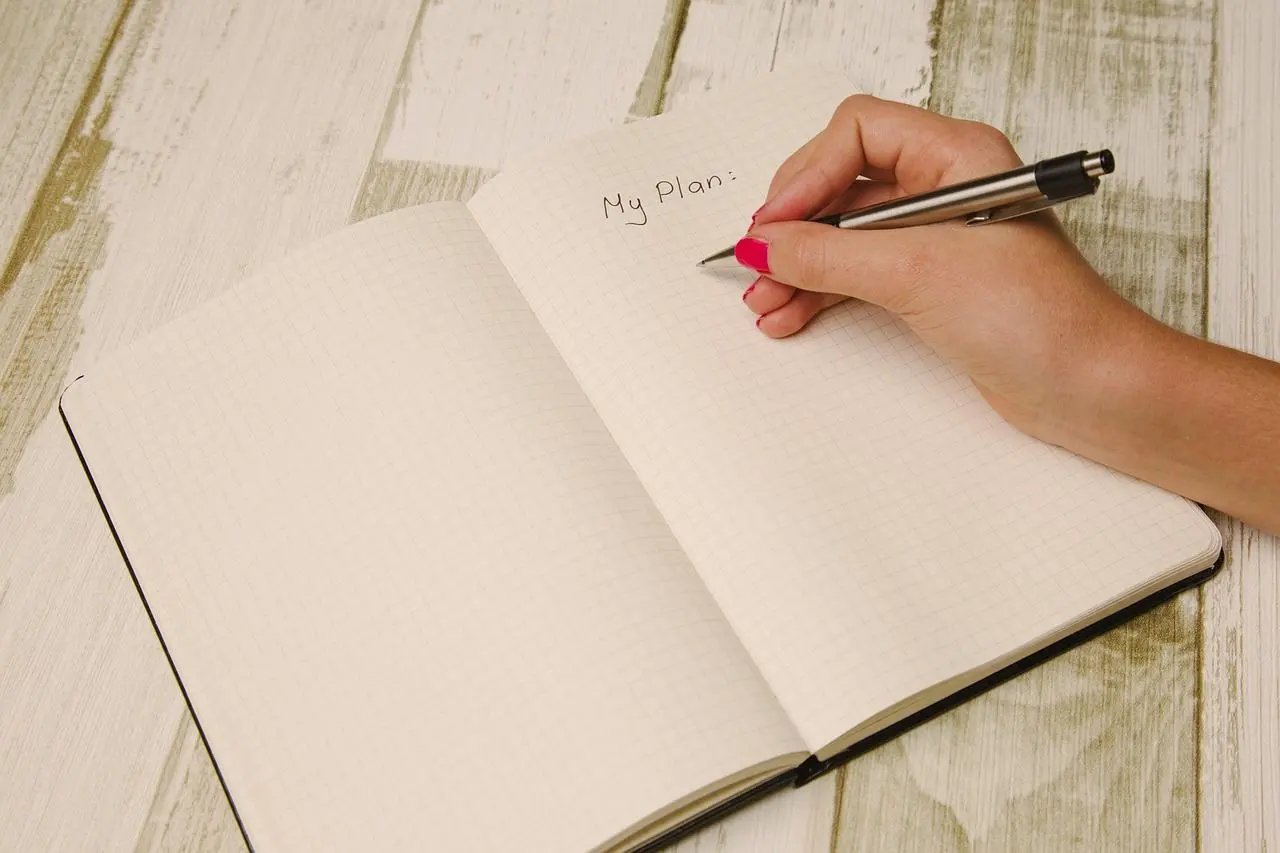
A sketch saves time and prevents crowding. UW-Madison Extension suggests drawing a map to scale on graph paper to be sure you have enough space for your plants.
- Give each crop its own space, based on how large it will grow.
- Include aisles or paths so every area is reachable for watering, weeding and harvesting.
- Put tall crops such as corn and tomatoes on the north side so they do not shade shorter plants.
- Grow sprawling or climbing crops, such as cucumbers, up a trellis to save ground space.
- Plan a second crop for spots that clear early, for example summer crops after lettuce or radishes.
These steps draw on advice from University of Maryland Extension and Illinois Extension. Seed packets give the spacing and row details you need to finish the map.
Plan crop rotation as well. Iowa State Extension says to avoid planting the same family in the same spot for 3 to 4 years, because many soil-borne diseases persist for years.
Plants in one family share pests, so Illinois Extension gives the Solanaceae family, which includes eggplants, peppers, potatoes and tomatoes, as an example. Keep notes each season, as University of Maryland Extension recommends, so next year’s rotation is easy to plan.
Preparing the soil before you plant
Ideally, start preparing the site the year before planting, says UW-Madison Extension. Remove grass first, then smother what remains with cardboard, a tarp or black plastic.
Once the area is clear, work in a two to three inch layer of compost at least a month before planting. The same source says compost helps sandy soils hold more moisture and nutrients and makes clay soils lighter and better drained.
A soil test shows your soil type, pH, organic matter and phosphorous and potassium levels. The optimal pH for a vegetable garden is around 6.5, and most vegetables grow very well anywhere between 6.0 and 7.2, per the UW-Madison article.
If you grow directly in the ground, University of Maryland Extension also wants the test to confirm the soil is safe for food, measuring less than 400 parts per million of lead. For any amendment or fertiliser, follow the lab’s recommendations, the product label and your local extension guidance.
Frequently asked questions
Can you grow vegetables in a shady yard?
Show answer
Only to a degree. Rutgers Extension says no vegetables can grow in total shade. If part of your plot must be shaded, UGA Extension suggests putting lettuce, cabbage, broccoli or kale there.
Is it too late to test the soil once seeds are in?
Show answer
Not necessarily. UW-Madison Extension says you can send a sample later and still make amendments, although fixing soil after planting is more challenging.
Do you need a fence?
Show answer
It depends on local wildlife. University of Maryland Extension advises building a deer fence before the first crops go in if deer live in your area.
Why does a crop stop producing?
Show answer
Every crop has a harvest period. The University of Maryland guide gives bush beans as an example: the plants produce for about three weeks before declining naturally.