Worried you’re drowning your plants or leaving them thirsty? The short answer on how to water a vegetable garden: soak the soil deeply, less often, and check moisture before watering again.
This guide is part of our series on vegetable gardening for beginners, and it covers the watering basics.
| Item | Value |
|---|---|
| Weekly water for most gardens | About one inch per week, excluding rainfall |
| Hot weather or deep sandy soil | Up to two inches per week |
| Typical split of that water | One half inch, twice a week |
| Soil check with a finger or trowel | About 2-3 inches down |
| Seedling soil to keep moist | Top three to four inches |
| Container plants in summer | Likely every day |
These figures come from NC State Extension’s Wilkes County center and its Pender County center. Guidance can change and local conditions differ, so check the sources and your own extension office before you rely on them.
How much water does a vegetable garden need?
Most vegetable gardens need about one inch of water per week, not counting rainfall, according to NC State Extension in Wilkes County. That works out to about two-thirds of a gallon per square foot of garden space. For a 10×10 garden, the same page puts the total at around 66 gallons per week.
To measure what your sprinkler or hose delivers, set a straight-sided container such as an empty tuna can in the bed. Run the water and time how long it takes to reach a depth of one inch, as the Wilkes County page describes. That time is how long you water in a dry week.
A second extension page, from Pender County, agrees on at least one inch of water per week from rain or irrigation during the growing season. It adds that deep, sandy soil or a heat wave can push the need up to two inches per week. It suggests splitting the water into one half inch, twice a week, and says very sandy soils often need three applications per week.
Water deeply and check the soil first
Depth matters more than minutes on the timer. University of Nevada Extension notes that most vegetable roots go down 6 to 12 inches. Long-season crops such as tomato, corn, squash and melon can reach 24 inches or more, so a light surface sprinkle leaves them short.
You can test how far the water went by pushing a metal rod or screwdriver into the ground after watering, the Nevada publication explains. It stops when it meets dry soil, and the length that went in shows the wetted depth.
Before you water, pick whichever of these soil checks suits you:
- Dig down about 2-3 inches with a finger or trowel. If the soil is still moist there, your plants probably don’t need more yet (Wilkes County).
- Dig into the soil about three to four inches and try to work it into a ball. Soil that barely holds together needs water, while soil that holds together easily does not (University of Nevada).
- Check 30 minutes to an hour after watering by digging a hole six to eight inches deep. Dry soil at the bottom means water some more, and soaking wet soil means you watered too much (Pender County).
More water is not automatically better. Overwatering can cause root rot, fungal diseases and weak, shallow roots, and soil that feels soggy, smells musty or stays wet for hours after watering is a warning sign, per Wilkes County. Pender County adds that roots need air as well as water to survive.
If you’re unsure, Wilkes County says it’s better to water deeply and less often than to give the garden a quick sprinkle every day.
When is the best time of day to water?
Early morning or late evening are generally best, especially during a summer heat wave, according to NC State Extension. Morning watering lets moisture soak in and the foliage dry off before nightfall, which helps prevent fungal diseases.
Mid-afternoon is the weak spot. When the sun is at its highest and hottest, watering often leads to increased evaporation, which wastes water and may stress your plants, the same page says.
Weather sets the pace too. Plants take up more water, and the soil surface loses it faster, in hot, windy and dry conditions, as University of Nevada Extension points out. Spring crops therefore usually need less frequent irrigation than summer crops.
Choosing a watering method
The best way to water is to apply it to the soil with a soaker hose or drip system, says Pender County Extension. Here is how the common options compare:
- Soaker hoses lay flat on the soil and slowly release water at the root zone. They are inexpensive but clog easily and usually last only a few seasons (Pender County).
- Drip irrigation is the most efficient method of water delivery, per University of Nevada Extension, and works well in sandy soils and on slopes.
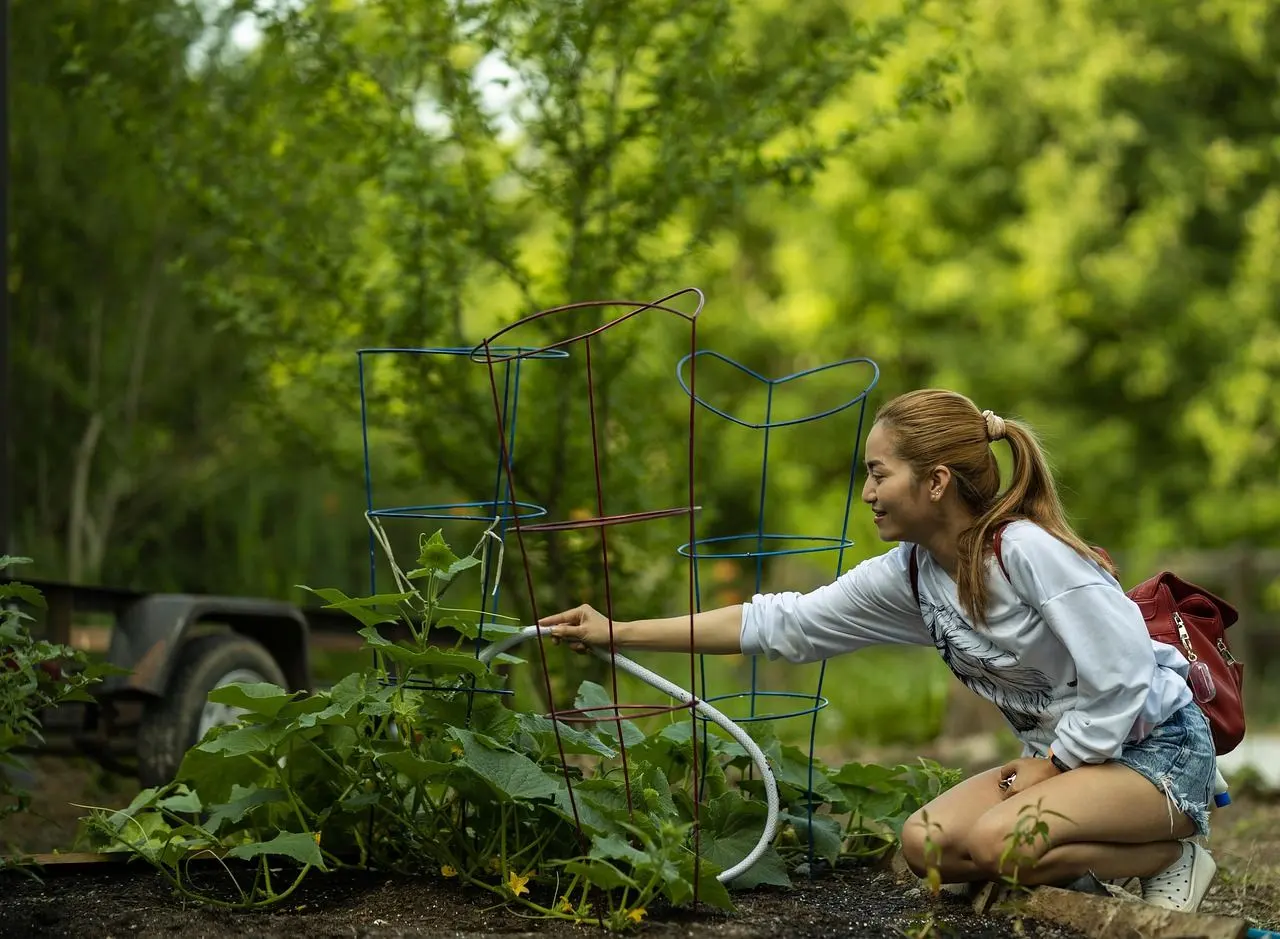
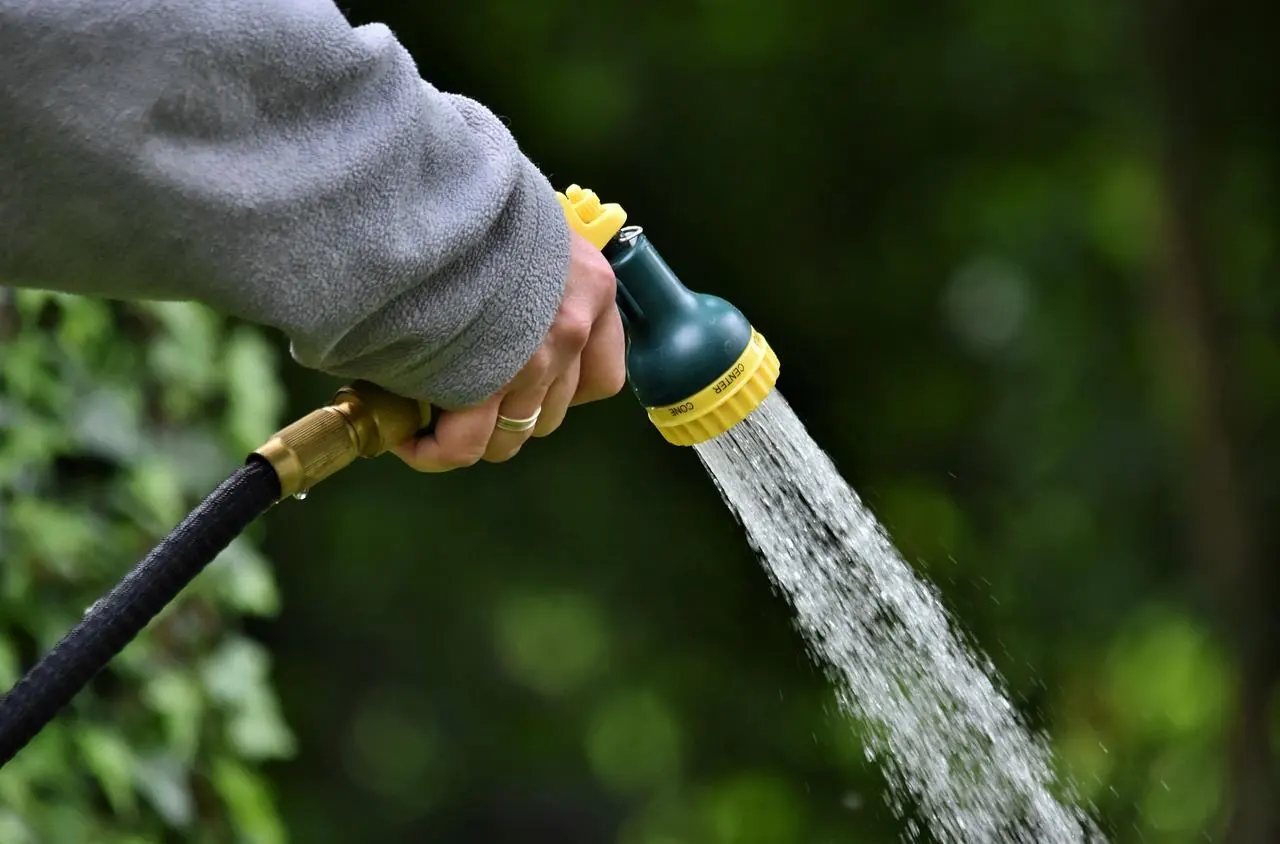
- Hand watering suits starting seeds and containers. Water at the base of the plants to cut soil splash and foliar disease risk (Wilkes County).
- Overhead sprinklers are convenient for larger areas but waste water through evaporation and wet the foliage more than necessary.
Drip kits cost more at first, yet Pender County calls them more reliable and cost effective over the long run. Its page also describes a low-cost slow option: drill several holes in the bottom of a 2 liter bottle, bury the bottom third beside a large plant such as a tomato, and fill the bottle.
A timer keeps watering regular when you’re busy. Just remember to pause it during rainy weeks so you’re not doubling up, advises Wilkes County.
Adjusting for soil, seedlings, containers and herbs
Soil texture changes how often you water. Sandy soils drain quickly and need frequent watering, while silty or clayey soils hold more water, according to University of Nevada Extension. In clay, water can pool and run off before it reaches deeper roots, so slow delivery helps.
Seeds and new transplants are the thirstiest stage. Pender County advises keeping the top three to four inches of soil moist until seedlings reach four to five inches in height, which may mean daily watering on hot, sunny days. Fruiting crops also need steady water from bloom until harvest is complete.
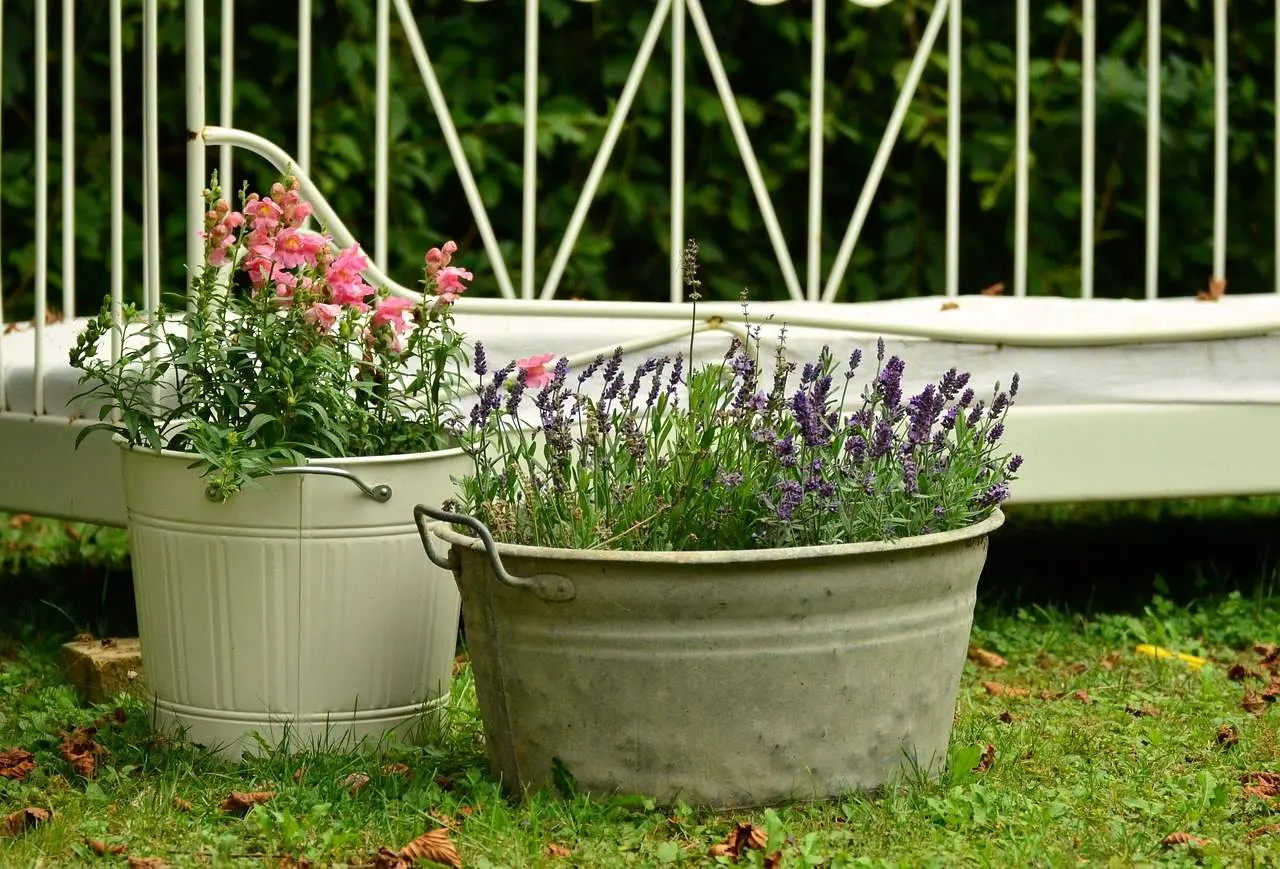
Pots dry out fast. Container plants will likely need water every day during summer but only once or twice a week during winter and spring (Pender County). A pot holds a limited root volume of soil, so once the water drains out, the plant can’t reach it, notes University of Nevada Extension.
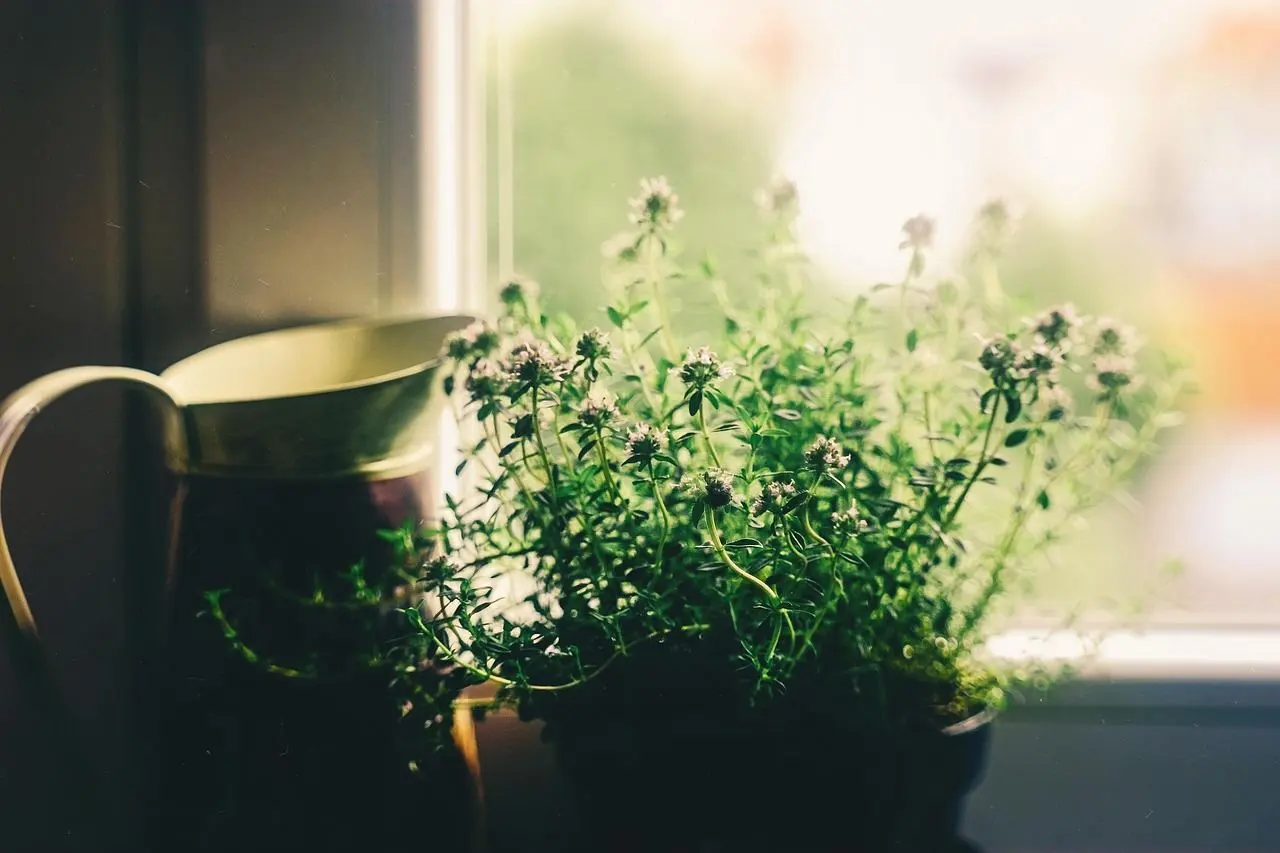
Herbs are not all alike. Perennial herbs such as oregano, thyme and rosemary need less water than vegetables, and overwatering reduces their flavor intensity and can kill them (Pender County). The guide on how to grow herbs at home goes further into their care.
You can also lower water needs with mulch. Leaves, straw or bark mulch reduce water needs and help control weeds, and compost mixed into the soil helps it hold water and nutrients, per Pender County. Sun and wind also affect how fast beds dry, so it helps to read about how much sun do vegetables need when you place thirsty crops.
Frequently asked questions
Can I water my vegetable garden every day?
Show answer
For established plants, a daily sprinkle is usually the wrong approach, because shallow watering encourages weak roots. Seedlings, containers and very hot days are the exceptions, and the soil checks above tell you when a plant is ready for more.
Should I skip watering after it rains?
Show answer
Often yes. Rain counts toward the weekly total, so a rain gauge or straight-sided can in the bed shows how much arrived (Wilkes County). Dig into the soil before you turn the hose back on.
Is a soaker hose or drip system better for beginners?
Show answer
Nevada’s extension service calls soaker hoses easy for the beginning gardener, since water seeps along the whole hose straight to the roots (University of Nevada). Drip systems take more setup but pay off over time.
Does clay or sandy soil need different watering?
Show answer
Yes. Sandy soil empties quickly and calls for more frequent watering, while clay drains so slowly that water can run off if you apply it too fast (University of Nevada). A slower method such as drip suits clay better than a strong spray.