Wondering how to grow herbs at home without a big garden? Give them plenty of direct sun, loose well-drained soil and modest watering, and most will thrive in beds or pots.
If you are new to growing food, the vegetable gardening for beginners guide covers the wider basics.
| Item | Value |
|---|---|
| Direct sunlight | At least 6 hours a day |
| Starting seeds indoors | 6 to 8 weeks before the average last frost date |
| Bed digging depth | 12 inches or more |
| Watering in beds | Commonly a thorough watering once a week |
| Seed sowing depth | Twice the seed’s diameter |
| Annual parsley-family herbs, seed to maturity | Two to three months |
These figures come from Harvest to Table’s herb guide. Local frost dates, climate and plant varieties vary, and guidance can change, so check the source before you rely on the numbers.
Which herbs should you grow first?
Start with the herbs you actually cook with. Gardener’s Path suggests picking plants around the cuisine you make most often, which keeps every plant useful.
- Italian: basil, bay, fennel, garlic, oregano, parsley, rosemary, sage and thyme.
- Mexican: chili peppers, cilantro, mint, oregano, parsley and thyme.
Knowing plant families helps you group herbs that like the same conditions. University of Minnesota Extension guidance, republished by Fresh Fruit Portal, says many culinary herbs belong to the mint family or the carrot family.
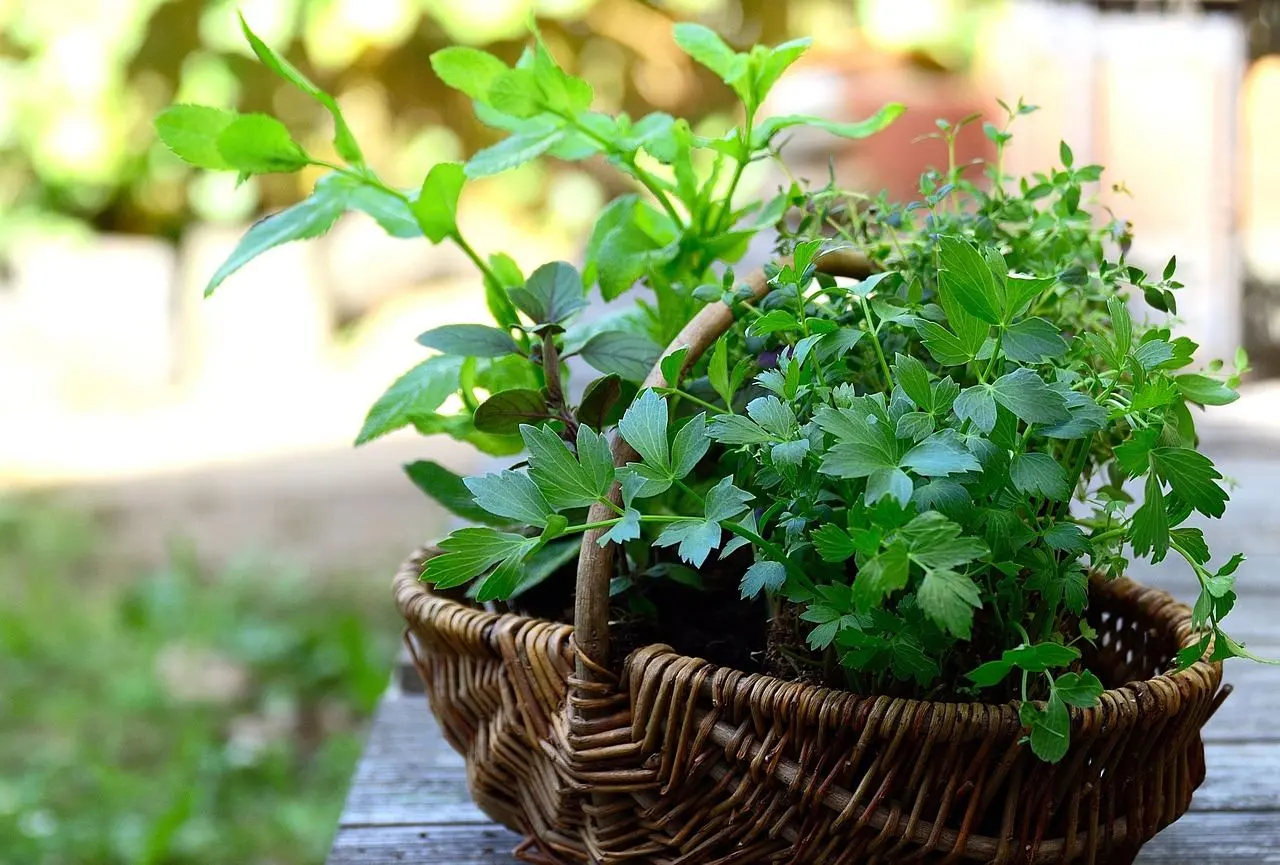
The mint family includes basil, oregano, marjoram, rosemary, thyme, lavender and sage, and most of these tolerate some heat and dry soil. The carrot family covers dill, parsley, chervil, cilantro, fennel and lovage, which have an upright, leggy habit and want moister conditions and deeper, looser soil. The same source warns that hardy perennials in the mint family can become invasive, especially mints.
Life span matters too, because it decides whether you replant each year. Harvest to Table sorts common herbs into three groups:
- Annuals live for one season and include basil, summer savory, borage and sweet marjoram.
- Biennials such as parsley flower in the second year, though you can harvest their leaves in the first.
- Perennials such as rosemary, tarragon and thyme live for several years, and are quite hardy except for tarragon and rosemary.
Choosing a spot and preparing the soil
Sun is the first thing to get right. Most herbs need at least 6 hours of sunlight a day, according to Harvest to Table. Where summer is very hot, the same guide says herbs benefit from high shade or filtered light around midday.
Herbs prefer well-drained, loose soil that is not too rich. Loam is ideal, clay holds too much moisture and sandy soil drains too fast, and leaf mold or aged compost can improve either of those. Herbs also grow best with a neutral soil pH, so a soil test is a sensible step if you are unsure.
To prepare a bed, Harvest to Table describes this order of work:
- Turn the soil to a depth of 12 inches or more.
- Break up any large clods.
- Mix organic matter across the planting area.
- Rake the surface smooth.
Many herbs are native to hot, dry regions, so there is no need to enrich the bed heavily. Pull weeds early, because they compete with young herbs for water and nutrients.
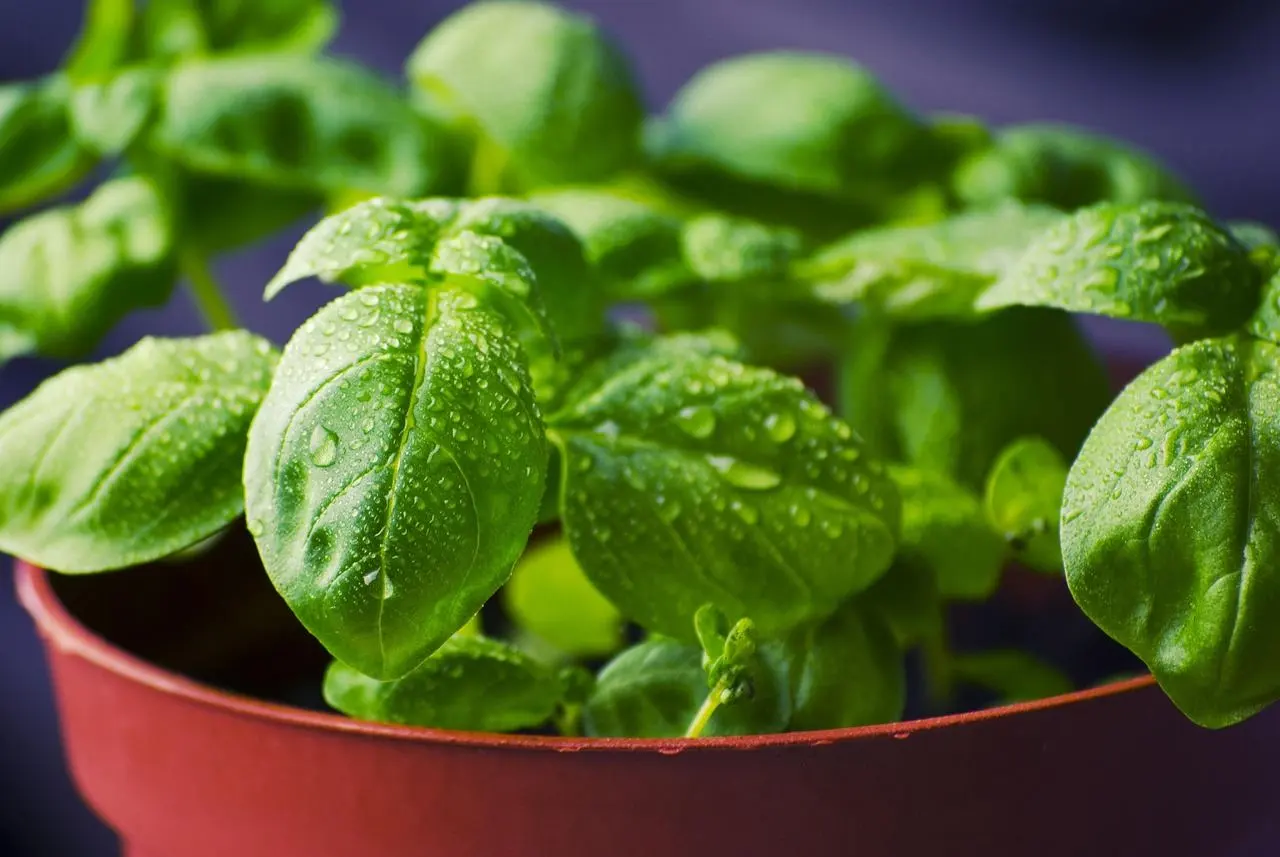
Planting herbs from seed and transplants
Timing depends on how hardy and how fast-growing a herb is. You can start seeds indoors 6 to 8 weeks before the average last frost and move seedlings out a week or two after that frost, per Harvest to Table. Starting too early gives spindly, weak plants.
Fast annuals can wait a little longer indoors. Gardener’s Path says you can start seeds about six weeks before your last frost, or sow directly in pots once spring temperatures warm up. For outdoor beds, sow after all danger of frost is past.
For seed sowing, Harvest to Table gives these steps:
- Sow seeds at a depth of about twice their diameter.
- Scatter very small seeds on the surface and cover them lightly with finely sifted soil.
- Firm the soil and moisten it with a fine spray.
- Keep the soil moist but not soggy until the seeds sprout.
- Thin seedlings when two true leaves develop, removing the smaller, weaker ones.
Bought transplants need gentle handling. Leave a clump of soil around the roots, water after planting so roots make good contact with the soil, and choose an overcast, windless day if you can. A layer of organic mulch afterwards helps hold moisture in the soil.
Growing herbs in containers
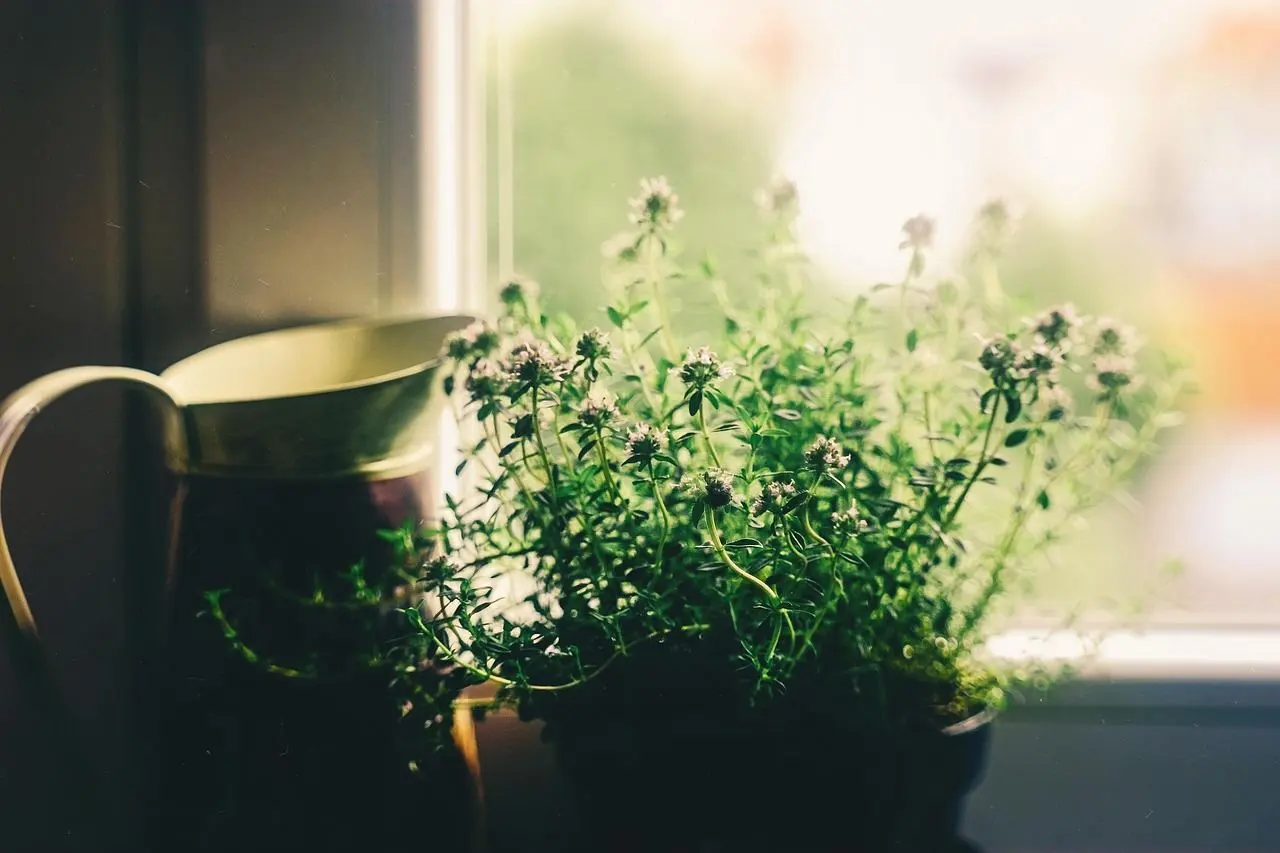
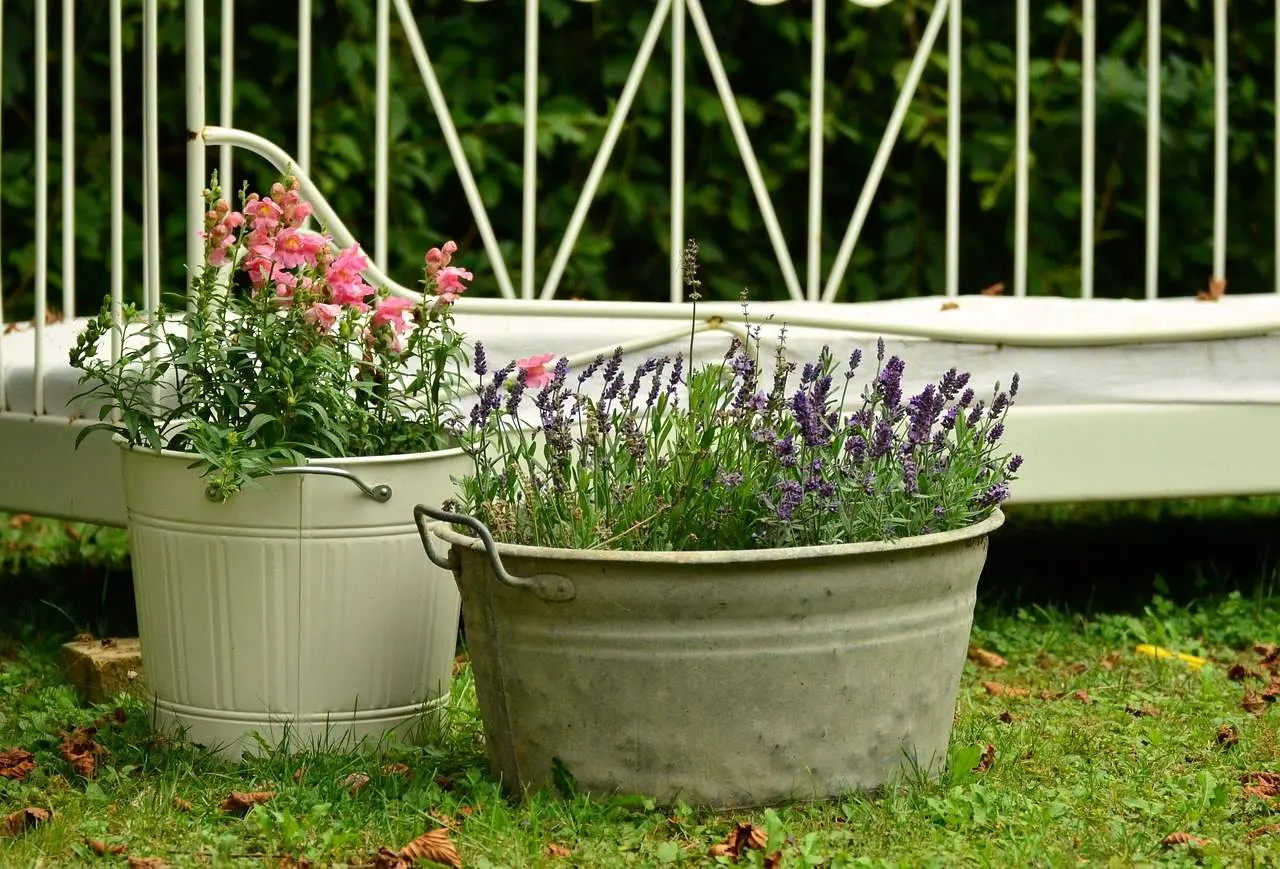
Pots suit herbs well because you can move them to the best light and keep them near the kitchen. Gardener’s Path calls most herbs robust plants that do not like to be fussed over, and says many tolerate drought once established.
Size the pot to the plant. The same guide offers a rule of thumb: choose pots at least one-third as tall as the mature plant and half to three-quarters of its mature width. For common thyme, that works out to a minimum of four inches tall by four to six inches wide, and larger herbs such as rosemary or sage need more room.
A few habits keep container herbs healthy:
- Use pots with drainage holes so water can drain away from the roots.
- Mix only plants with similar growing requirements in the same pot.
- Keep pots close to a water source, since containers dry out much faster than ground plants.
- Give mint its own pot, given its invasive tendency in beds.
Readers who want fruit alongside their pots can follow the guide on how to grow strawberries.
Watering, feeding and harvesting
The most common mistake is too much water. Harvest to Table warns that overwatering makes herbs lose flavor or fragrance and can kill them. A thorough weekly soak is typical, with more water in hot or windy weather or sandy soil.
Deep watering encourages roots to grow down, while light sprinkling keeps them shallow. Once established, most herbs do best in dry soil, though mint and lovage prefer moist soil, so group herbs with similar moisture needs. The guide on how to water a vegetable garden covers broader watering principles that also help here.
Feeding is rarely a big task, because most herbs do not require regular feeding. If you choose to fertilise or treat a pest problem, follow the product label and your local extension guidance. Herbs are seldom troubled by diseases or insect pests, and handpicking pests or rinsing them off with water is a first step.
Harvest little and often. University of Minnesota Extension guidance, republished by Fresh Fruit Portal, advises snipping sprigs and leaves as needed throughout the growing season.
Frequently asked questions
Can I grow herbs without a garden bed?
Show answer
Yes. Pots on a deck, patio or doorstep work, provided they get enough light and have holes for drainage. Gardener’s Path describes container herb gardens as among the easiest garden projects.
Why have my herbs lost their flavor?
Show answer
Excess water is a likely cause. Soggy soil dulls flavor and fragrance, so let the soil dry a little between waterings and check that pots drain freely. Harvest to Table notes that most established herbs prefer dry soil.
Should I plant mint straight into the ground?
Show answer
It is safer in a container. University of Minnesota Extension guidance notes that hardy perennials in the mint family can become invasive, especially mints.
Which herbs should a beginner try first?
Show answer
Pick the ones you will use in your own cooking, since you will harvest and care for them more often. Pairing herbs that share light and water needs makes upkeep simpler.