Standing in your yard and wondering, how much sun do vegetables need? Most want a solid half-day of direct light; fruiting crops want more, and leafy greens get by on less.
The wider picture of site, soil and planning sits in this guide to vegetable gardening for beginners.
| Crop group | Direct sun needed |
|---|---|
| Most vegetables | 6-8 hours of direct sun per day |
| Leafy greens | 3-4 hours of direct sun per day |
| Root crops | 5-6 hours of direct sun per day |
| Fruiting vegetables | 7-8 hours or more of direct sun |
| Leafy greens in cool climates | Closer to 5 hours of sun |
These figures come from an Ask Extension reply and The Gardening Cook’s sunlight chart. They can change, so check the source before you rely on them.
What counts as full sun, partial shade and full shade?
Gardeners usually describe light in three bands. Epic Gardening’s shade guide sets them out like this:
- Full sun: direct sunlight for 6 or more hours a day (Epic Gardening).
- Partial sun or partial shade: 3-6 hours of direct sun each day (Epic Gardening).
- Full shade: less than 3 hours of direct sun each day (Epic Gardening).
Partial sun and partial shade are not quite the same thing. The same guide says partial sun means direct sun for part of the day and shade for the rest, while partial shade means filtered or dappled light from trees or large plants.
Most vegetables sit toward the sunny end of the scale. Ask Extension says most vegetables thrive with 6-8 hours of direct sunlight per day, with 8 hours or more ideal, and The Gardening Cook agrees that most need at least 6-8 hours.
Sun needs by crop type
A handy rule from The Gardening Cook covers the basics: if you grow it for the fruit, it needs full sun, and if you grow it for the leaves, partial sun is enough. Fruiting vegetables also need more light than leafy ones.
Leafy greens
Leafy greens are the most forgiving group. Ask Extension says lettuce, spinach, Swiss chard, collards and endive can grow with as little as 3-4 hours of sun per day, though yields may be lower than in full sun. The Gardening Cook adds that leafy greens in a cool location grow better with closer to 5 hours.
Gardenary says lettuce, arugula and spinach will produce leaves with just 4 hours, but reach their full potential nearer 5 or 6 hours. Lettuce type matters as well: Garden Betty advises avoiding head lettuces such as Romaine, which take longer to mature and form smaller heads in low light.
Root and cool-season crops
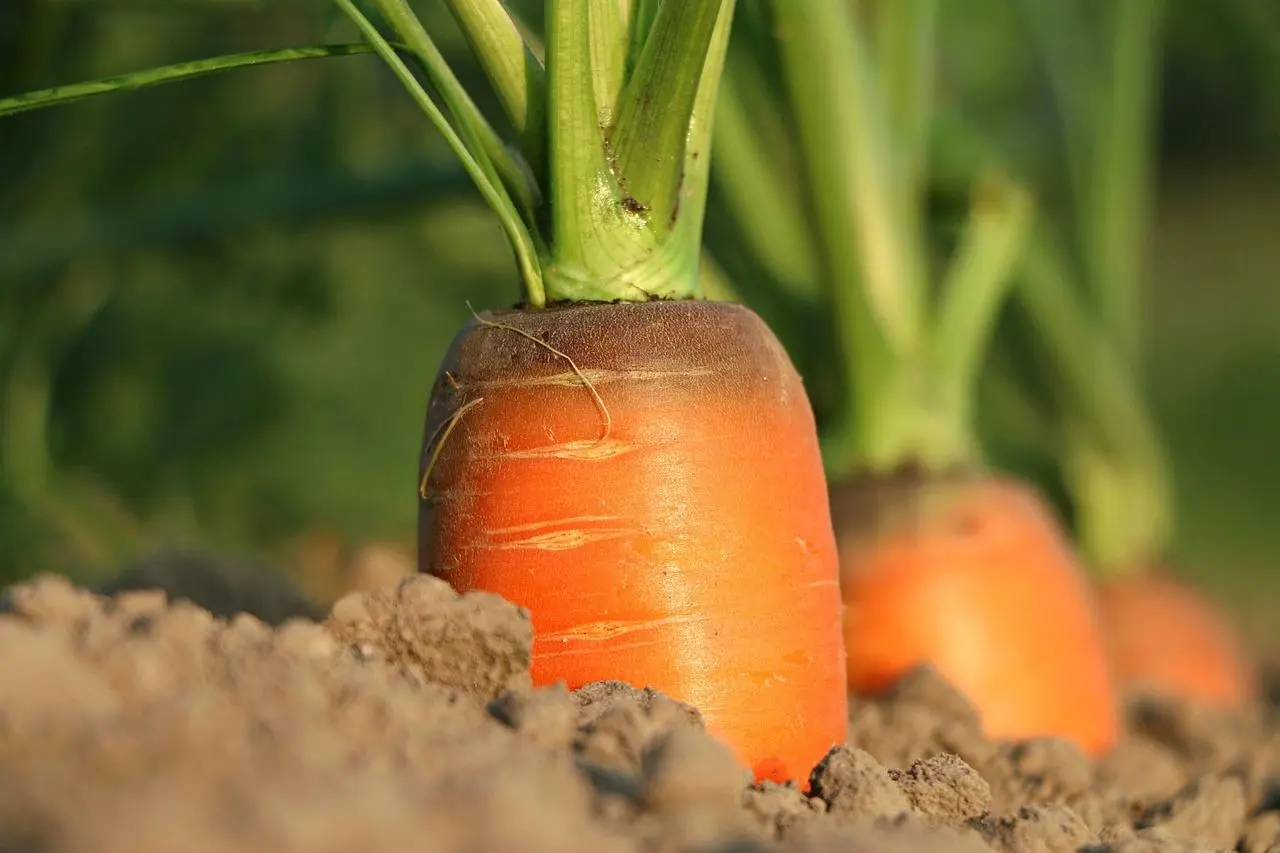
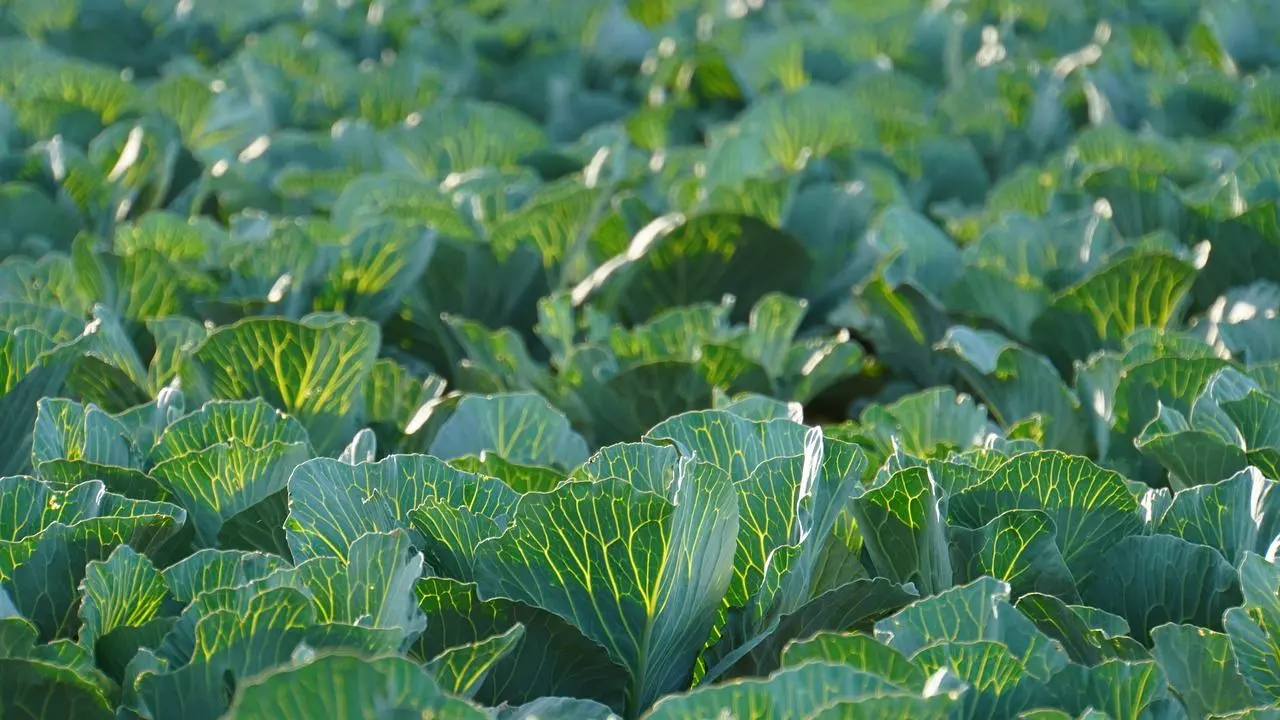
Root crops want a little more. Ask Extension puts carrots, radishes, beets, onions and potatoes at 5-6 hours of sun daily (source), while The Gardening Cook groups roots and cool-season crops such as cabbage, broccoli, cauliflower and Brussels sprouts at 4-6 hours (source).
Beets in particular tolerate some shade but grow better, and bigger, with more sun, according to Garden Betty.
Fruiting vegetables
Fruiting vegetables are the demanding ones. Ask Extension says tomatoes, peppers, squash, cucumbers and beans typically need 7-8 hours or more of direct sun for successful fruit development, while Garden Betty sets the bar higher, at least 8 to 10 hours for tomatoes, peppers, squash and cucumbers.
Published guidance differs a little, so aim for the top of the range if you want a full harvest from these crops.
How to measure the sun in your garden
Guessing is where most sun mistakes begin, so spend a day watching the spot. Epic Gardening suggests you check the planting area every hour or two from sunrise to sunset.
- Pick the exact spot, whether that is an in-ground bed, a raised bed or a container on a deck.
- Check it every hour or two from sunrise to sunset.
- Note when the sun first hits the area, when it is blocked for a short time, and when it is fully shaded.
- Add up the hours of direct sun and compare them with the crop groups above.
Repeat the check as the year moves on. Sun exposure changes throughout the seasons, so Epic Gardening says to measure during the growing season you plan to plant for.
An Ask Extension reply shows how the result plays out. A gardener with a tree line on one side and a house on the other sent photos, and the volunteer replied that it looked like 6 – 6.5 hours of sunlight, so leafy greens and root crops would do well while tomatoes, peppers and squash may struggle (Ask Extension).
What to grow when your garden gets less sun
Most plants will survive with less light than they would like, but they will not thrive, as Gardenary puts it. The practical fix is to match crops to the light you have rather than stretch the rules.
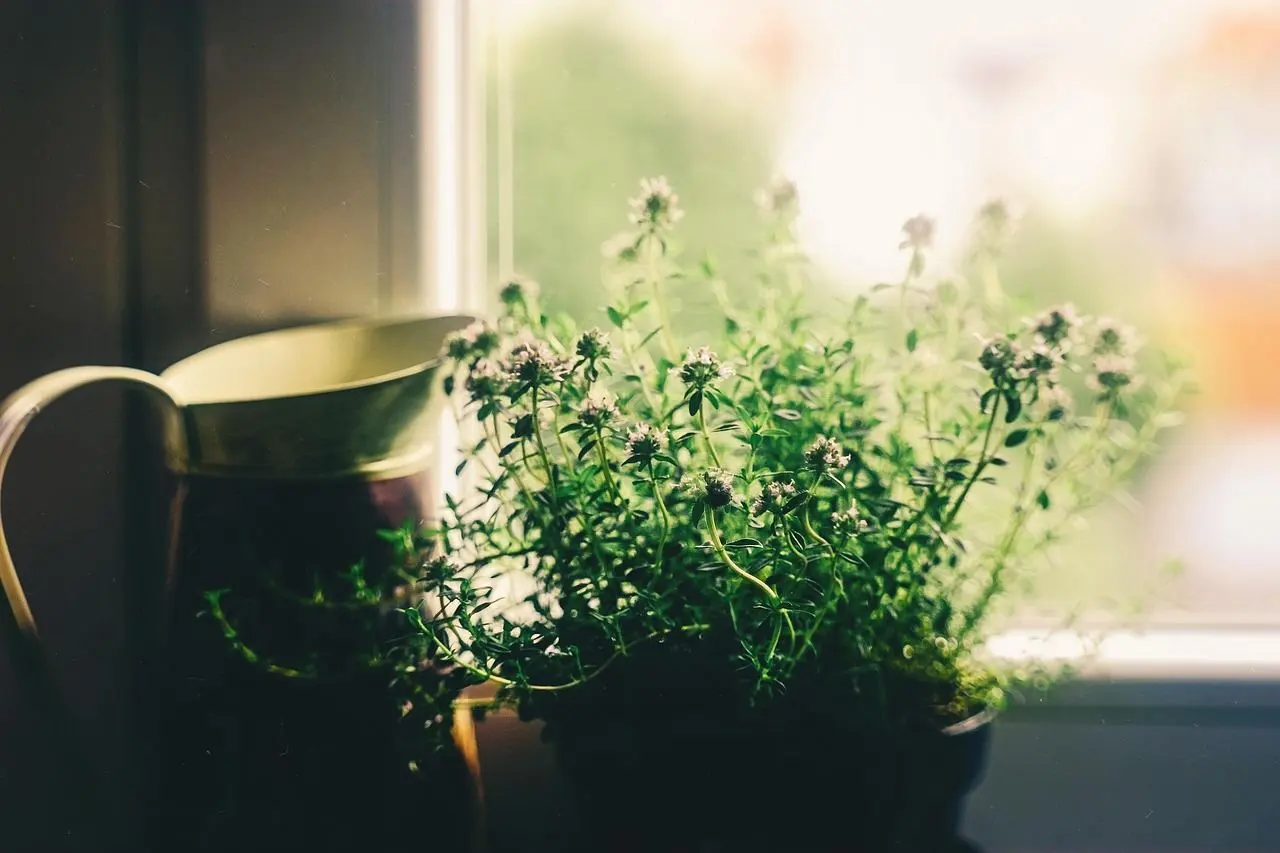
- Herbs for the dimmest spots: with only 2 to 4 hours of sun, Gardenary says to stick with herbs such as mint, chives, lemon balm, dill, cilantro and parsley (Gardenary).
- Salad greens: Garden Betty says salad greens and herbs do exceptionally well with only 2 to 4 hours of sun a day (Garden Betty).
- Bush beans: they are one of the very few fruiting vegetables Garden Betty says can be grown in partial shade, because the plants stay compact.
- Cool-climate determinate tomatoes: Garden Betty names some adapted varieties, such as Oregon Spring and Glacier, that grow with as little as 5 to 6 hours of light (Garden Betty).
Full shade is a different story. Garden Betty describes growing vegetables in a garden with little to no direct sunlight as exceedingly difficult, if not impossible.
Watch the plants for clues. Gardenary says herbs that are short on light turn leggy and spindly, and their new leaves look stunted next to older ones.
If the bed itself is too dim, move the plants instead. Ask Extension suggests containers such as pots or grow bags, placed on a porch, patio or driveway that gets more sunlight (source).
You can also tuck lettuce, basil, chives and radishes under tall tomato plants, which Epic Gardening says can shield them from the heat and too much sun.
If you want a short list of forgiving crops to build around, this guide to easy vegetables to grow for beginners is a good next stop.
Climate and heat change the answer
Where you live shifts the numbers. The Gardening Cook notes that colder climates need more sun than gardens in the deep South.
Heat matters for leafy crops too. Gardenary says that on warmer days many of them actually prefer a bit of afternoon shade, which you can use to your advantage.
Light and moisture work as a pair, so once you have picked your spot, read up on how to water a vegetable garden.
Frequently asked questions
Can tomatoes ripen in partial shade?
Show answer
Standard varieties usually disappoint there. Garden Betty warns that even dappled shade will significantly slow growth and cut yield, possibly to nothing, so a brighter site or a movable pot is the better bet.
Are there vegetables that love shade?
Show answer
Not really. The Gardening Cook points out that some vegetables tolerate shade, but none truly prefer it.
Is morning or afternoon sun better?
Show answer
Epic Gardening calls southern exposure ideal for most sun-loving vegetables, since light lasts most of the day while the strongest afternoon sun is avoided. It adds that many crops can also tolerate a western-facing exposure.
Which crops are the safest bet if I am unsure about my light?
Show answer
Start with leafy greens. The Gardening Cook’s shade list includes arugula, kale, spinach, lettuce, bok choy, mustard greens and scallions (source).