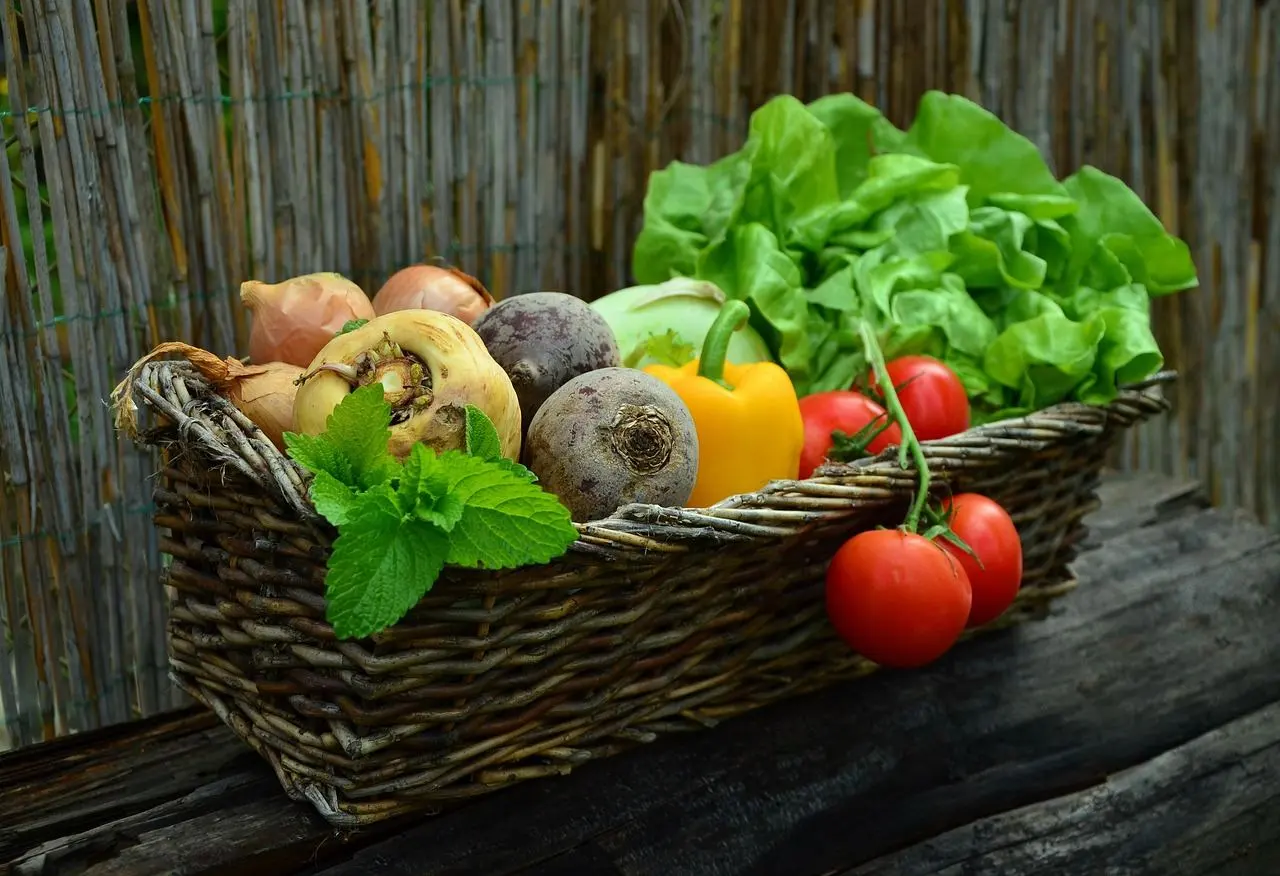
Starting your first garden and worried it’ll flop? The easy vegetables to grow for beginners are tomatoes, peppers, green beans, potatoes and zucchini, plus quick salad crops like lettuce and radishes.
This page is one part of the wider guide to vegetable gardening for beginners, which covers planning a whole plot.
| Item | Value |
|---|---|
| Direct sun per day | 6 hours minimum, 8-10 hours ideal |
| Water per week | At least 1 inch of rain or irrigation |
| Tomato spacing | About 2 feet apart |
| Green bean seed spacing | 3-4 inches apart in rows |
| Potato seed pieces | 4 inches deep, 1 foot apart |
| Zucchini hill spacing | 3-4 feet apart |
These figures come from Iowa State Extension’s easy-vegetables guide and Nebraska Extension’s beginner guide. They can change, so check the source before you rely on them.
What makes a vegetable easy to grow?
Iowa State Extension says the easiest vegetables are reliably productive with minimal effort in fairly limited spaces, according to its five easy vegetables page. They also tend to be popular staples in the kitchen.
The same page admits its list is somewhat subjective and based on what novice gardeners have been observed to grow well. Treat it as a sensible starting point, not a rulebook.
One more rule of thumb comes from the university’s easy vegetables FAQ: select vegetables you are most likely to eat, because you are more likely to keep them properly maintained. A crop you never cook is the first one you will neglect.
Five reliable first crops
Iowa State’s shortlist for new growers has five names:
- Tomatoes
- Peppers
- Green beans
- Potatoes
- Zucchini
Planting dates below are for Iowa, so adjust them to your own climate and local extension advice. The details are from the Iowa State guide.
Tomatoes
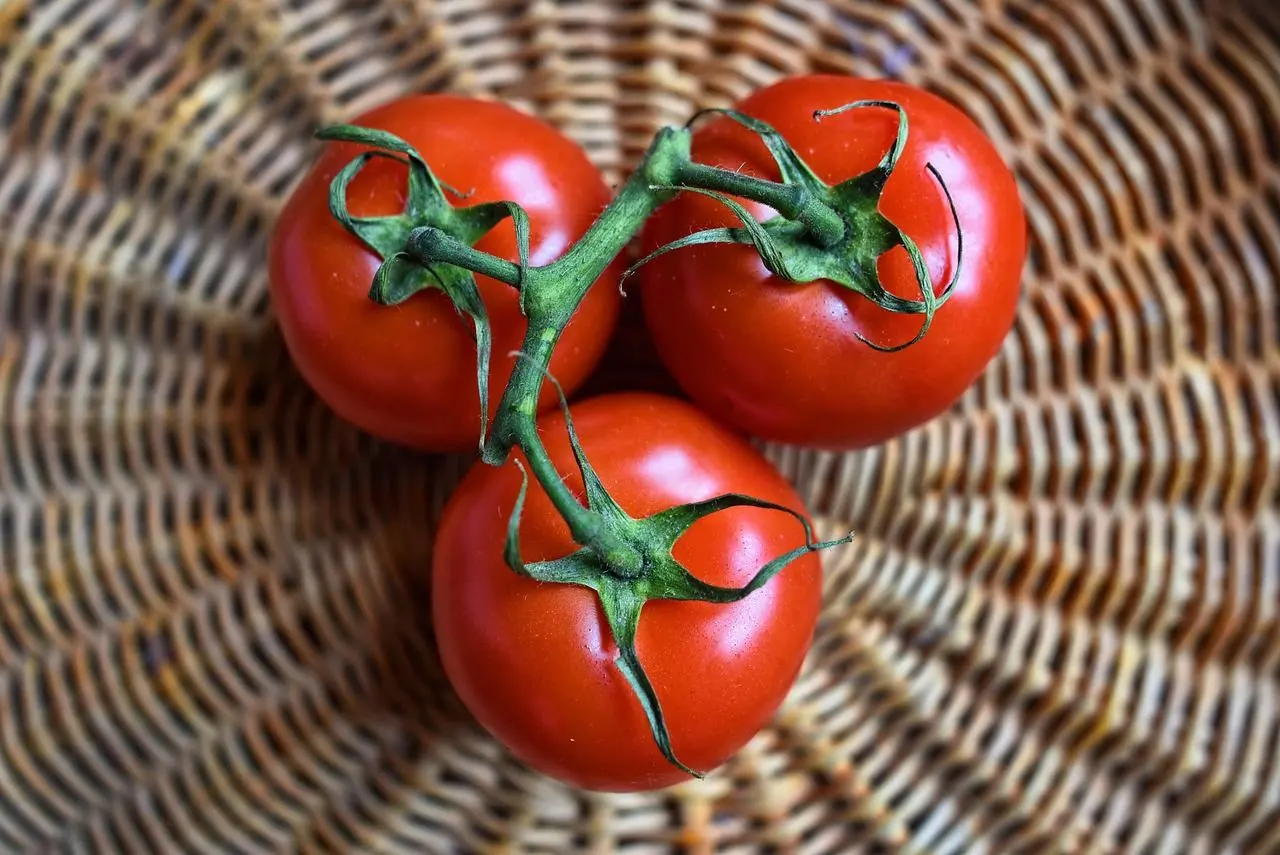
Tomatoes are described as the most popular home garden vegetable. They are grown as transplants, either started indoors from seed several weeks before planting out or bought from garden centers.
Plant them approximately 2 feet apart, then stake or cage them. Support makes harvesting easier and keeps fruit off the soil, where it is more prone to rotting, as the Iowa State guide explains.
Choose by purpose: a processing type like Roma for sauces, a beefsteak for slicing, or a cherry or grape type for salads.
Peppers
Peppers come in sweet, mild and hot types, and in red, yellow, orange or green. Bell peppers are a sweet type, often picked green and immature.
Iowa State suggests planting bell pepper transplants outdoors from mid-May at 1.5 to 2 feet apart, and giving them small supports because the fruit can be heavy. Left on the plant a few more weeks, the fruit turns red, yellow, orange or even purple, per the same page.
Green beans
Green beans are called one of the easiest vegetables to grow. Bush types need no support, while pole types need a trellis.
Sow seed directly in the ground, 3-4 inches apart in rows, every two weeks from mid-May to late June for a continual harvest, according to Iowa State. Pick the pods every couple of days when they are about pencil diameter.
Potatoes
Potatoes are grown from seed pieces, which are cut-up sections of tubers or small whole potatoes. The Iowa State guide plants them 4 inches deep and 1 foot apart in spring.
Harvest young for new potatoes, or wait until the plant tops turn brown and die. Cure the crop in a warm, well-ventilated place so the skins thicken and the tubers store longer.
Zucchini
Zucchini is a summer squash grown from seed. Three or four seeds go together in each “hill”, with hills spaced 3-4 feet apart, per Iowa State Extension.
Gardeners often plant one or two extra hills in case one fails to insects or disease. The trick is picking every couple of days while the squash are small, because they quickly turn large and seedy.
Fast crops and container options
Nebraska Extension names carrots, radishes, beans, peas and salad greens such as lettuce, arugula, mesclun and sorrel among the easiest vegetables to grow, in its beginner guide. Iowa State adds leaf lettuce, kale, sweet corn, winter squash, radish, basil and cilantro to its wider list of relatively easy crops.
Short on space? Nebraska Extension says many vegetables can grow in containers on a patio, deck, balcony or kitchen doorstep. It also recommends the biggest container your spot allows and plants labeled bush-type or compact, as covered by the Nebraska page.
Fun varieties help with children, too. The Nebraska guide mentions ‘Purple Haze’ carrots and ‘Easter Egg’ radishes as unusual colors that can make gardening more enjoyable for kids.
Sun, water and soil basics
Iowa State says all vegetables prefer full sun and well-drained soils, in the easy vegetables FAQ. Nebraska Extension gives numbers: a minimum of 6 hours of direct sunlight each day, with 8-10 hours ideal, as the Nebraska guide puts it.
If you are unsure whether a spot qualifies, read this explainer on how much sun do vegetables need before you commit to a bed.
Nebraska also advises avoiding low spots and the base of a slope. Such areas are slow to warm up in spring and may stay too wet in rainy periods.
Once plants are in, a few weekly habits matter, based on the Iowa State guide:
- Give vegetables at least 1 inch of rainfall or irrigation a week.
- Weed regularly so weeds do not compete for light, water and nutrients.
- Rotate crops to a new site each year, since most vegetables then have fewer disease problems.
Timing and a steady harvest
Nebraska Extension advises paying attention to soil temperature and waiting until your crop’s preferred temperature is reached. It notes that peas are a cool-season crop planted in early spring when soil temperatures are between 40 and 75°F. Peppers need 60 to 85°F soil temperature, according to the Nebraska page.
A garden space can be used more than once in a season. In the Nebraska example, an early crop is planted and harvested, then the area is cleared and replanted for a second harvest. Quick-maturing crops like radishes, green onions and lettuce suit staggered sowings, and you can read more on the Nebraska Extension article.
When the basics feel comfortable, take a look at companion planting vegetables to see how crops are paired in the same bed.
Frequently asked questions
Which vegetable should I try first?
Show answer
Bush green beans are a forgiving choice. Iowa State Extension lists green beans as one of the easiest vegetables, and bush types skip the trellis, as the Iowa State guide shows.
Can I grow vegetables without a garden bed?
Show answer
Yes. Nebraska Extension says a container garden can sit on a patio, deck, balcony or by the kitchen door, which helps if you lack ground space, according to its beginner article.
How much water do vegetables need?
Show answer
Aim for a floor of 1 inch a week from rain plus watering, based on the Iowa State FAQ. Local weather varies, so follow your own extension office’s advice.
Do I have to plant everything at once?
Show answer
No. Nebraska Extension says that sowing a little seed every 7 to 10 days can give a continuous harvest, which avoids a feast-or-famine pattern. The advice is in its vegetable gardening for beginners article.
Why is zucchini picked so often?
Show answer
Zucchini grows fast and quickly becomes oversized if left. Iowa State recommends frequent picking while the fruit is small and immature, per its five easy vegetables guide.